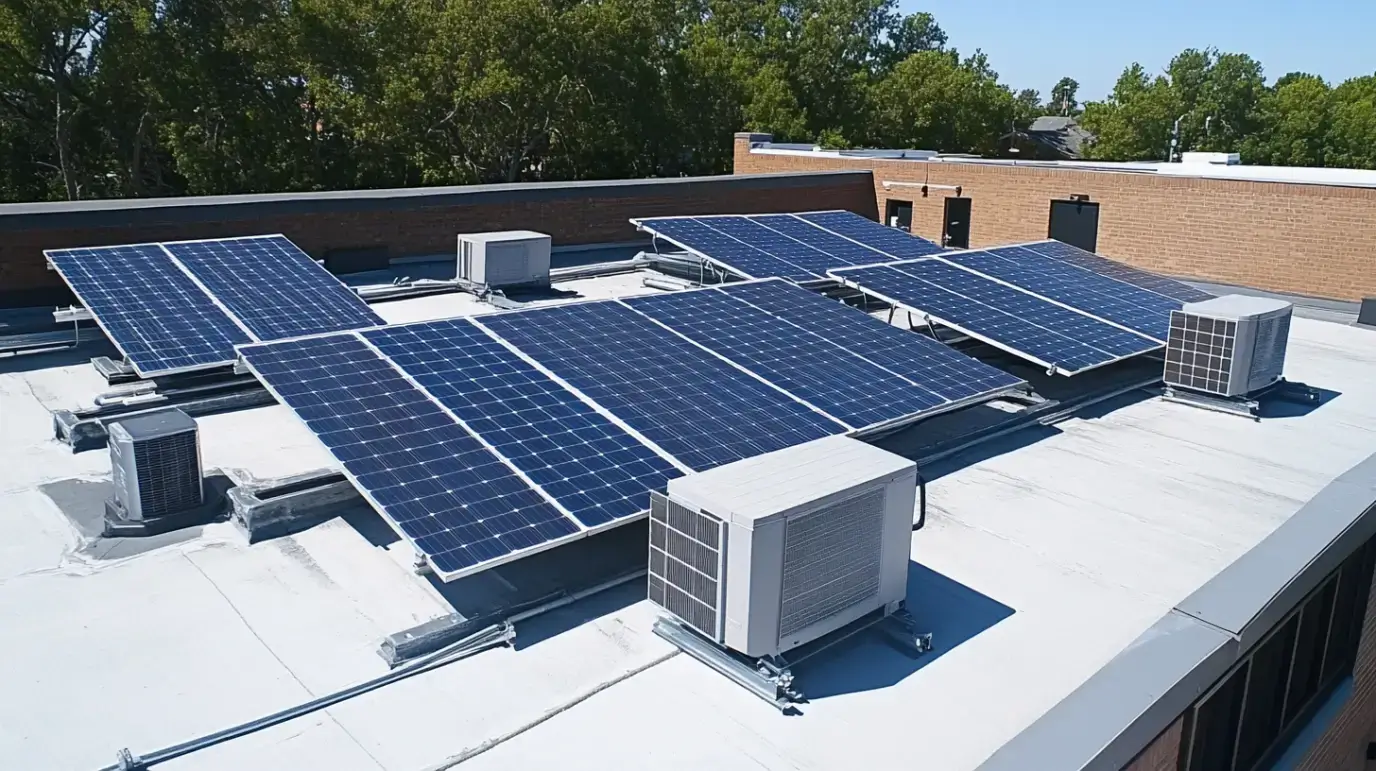
When you add equipment like HVAC systems or solar panels to your roof, it’s important to consider the impact on its lifespan. This rooftop equipment plays a critical role in your building’s function, but it can also affect the life of your roof. For both residential and commercial roofs in San Diego, understanding this relationship is key to preventing costly repairs and ensuring long-term performance. Working with experts like San Diego County Roofing & Solar can help you navigate these challenges effectively.
Understanding Rooftop Equipment and Roof Longevity
Rooftop units, including HVAC systems and solar panels, add weight and create penetrations in your roof structure. Without proper planning, this can strain your roof membrane, leading to weak spots and potential water intrusion. At San Diego County Roofing & Solar, we know how to manage these factors to protect your investment. Properly installed equipment can actually enhance your property’s energy efficiency. However, the installation quality is crucial. An incorrect setup can reduce your roof’s lifespan and create problems down the line. Our team, with over 30 years of experience, ensures every project balances performance with roof protection.
Impact of HVAC Units on Roof Structure and Lifespan
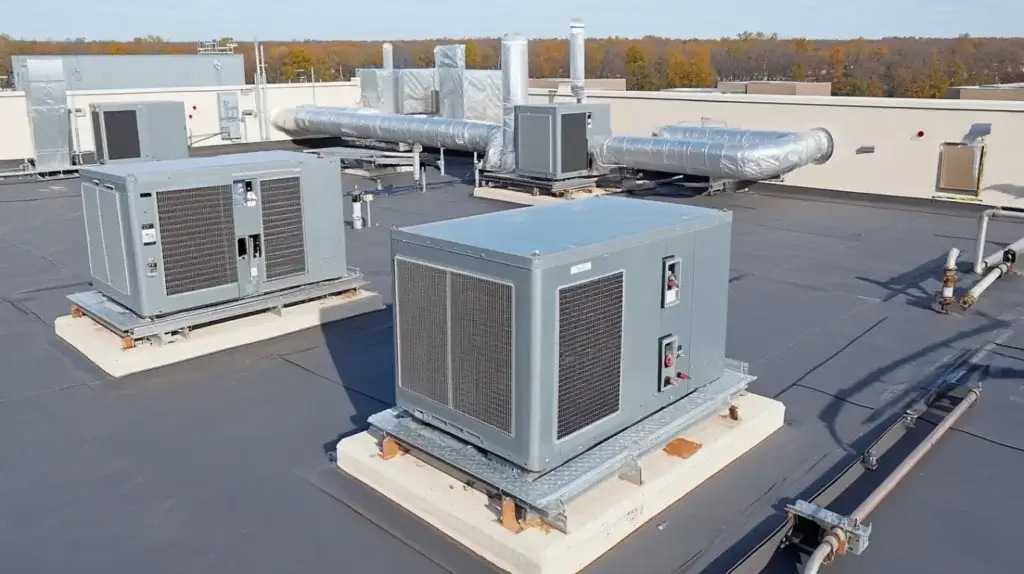
HVAC units are heavy and can strain your roof. Without proper support, their weight and vibrations may lead to cracks or serious structural issues, endangering your building. A professional assessment is essential. Poor HVAC integration also increases energy costs. Air leaks or thermal bridges force your system to work harder, raising utility bills and causing premature equipment wear. Regular maintenance is crucial for roofs with HVAC units. Routine inspections catch problems early and prevent costly damage. As a GAF Master Elite Contractor, we ensure your roof and HVAC system perform their best for years to come.
Effects of Solar Panel Installations on Roof Durability
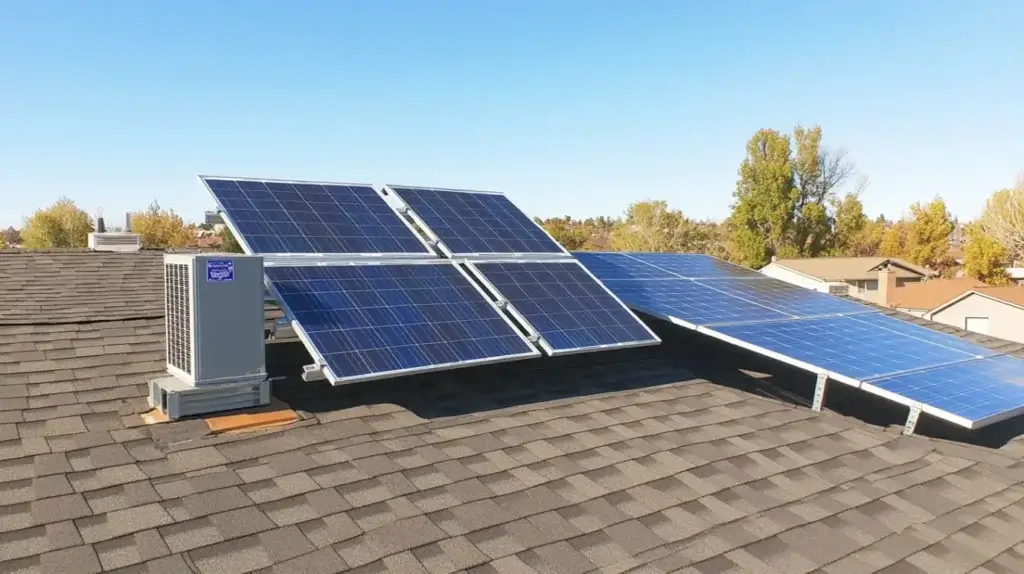
Solar panel systems can impact roof durability, making it important for property owners to consider key factors. Improper installation may create weak spots vulnerable to moisture, threatening the roofing membrane’s integrity. Poor ventilation can also raise temperatures and accelerate roof wear. Additionally, solar panel placement can limit access for routine inspections, allowing minor issues to develop into major, costly damage. Understanding these implications is essential for preserving commercial roofs and maintaining energy efficiency. Careful installation and ongoing maintenance are crucial for long-term roof performance.
Risks Associated with Heavy Rooftop Installations
Placing heavy rooftop equipment without proper precautions poses serious risks, including structural damage like sagging or cracking—especially on older roofs. It can also lead to leaks and moisture issues by creating new entry points for water. For commercial roofing in San Diego, CA, these risks are greater due to larger equipment sizes. A comprehensive roof inspection is essential to assess condition and load capacity before installation. At San Diego County Roofing & Solar, our experts ensure every installation is carefully planned to prevent these problems.
Common HVAC-Related Threats to Roofing Materials
Rooftop HVAC systems can pose significant risks to roofing materials and reduce their lifespan. Poor installation and maintenance often cause ventilation and moisture issues, leading to water intrusion and mold growth that weaken the roofing membrane. The weight of HVAC units may also create weak spots, especially on flat roofs prone to water pooling. Regular roof inspections and maintenance are essential to catch minor problems early. Understanding these HVAC-related risks helps extend your roof’s life and prevent costly repairs.
How Solar Panels Can Compromise Roof Integrity
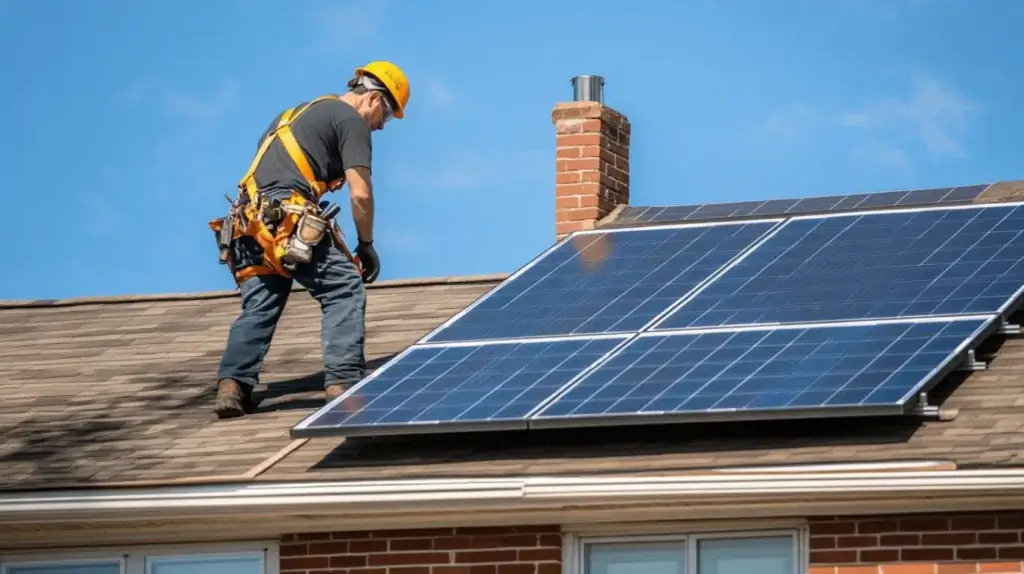
Installing solar panels can pose risks to your roof’s integrity. Drilling and modifying the roofing membrane may create points for water intrusion if not done precisely. Poor sealing or moisture management can lead to leaks, mold growth, and structural damage. Additionally, the weight of solar panels stresses the roof—especially older ones with uncertain load capacity—which can accelerate wear and require expensive repairs or replacement. Property owners should consult experienced roofing contractors to ensure proper installation and protect roof longevity.
The Importance of Equipment Supports for Roof Protection
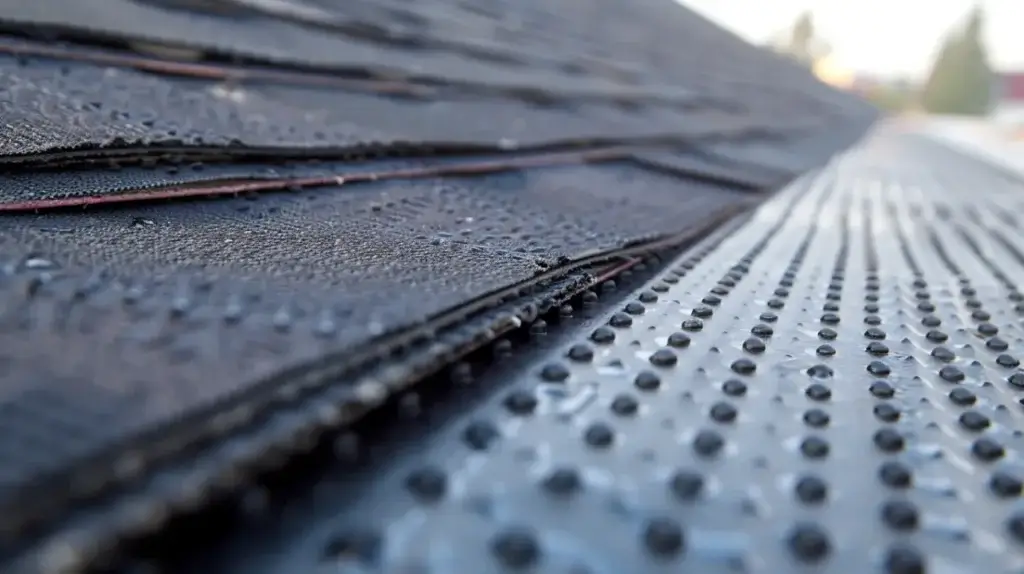
Proper equipment supports are essential for roof protection during rooftop installations. They effectively distribute the weight of units like HVAC systems and solar panels evenly across the roof surface, which helps prevent stress, sagging, and potential damage. Elevating equipment not only allows for better water drainage, reducing the risk of leaks and pooling, but also facilitates easier maintenance access and protects the roof from excessive foot traffic, ensuring long-term durability and performance.
How Proper Installation Minimizes Roof Damage
Proper installation is the most important factor in preventing roof damage from rooftop equipment. Experienced professionals ensure all penetrations are sealed and weight is properly supported, protecting your roof from leaks and premature wear. Hiring a certified contractor like San Diego County Roofing & Solar, a GAF Master Elite Contractor, guarantees installation meets top industry standards. This protects your roof and preserves manufacturer warranties for both your equipment and roofing materials. Improper installation can void these warranties, making you liable for repairs. Trust our expert team to handle every detail, safeguard your investment, and give you peace of mind.
Selecting the Right Roofing Materials for HVAC
Choosing the right roofing material is crucial when installing HVAC or solar equipment. Some materials handle weight, penetrations, and foot traffic better than others. The right choice boosts durability and energy efficiency, reducing the risk of early roof replacement. Consider your roof’s current condition—replacing an old roof before installation may be more cost-effective than risking future damage. Our team can help you evaluate your options and find the best solution for your San Diego property.
Material Recommendations for Maximizing Roof Longevity
Choosing the right roofing material is essential for roof longevity, especially with rooftop HVAC systems and solar panels. For maximum durability, opt for high-performance materials like PVC or TPO, which offer strong resistance to UV rays and water intrusion. These membranes endure extreme heat and storms, reducing the risk of major damage. Adding thermal insulation boosts energy efficiency and minimizes thermal bridging—key for commercial roofs. Regular maintenance and inspections by a qualified contractor help catch minor issues before they become costly repairs. Proper installation and quality materials will extend your roof’s lifespan and protect your building effectively.
What’s Next
Understanding how HVAC and solar installations affect roof longevity is crucial for San Diego homeowners looking to maintain their property. Proper installation techniques and selecting high-quality materials suited to the local climate are essential to protect your investment and significantly extend your roof’s life. Trust San Diego County Roofing & Solar—a GAF Master Elite Contractor with over 30 years of experience—for reliable and effective roofing solutions. Contact us today for a free consultation and safeguard your home for the long term.
Read our blog: Dry Season Advantage: Why Summer Is a Smart Time for Roof Replacement in San Diego
Frequently Asked Questions
How often should roofs with solar or HVAC systems be inspected?
We recommend a professional roof inspection at least once a year. Regular maintenance for roofs with HVAC systems or a solar panel helps catch potential roof damage early, preventing leaks and costly repairs while ensuring your systems function efficiently.
What should I consider before installing rooftop equipment?
Before installation, consider your roof’s age, structural integrity, and material type. It’s crucial to hire a qualified roofing contractor who understands how to manage the installation process to minimize the risk of leaks and protect your roof’s structure.
Let’s get started on your roofing project!