
Professional Roof Inspection San Diego, CA
San Diego County Roofing & Solar provides professional roof inspection services for homeowners, property managers, buyers, and building owners across San Diego, CA. A detailed inspection explains the roof’s condition, reveals hidden problems, and supports informed decisions before small concerns become costly repairs.
Every San Diego roof inspection is completed by trained roofing specialists who understand local weather, roofing materials, and common leak points. Our inspection process combines a visual inspection, accessible interior checks, photo documentation, and a clear report.
Contact San Diego County Roofing & Solar to schedule a roof inspection in San Diego and receive reliable findings without hidden fees.

Why Roof Inspections Matter in San Diego
San Diego roofs face intense UV exposure, coastal moisture, salt air, wind, debris, and a concentrated rainy season. These conditions can weaken materials, corrode metal components, and create moisture intrusion even when the roof looks normal from the ground.
Regular inspections identify small problems before they affect the attic, insulation, ceilings, or interior walls. They also create documentation for maintenance planning and help estimate the roof’s life expectancy.
Let’s get started on your roofing project!
To get started with a free estimate and consultation, fill out the form below.




Local Climate Stressors We Check
UV and Heat Exposure
Year-round sun can make asphalt shingles brittle, fade synthetic roofing, and accelerate aging. Inspectors evaluate visible aging in relation to the material type, installation details, exposure, ventilation, and maintenance history.
Coastal Moisture and Salt Air
Coastal properties may develop corrosion around flashing, fasteners, vents, and other metal components. Trapped moisture can create rust, staining, or hidden deterioration.
Rain, Wind, and Storm Damage
Homeowners should schedule an inspection after storms. Wind can shift shingles or tile, while rain may expose weak transitions, blocked drainage, and existing leaks.

Roofing Materials and Surface Condition
We assess materials for age, wear, cracking, movement, impact marks, and UV damage. The evaluation may include asphalt shingles, tile roofing, and synthetic materials such as imitation slate or rubber.
Tile roofs can hide issues despite intact surfaces. Tile roofing often outlasts its underlayment, making professional inspection important when water stains or unexplained moisture appear.
Flashing and Common Leak Points
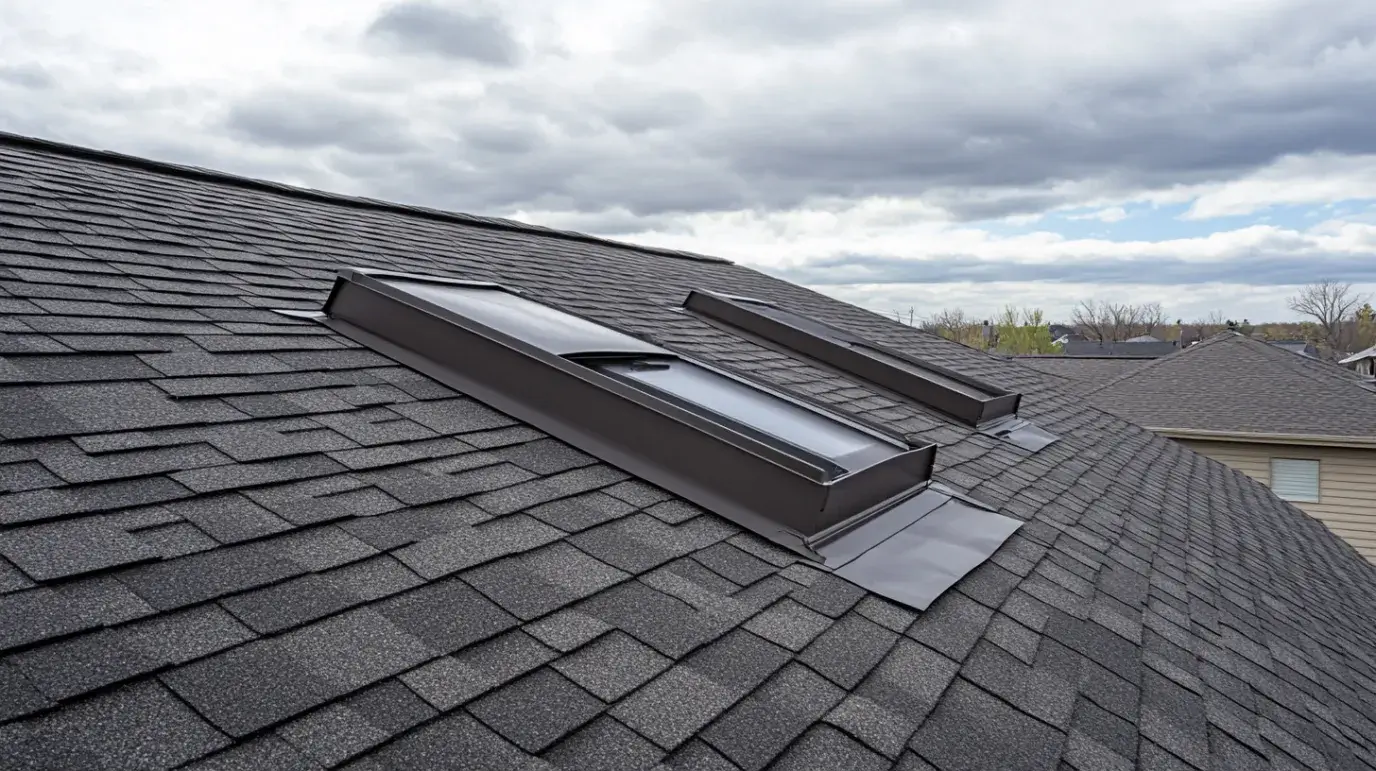
Flashing is a common source of roof leaks in San Diego. Inspectors check transitions around walls, roof edges, valleys, penetrations, and other vulnerable intersections where water may enter.
We also look for corrosion, separation, lifted edges, failed sealants, and improper overlaps—details homeowners may not identify safely.
Drainage, Gutters, and Water Flow
Inspectors evaluate drainage systems to ensure efficient water flow. Gutters, roof channels, scuppers, drains, and low areas can collect debris or hold water when they are blocked, damaged, or poorly aligned.
Standing water and slow runoff increase moisture exposure. A roof inspector also looks for staining, overflow evidence, and areas where runoff may affect the building.
Attic and Interior Indicators
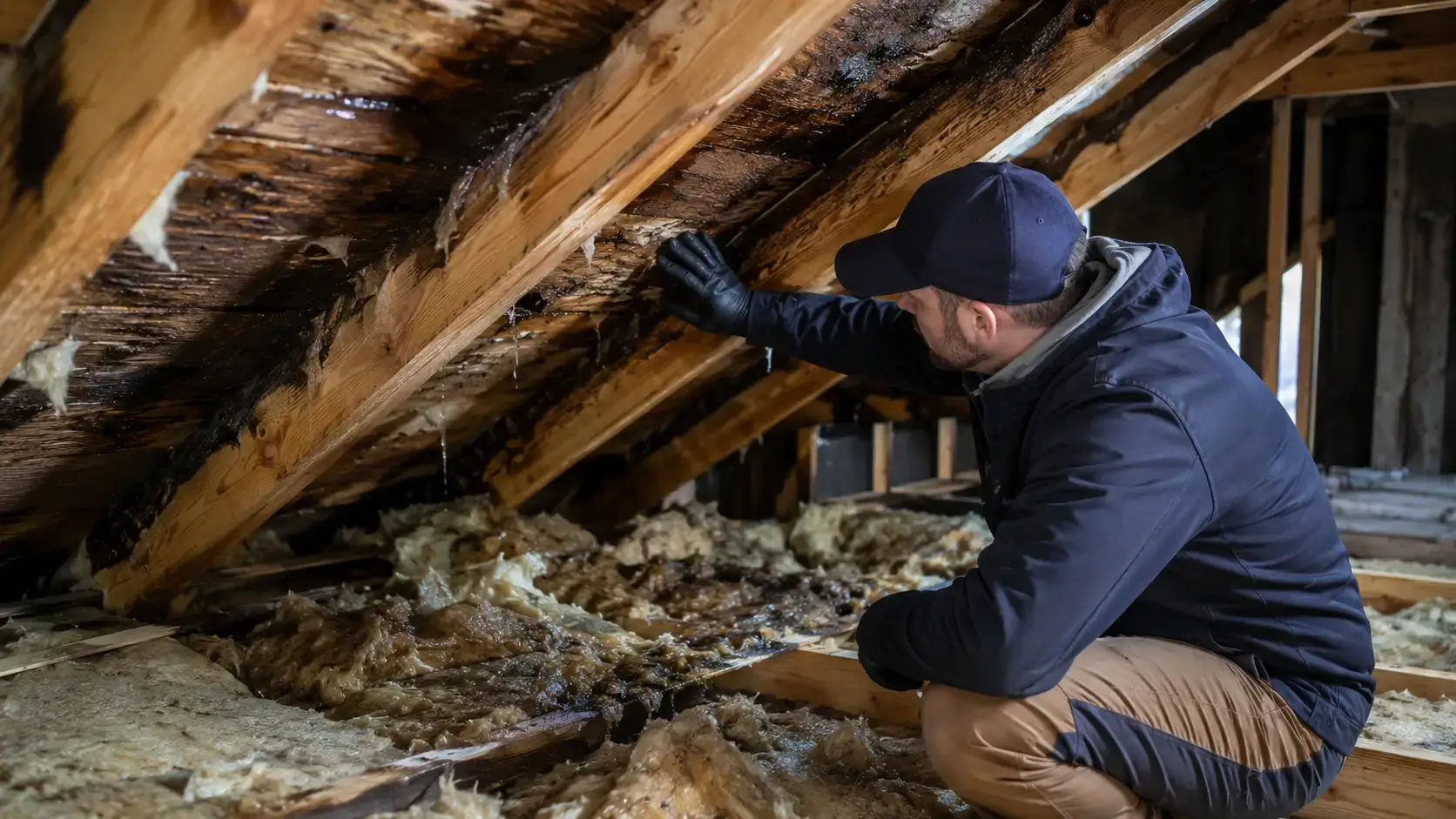
When accessible, the inspection may review the attic, insulation, decking, and interior surfaces for moisture, mold-like staining, rust, wet insulation, daylight, and leak evidence.
Ceiling marks, peeling paint, odors, or water stains may help inspectors trace a hidden source. A leak does not always appear directly below its entry point.
Residential Roof Inspections
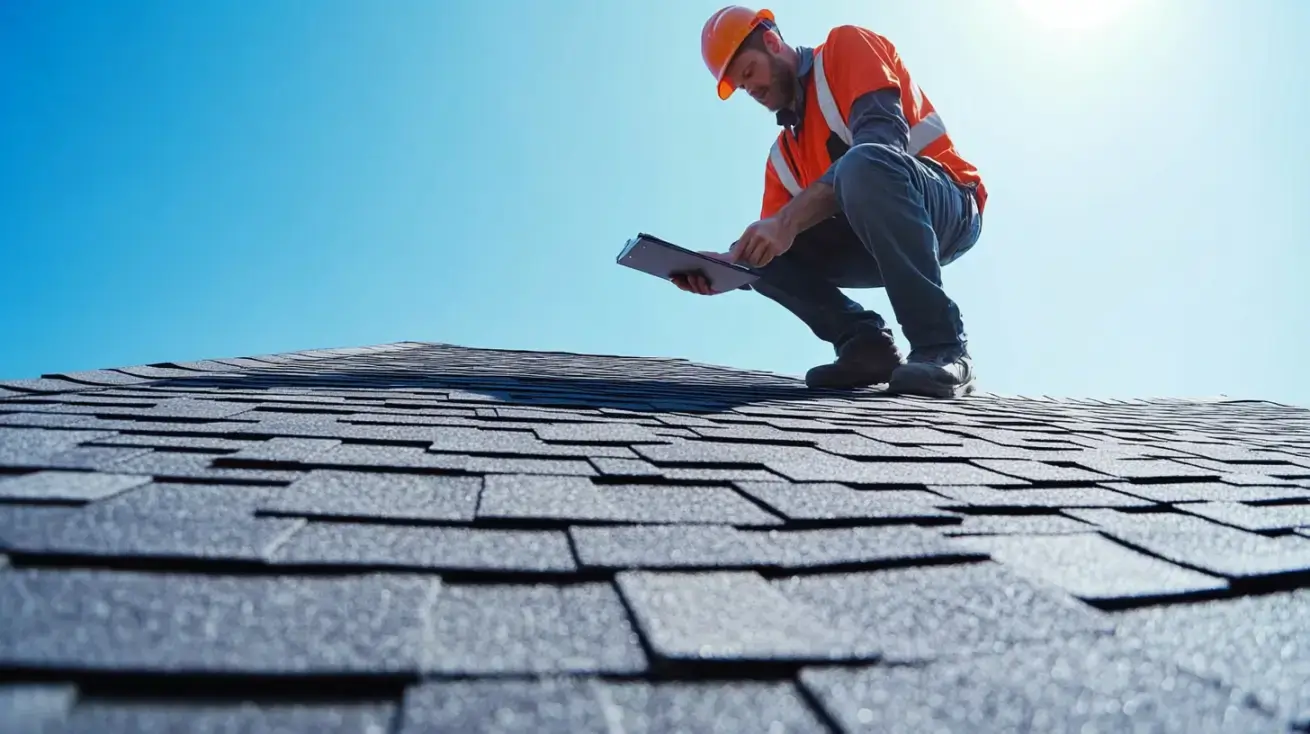
Residential roof inspections clarify aging, weather exposure, and leak risks. A residential inspection is useful for routine planning, after a storm, before an insurance claim, or when purchasing a house.
San Diego property owners often schedule annual inspections to establish a record. Regular evaluations can identify maintenance needs before localized deterioration spreads to other parts of the roofing system.
Commercial Inspections
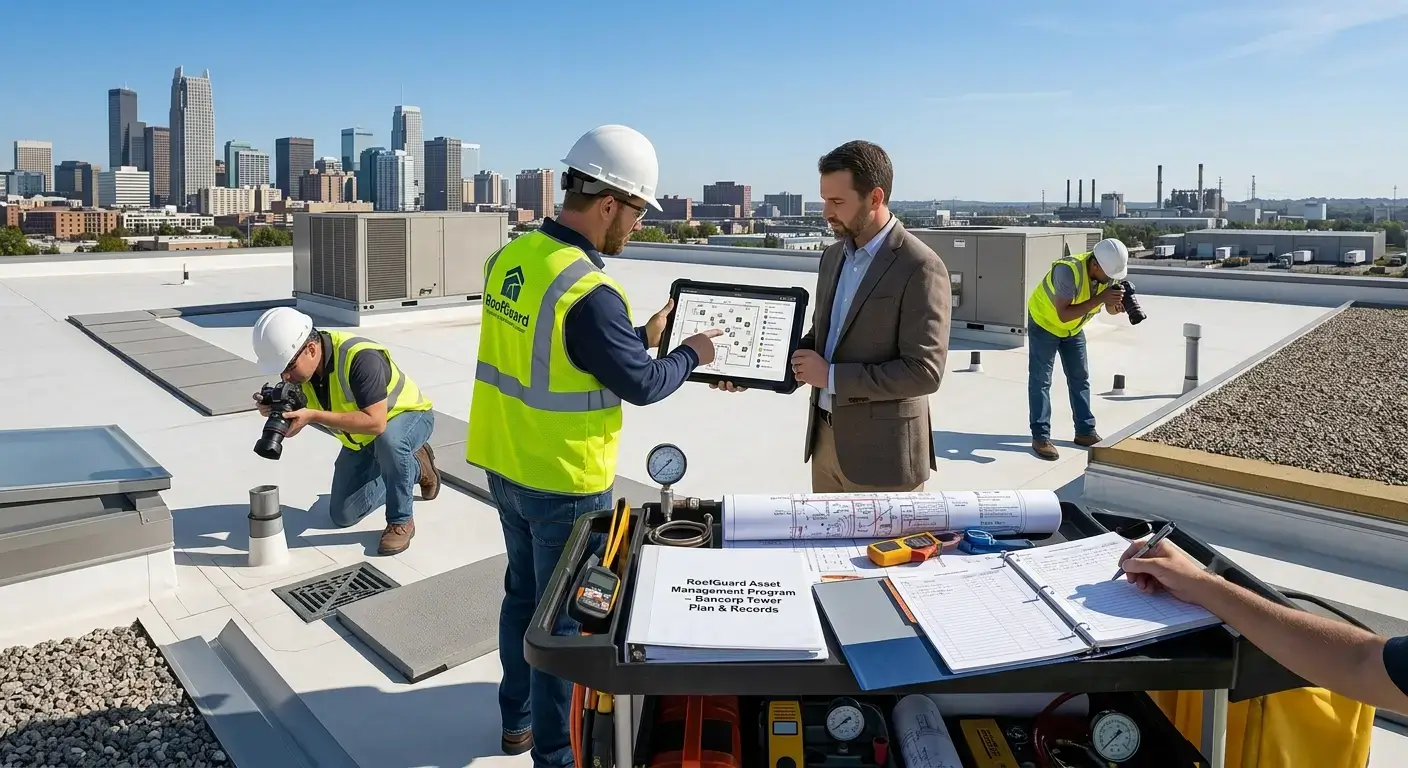
Commercial inspections require an approach suited to the building’s design, access, drainage layout, and roof area. Commercial roofs often have distinct traffic patterns, penetrations, and water-flow challenges.
Commercial roof inspections should occur at least annually. Property managers can use the report, pictures, and recommendations to track changes and plan decisions.

Inspections for Property Purchases
A general property inspection may not provide the same roofing detail as a dedicated professional inspection. Buyers need clear information about age, defects, moisture indicators, and overall condition before purchasing.
Our inspection report helps buyers, sellers, and homeowners understand observed conditions. It provides focused roof documentation without making insurance or warranty decisions.
PHONE | TEXT
WORKING HOURS
Sat-San Closed

When to Schedule a Roof Inspection
Annual Inspection
Many owners schedule an annual assessment, while older roofs, commercial properties, and buildings with recurring drainage concerns may require more frequent evaluations. A yearly review creates a baseline and tracks changes before expensive repairs become more likely.
Twice-Yearly Checkups
Regular maintenance commonly includes roof inspections twice a year: one before the rainy season and another after stronger weather or heavy debris.
After a Storm
Inspections are crucial after significant weather events in San Diego. Wind, branches, and driven rain can affect shingles, tile, flashing, or drainage without obvious yard-level signs.
When Leaks or Stains Appear
Schedule an inspection when you notice leaks, ceiling stains, damp insulation, corrosion, mold, or odors. Early findings help you respond before the problem spreads.
Before Filing an Insurance Claim
A professional inspection can provide photos and an objective description of visible storm damage. The insurer decides coverage, but organized findings help owners understand what to report.
How Long Does a Roof Inspection Take?
Roof inspections typically take 30 to 120 minutes, depending on size, slope, materials, access, weather, and whether the attic or interior is reviewed.
A small residential property may be completed quickly. A large commercial building, multi-level house, or complex roofing system may require more time.
Our Inspection Process
Step 1: Property and Concern Review
We begin by discussing roof age, known leaks, storm exposure, purchasing concerns, and areas the owner wants us to inspect.
Step 2: Exterior Visual Inspection
Proper maintenance can help TPO, EPDM, metal, and coated roofing systems perform longer. We help clients maintain the roof with clear reports and practical repair recommendations.
Step 3: Interior Review
When accessible, inspectors check attic and interior indicators such as moisture, insulation changes, rust, staining, and ceiling conditions.
Step 4: Photos and Documentation
Photo documentation is included in professional roof inspections. Images connect each finding to a specific location.
Step 5: Inspection Report and Recommendations
You receive an inspection report summarizing the roof’s condition, concerns, pictures, and prioritized recommendations so you can make informed decisions.
Why Choose San Diego County Roofing & Solar
San Diego County Roofing & Solar brings local knowledge and specialized training to every inspection we perform for San Diego property owners. Our inspectors understand how Southern California sun, coastal air, rain, wind, and aging affect local roofs.
We focus on accurate observations, safety, clear communication, and useful documentation—not vague statements or pressure.
A qualified roofing contractor should explain what can be inspected, note inaccessible areas, and separate confirmed findings from observations that require monitoring. Our contractor team follows that standard throughout the appointment and report.
This disciplined approach helps homeowners and property managers understand both urgent concerns and normal age-related wear without overstating the evidence.
We serve San Diego County communities with inspection methods adapted to coastal neighborhoods, inland heat, varied roof slopes, and residential or commercial building layouts.
Each San Diego property receives an individual evaluation rather than a generic checklist. That local context helps the roof inspector interpret corrosion, UV wear, moisture patterns, drainage behavior, and material age more accurately.
Safety Comes First
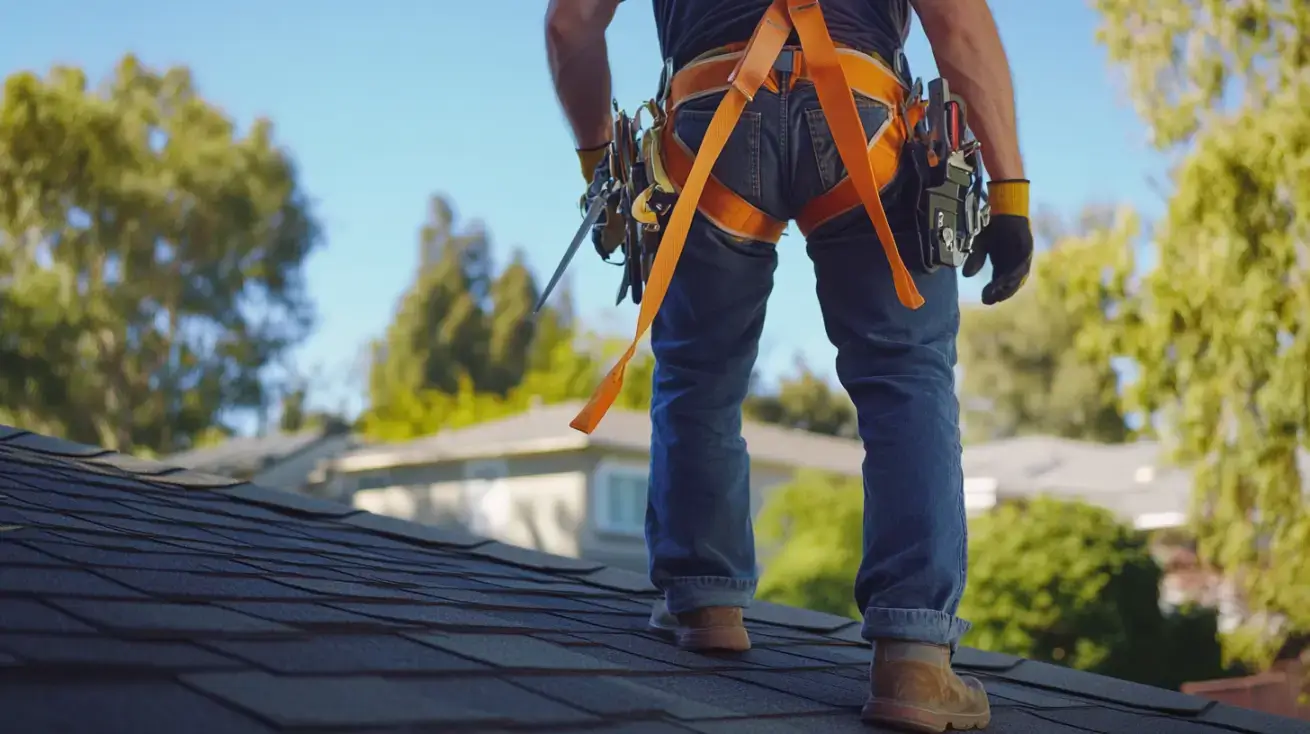
Roofers have specialized training to inspect elevated surfaces safely. Owners should not climb onto steep, wet, fragile, or damaged roofs.
Access depends on slope, surface condition, weather, height, and structural stability. When direct access is unsafe, the inspector explains alternative methods and report limitations.
Clear Findings Without Hidden Fees
Before the appointment, we explain scope and cost. Free inspections may be available in limited situations, but terms should be confirmed before scheduling.
You will know what the inspection includes, what documentation you receive, and whether access restrictions affect the findings.
Schedule a Roof Inspection in San Diego
A professional roof inspection can reveal hidden issues, document current conditions, and help prevent costly repairs. Timely information supports better decisions for residential and commercial property owners.
Contact San Diego County Roofing & Solar to schedule an inspection in San Diego, La Mesa, La Jolla, El Cajon, or another community within our service area.
Frequently Asked Questions