
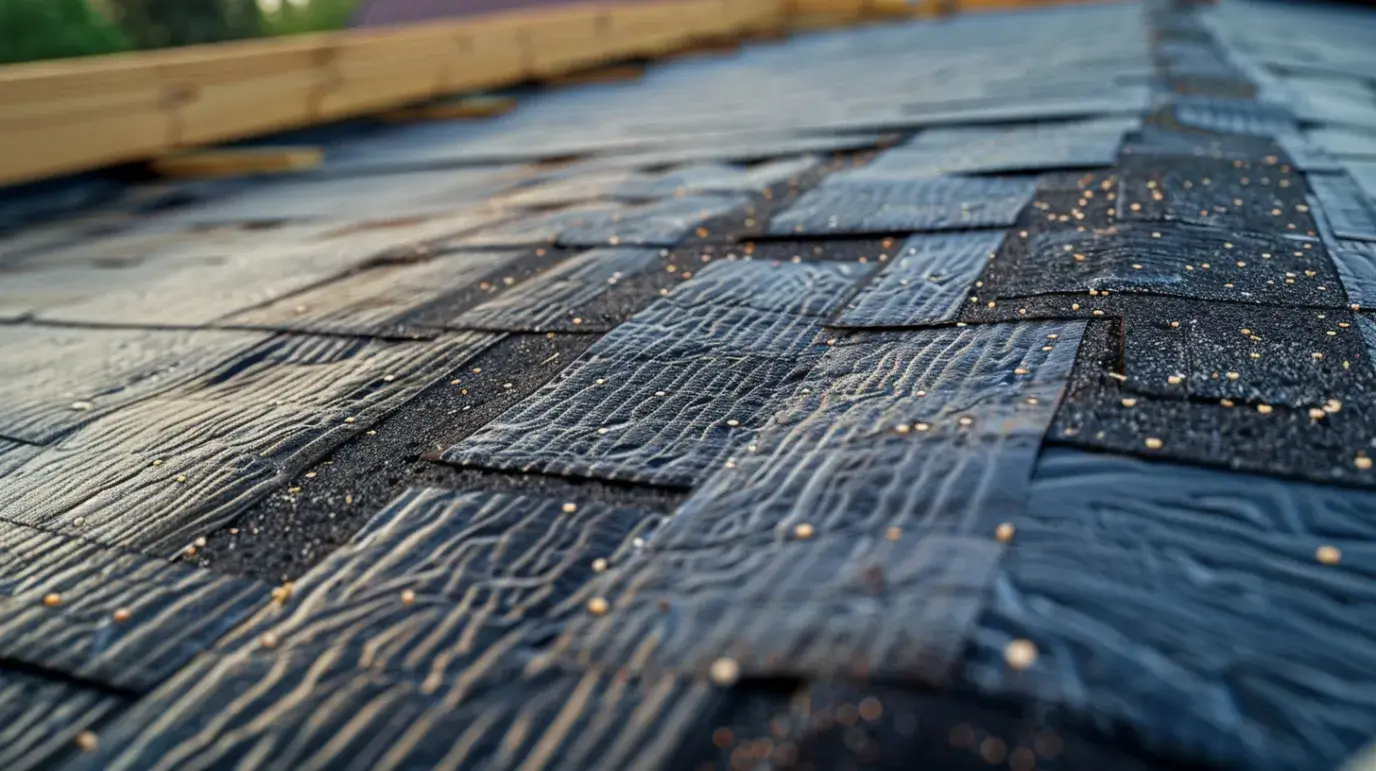
Your tile roof in San Diego is a beautiful and durable asset. But have you ever wondered why a roof might leak even when the tiles appear perfectly intact? The hidden secret lies beneath the surface, with a critical component called the underlayment. This waterproof layer protects your roof deck from water intrusion. When it ages and fails, leaks can occur, often without any obvious signs on the tile roofing itself. At San Diego County Roofing & Solar, we understand the importance of maintaining this essential layer to ensure the longevity and integrity of your roof.
Why Tile Roofs in San Diego Look Fine, Yet Still Leak
Many homeowners are surprised by roof leaks, even when their tiles appear intact. Tiles are only the first line of defense—the real waterproof barrier is the underlayment. As underlayment ages and deteriorates, water can seep in and cause hidden damage, especially on older tile roofs. At San Diego County Roofing & Solar, we often find leaks caused by underlayment failure beneath seemingly perfect tiles. That’s why our inspections cover the entire roofing system—not just the surface—to pinpoint the true source of leaks. Understanding how each layer protects your home is key to a roof that lasts.
Surface Tiles vs. Underlayment—What Protects Your Home
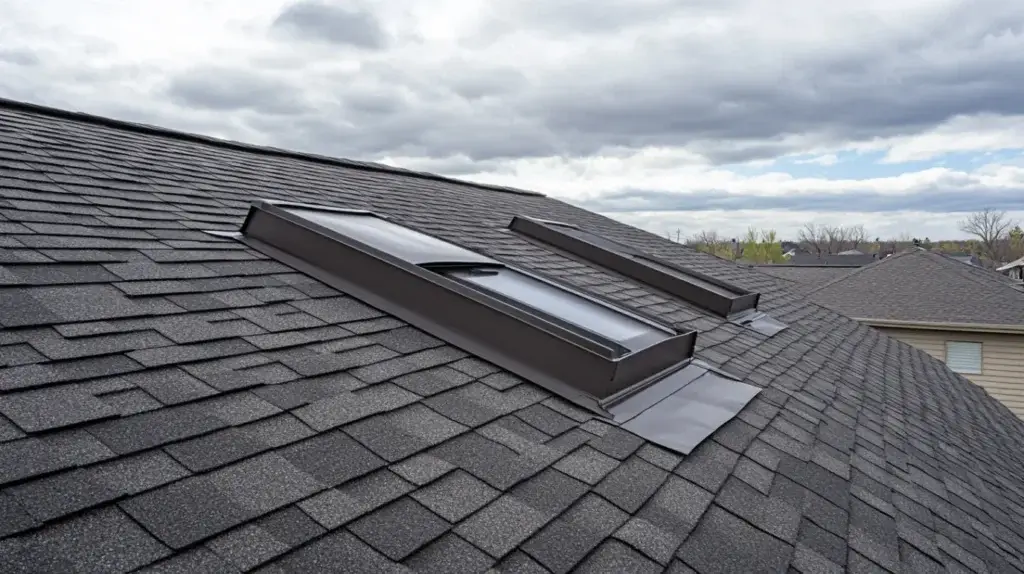
Concrete or clay roof tiles mainly shed water and protect the layers beneath from sun and damage. While water-resistant, they aren’t fully waterproof—some water can seep through during heavy rain or wind. That’s why underlayment is crucial. This waterproof barrier lies between the tiles and roof deck, catching any water that gets past the tiles and channeling it off the roof. Without proper underlayment, your home risks leaks and water damage. Think of tiles as an umbrella—they block most rain. The underlayment is like a raincoat; if it fails, you’ll get wet—just as your roof will leak if the underlayment fails.
The Role of California Climate in Hidden Roof Problems
Southern California’s intense sun accelerates roof aging. Constant UV rays and high temperatures cause roofing materials to expand and contract daily, making the underlayment brittle and prone to cracking—even beneath tiles. When heavy rains arrive, this weakened underlayment can’t keep out water, which seeps through tiny, hidden cracks and causes leaks. Strong winds may lift tiles slightly, letting moisture reach the damaged layer below. These weather conditions make durability essential for tile roofs in San Diego. As a GAF Master Elite Contractor with over 30 years of local experience, we know how to address these unique challenges.
Most Common Aging Underlayment Issues
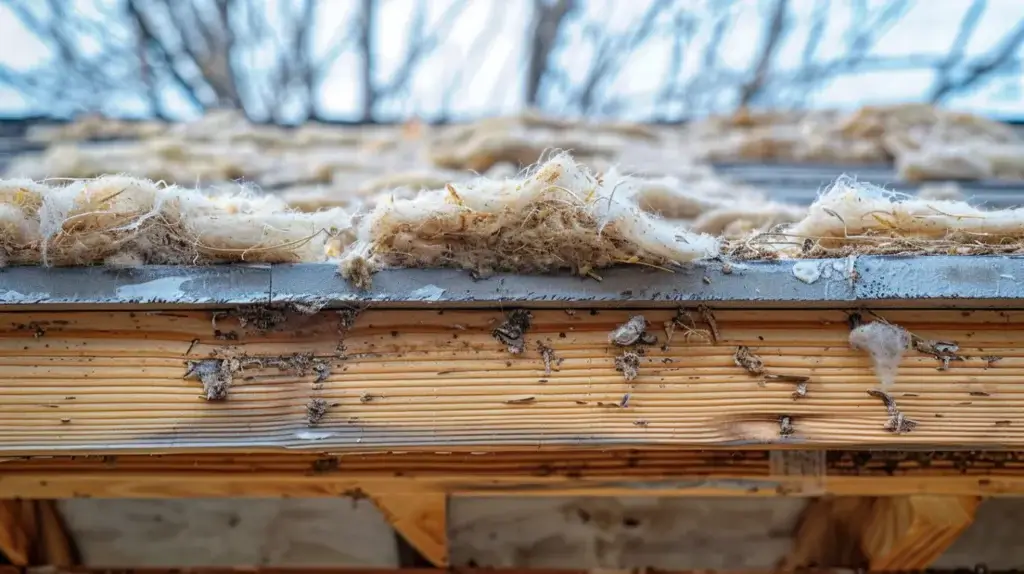
As your roof ages, the underlayment beneath the tiles begins to break down. This deterioration is one of the most common causes of leaks in older tile roofs. The material becomes less effective at stopping water, creating weak points in your roofing system. Understanding what causes this aging process and what to look for is key to preventing significant damage. Issues like material lifespan and the effects of heat and moisture are critical factors that every property owner should be aware of.
Deterioration and Lifespan of Underlayment Materials
Underlayment materials are essential in roofing, acting as a waterproof barrier that protects the structure from moisture and water damage. Sun exposure and temperature changes can cause underlayment to deteriorate over time—even if the roof surface appears intact. Aging underlayment may fail due to prolonged exposure to the elements. Regular inspections help detect early signs of deterioration so repairs or replacements can be made promptly. Neglecting underlayment maintenance can lead to mold, structural damage, and expensive repairs. Knowing the lifespan of these materials is key to maintaining tile roof integrity.
How Moisture and Heat Speed Up Underlayment Wear
Extreme heat and moisture are especially harmful to old underlayment. Sunlight traps heat between the tiles and roof deck, baking the underlayment and speeding up its aging. This causes it to lose flexibility and waterproofing. When moisture from rain or humidity gets in, it makes things worse, leading to rot and deterioration. Even if your tiles look fine, damage may be hidden underneath—often revealed by water stains on your ceiling. UV rays and heat break down this protective layer, so a thorough inspection is needed to assess and address any issues before they get worse.

Telltale Signs Your Tile Roof’s Leaks Are Due to Underlayment
How can you tell if a leak is from underlayment failure and not just a cracked tile? Certain signs point directly to a compromised waterproof barrier. These clues often appear inside your home, such as water stains on the ceiling or walls, long before you notice any issues on the roof itself. Recognizing these warnings early can save you from costly repairs down the road. It is important to know what to look for and when to call a professional for a roof inspection.
Spotting Leak Patterns
Identifying leak patterns often requires attention to detail, as surface tiles may look intact. Water stains on ceilings or walls usually signal issues with the roof underlayment rather than visible damage. These stains—often dark spots or discoloration near roof edges or penetrations—suggest hidden water intrusion. Subtler signs include musty odors and attic mold, indicating moisture problems. Regular inspections for these indicators help detect underlayment failure early, preventing major damage. Checking for tile anomalies like bulging or unexpected debris can also uncover hidden issues, enabling timely repairs and protecting the roofing system’s integrity.
Get in Touch
In conclusion, understanding the aging underlayment issues beneath tile roofs is crucial for homeowners in San Diego. Even when the surface appears intact, hidden problems can lead to leaks, jeopardizing your home’s integrity. Regular inspections and maintenance are essential to address these concerns before they escalate. At San Diego County Roofing & Solar, with over 30 years of experience and recognized as a GAF Master Elite Contractor, we are dedicated to providing top-notch service to ensure your roof remains in peak condition. If you suspect underlayment issues or want peace of mind, reach out for a professional inspection today.
Read our blog: The Rooftop Equipment Factor: How HVAC And Solar Installations Can Affect Roof Longevity
Frequently Asked Questions
How often should underlayment be replaced beneath tile roofs?
Underlayment replacement frequency depends on the material, but it’s typically needed every 20 to 30 years in the San Diego climate. Routine inspections can help determine the exact condition of your tile roof underlayment and when it’s time for a replacement to prevent leaks.
Can new roof underlayment ever develop leaks?
Yes, even new underlayment can leak. The most common cause is improper installation, such as inadequate sealing around roof penetrations or incorrect overlapping of the material. This is why hiring an experienced, certified roofer is crucial to ensure your roofing system is watertight from the start.
Let’s get started on your roofing project!