

Living in Encinitas, CA, offers beautiful coastal views, but winter dampness brings a hidden threat to your home. The persistent moisture from the ocean air can lead to wood rot, a serious issue that weakens your property’s structure. Understanding how this water damage occurs is the first step in protecting your home’s structural integrity. The ocean’s moisture absolutely makes wood rot worse, especially during the cool, wet winters we experience in Southern California.
Understanding Coastal Moisture and Its Impact on Encinitas Homes
The coastal moisture from the Pacific Ocean presents unique challenges for homes in our community. This isn’t just about rain; the constant misty and salty air creates an environment where water infiltration can silently cause significant harm. Without proper protection, the structural integrity of your home could be at risk. We will explore how this dampness specifically affects the wooden parts of your home. You will also learn how the ocean air plays a direct role in accelerating wood decay, helping you understand the forces working against your property.
How Winter Dampness Affects Wood Structures
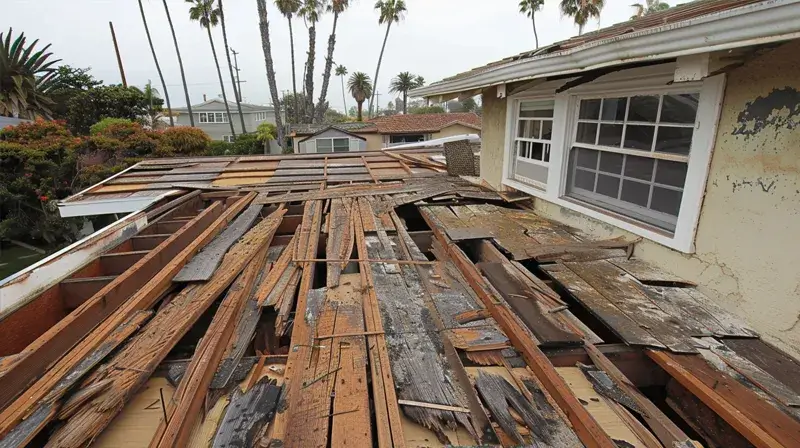
Winter’s damp conditions provide the perfect breeding ground for fungi. When wood becomes wet for a long time, these fungi start to grow and feed on its core components. This process is the beginning of wood rot, which can cause serious structural damage. These fungi consume the cellulose and lignin that give wood its strength. As this happens, the wood becomes brittle and weak, losing its ability to support weight. In Southern California, our mild and wet winters offer the ideal balance for this kind of water damage to thrive.
This is how winter dampness leads to dry rot, which silently consumes wooden structures from the inside out. The consistent moisture levels allow fungi to establish themselves, leading to decay that can compromise the safety and stability of your home if not addressed.
The Role of Ocean Air in Accelerating Damage
The ocean air in Encinitas does more than just create a pleasant breeze; it carries salt particles that settle on your home. This salty air is a major factor in accelerating wood damage because salt naturally attracts and holds onto moisture, keeping surfaces damp for longer. This high humidity keeps moisture locked into wooden surfaces, preventing them from drying out completely. This is one of the unique challenges of living so close to the coast. Even on days without rain, the air itself contributes to the problem.
The combination of salty air, coastal fog, and high humidity means that wood on your home is under constant attack. This environment speeds up the decay process, making regular inspections and maintenance essential for preventing serious damage caused by persistent moisture.
Recognizing Early Signs of Wood Rot and Sheathing Issues
Catching wood rot and sheathing issues early is crucial for preventing widespread, expensive repairs. The initial signs of damage are often subtle, so knowing what to look for can save you significant trouble down the road. Regular inspections are your first line of defense. To help you protect your home, we will detail the specific signs of damage to watch for. This includes visual clues on your home’s exterior as well as other indicators like strange odors and changes in the wood’s texture.
Visual Clues on Exterior Walls and Trim
Identifying visual clues on exterior walls and trim is crucial for maintaining the structural integrity of your home. Look for signs of moisture, like peeling paint or soft spots, which often indicate water infiltration and potential fungal decay. Discoloration or dark stains may signal excessive moisture levels, while warped or bowed boards can suggest underlying structural damage. Keeping a close eye on window frames and door frames is essential, as they can become breeding grounds for wood rot if neglected. Regular inspections will help catch these issues early.

Texture Changes, and Other Indicators
Musty odors often signal the presence of moisture and decay within wooden structures. Textural changes such as warping or soft spots on exterior wood surfaces can indicate significant damage, making the structural integrity of your home compromised. Residents should pay close attention to peeling paint, softening wood fibers, or visible fungal growth, which may point to excessive moisture levels. Proactive measures including regular inspections can help identify these signs early, mitigating future damage and ensuring compliance with local building codes.
Expert Methods for Inspecting Hidden Damage
Some of the most serious moisture damage is not visible to the naked eye. Water can get trapped behind siding, under trim, or within wall cavities, leading to structural issues that go unnoticed. This is why a professional inspection is so important for a complete assessment.
At San Diego County Roofing & Solar, we use professional tools and techniques to uncover these hidden problems. We will explain how we identify concealed water damage and which areas of your home are most vulnerable to coastal dampness.
How Professionals Use Tools and Techniques
Expert inspectors rely on specialized tools to assess moisture levels and identify areas of water infiltration in wooden structures. Infrared cameras reveal hidden damp spots, while moisture meters provide precise readings of humidity within wood fibers. Employing techniques such as thermal imaging assists in detecting temperature inconsistencies that indicate structural issues. Coupled with years of experience, these methods enable professionals to take proactive measures, ensuring the structural integrity of your home remains intact, even in the most challenging coastal environments.
Areas Most Susceptible to Coastal Dampness
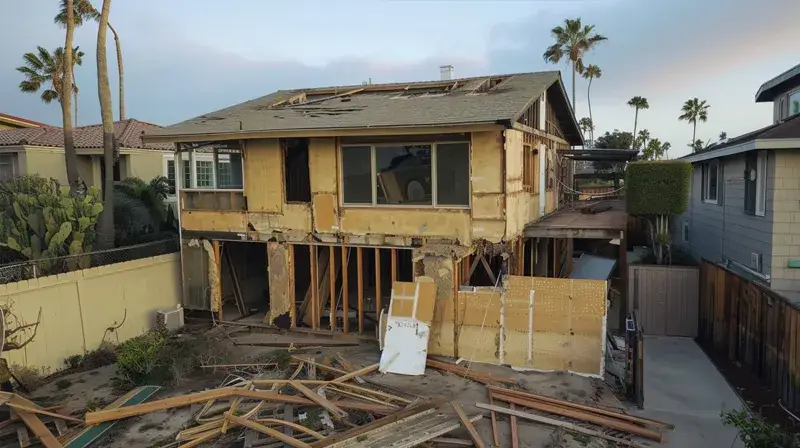
Certain areas around homes in Encinitas are particularly vulnerable to coastal dampness, contributing to ongoing structural issues. Exterior wood surfaces such as window frames, door frames, and roof eaves often bear the brunt of excess moisture, leading to fungal growth and the potential for severe wood rot. Furthermore, regions with poor air circulation may foster damp conditions, resulting in soft spots and significant damage over time. Regular inspections of these high-risk areas can help identify early signs of moisture, permitting proactive measures to safeguard structural integrity.
Immediate Steps to Take When Wood Rot is Discovered
Finding wood rot on your property can be alarming, but it is important to act quickly and calmly. Your immediate steps should focus on preventing the problem from getting worse. Addressing the source of moisture is the most critical first action you can take. Taking the right measures can contain the issue until professional repairs can be made. The following sections will guide you on what to do to limit further damage and why contacting a certified contractor is your best next move.
Containing Further Damage in Winter
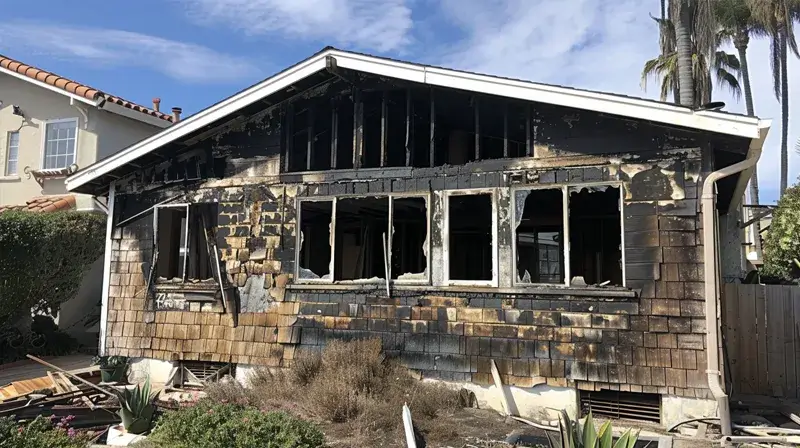
Prompt action is crucial when wood rot is discovered during winter months. Immediately addressing signs of damage helps to maintain the structural integrity of your home. Utilizing protective coatings can serve as a temporary barrier against moisture infiltration, while ensuring proper ventilation reduces damp conditions that foster fungal growth. Regular inspections and proactive measures are necessary ingredients to mitigate further issues, as delayed action could result in significant damage and expensive repairs stemming from excessive moisture or poor air circulation.
Contacting Certified Contractors for Repairs
For lasting repairs, trust certified contractors. At San Diego County Roofing & Solar, our team has over 30 years of experience handling wood rot with professionalism. DIY repairs often miss underlying structural issues and can be risky. As a GAF Master Elite Contractor, we follow local regulations for accurate, reliable repairs—just ask our 5-star Google reviewers. We fully remove affected wood, treat the area to eliminate fungi, and replace damaged sections with durable materials. This thorough process resolves the problem and helps prevent future rot.
Contact Us
In conclusion, protecting your home in Encinitas from coastal moisture threats is essential to maintaining its integrity. By understanding the effects of winter dampness and recognizing the signs of wood rot and sheathing damage, homeowners can take proactive steps to safeguard their properties. Our team at San Diego County Roofing & Solar, with over 30 years of experience and recognition as a GAF Master Elite Contractor, is dedicated to providing expert inspections and repairs. Don’t let moisture damage compromise your home; contact us today to get quotes for our commercial services and ensure your roof remains resilient against the elements.

Frequently Asked Questions
How long can wood be wet before it starts to rot?
Wood can begin to rot after being exposed to high moisture levels for an extended period. While there is no exact timeline, constant damp conditions create the ideal environment for fungal growth to take hold, which eventually leads to wood damage and dry rot.
Is dry rot caused by termites?
No, dry rot is caused by specific species of fungi that feed on wood. Termite damage is a separate issue, although termites are often attracted to the softened, affected wood that dry rot leaves behind. The presence of both can cause significant structural damage.
Read our blog: Emergency Flat Roof Drainage: Immediate Solutions for Ponding Water on Commercial Buildings in Downtown San Diego During Heavy Rains
Let’s get started on your roofing project!