
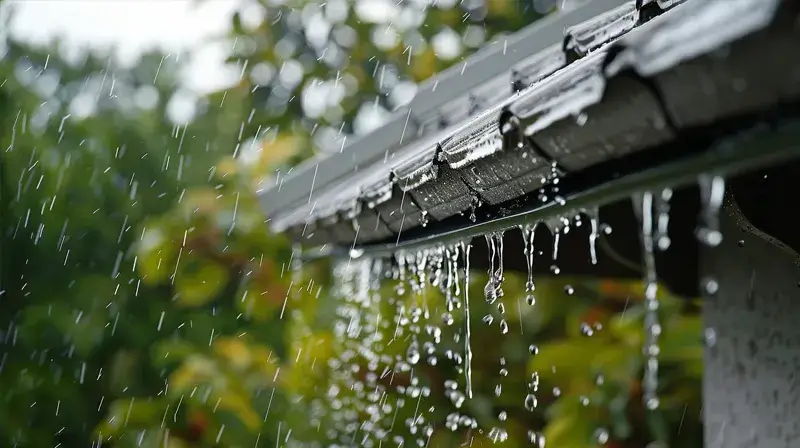
As a homeowner in beautiful San Diego, CA, neighborhoods like South Park or Normal Heights, preparing for the rainy season is essential. For homes with older roofs, the risk of roof leaks increases significantly. Many warning signs are easy to miss until it’s too late. At San Diego County Roofing & Solar, we want to help you spot these subtle clues. A professional roof inspection can protect your home from unexpected water damage and ensure your family stays dry.
Why Older Roofs Are at Risk During Rainy Season
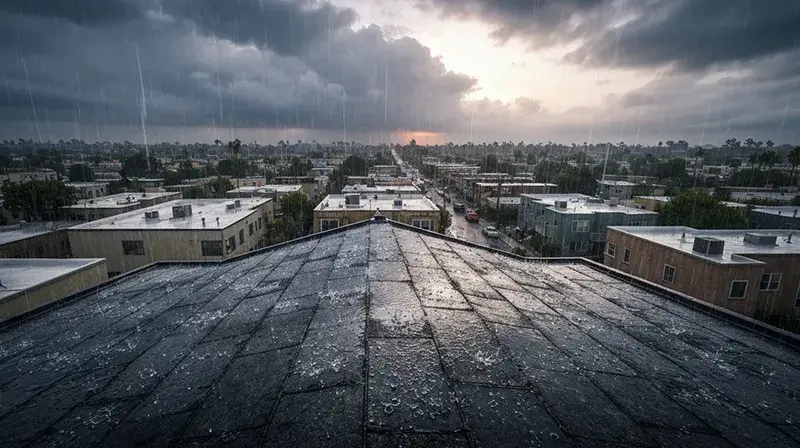
The integrity of older roofs in South Park and Normal Heights significantly declines during the rainy season due to a combination of age and environmental factors. Wear and tear can compromise the protective layer, making asphalt shingle roofs more susceptible to leaks. Additionally, localized weather patterns, such as heavy rain, can exacerbate existing vulnerabilities, especially in areas with missing shingles or compromised flashing. Regular inspections become essential for homeowners to identify these early warning signs, ensuring that the roof remains a reliable line of defense.
How Local Weather Patterns Speed Up Roof Aging
Frequent exposure to the elements is a primary factor that accelerates roof aging in South Park and Normal Heights. Local weather patterns, characterized by heavy rain and intense UV rays, often compromise the protective layer of roofing materials. Asphalt shingles may begin to lose granules, leading to a weakened structure and increased susceptibility to leaks. Additionally, fluctuating temperatures can cause expansion and contraction, exacerbating wear and creating opportunities for tiny breaches, transforming minor leaks into significant roofing problems that demand immediate attention.
Overlooked Factors That Make Leaks More Likely
Numerous elements contribute to the likelihood of roof leaks, often overlooked by homeowners. For instance, improper drainage from gutters can lead to water accumulation, weakening the roof’s protective layer. Additionally, aging flashing around chimneys or vents may deteriorate, exposing vulnerable areas of the roof. Missing shingles or granule loss from asphalt shingle roofs can further increase susceptibility to leaks. Regular inspections by a professional roofing company are essential for identifying these potential issues before they escalate into costly repairs.
Subtle Water Stains Inside the Home
One of the most common yet underrated signs of a roof leak is the appearance of water stains inside your home. You might notice faint, yellowish, or brownish spots on your ceiling or upper walls. These stains are a clear warning sign that water has already penetrated your roof and is soaking into the drywall or plaster.
Even a tiny stain should not be dismissed. It indicates a breach in your roofing system that will only worsen with time. Understanding what these marks mean and how to act can save you from extensive and expensive repairs down the road.
What Faint Spots on Ceilings Mean
Faint spots on ceilings or walls often serve as early warning signs of underlying roof issues. These seemingly minor water stains can indicate that moisture has infiltrated your roofing system, potentially from missing shingles or damaged flashing. Ignoring these cues may lead to structural damage and costly repairs down the line. Homeowners should prioritize a professional inspection to identify the source of the leak and address it before the next storm amplifies the problem, safeguarding their living spaces and peace of mind.
Early Actions to Prevent Water Damage
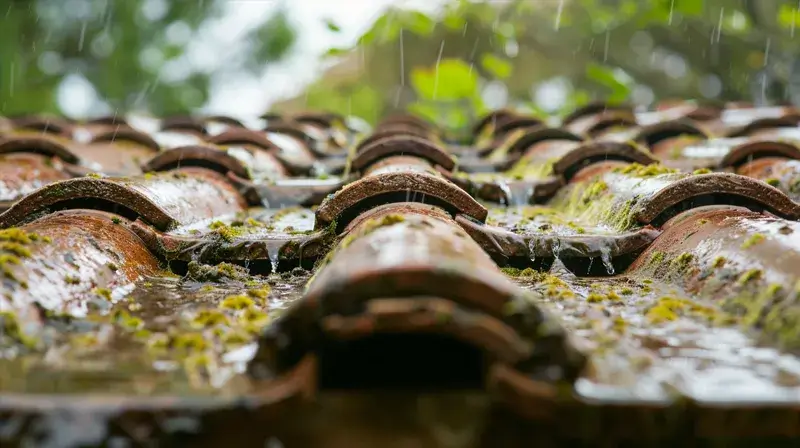
Taking proactive steps can significantly reduce the risk of major water damage. Regular inspections by a professional roofing company are vital, allowing for the early identification of small leaks or missing shingles. Homeowners should also ensure that gutters and downspouts are clear to facilitate proper drainage. Maintaining the roof’s protective layer and addressing any visible damage immediately can prevent further deterioration. Timely repairs not only extend the lifespan of roofing materials but also provide peace of mind during the rainy season.
Strange Smells or Dampness in the Attic
Unusual odors or a damp atmosphere in the attic often serve as a critical early warning sign of hidden leaks. Stale, musty smells indicate mold growth fueled by moisture intrusion, highlighting potential structural damage to the roofing system. Monitoring this area for odors can alert homeowners to roofing problems before they escalate. Regular inspections, especially following heavy rain, help identify the source of the leak and evaluate insulation integrity, thus preventing minor leaks from becoming costly repairs.
Telltale Odors That Signal a Hidden Leak
Distinct odors can signal the presence of hidden leaks, often indicating moisture accumulation. Musty smells typically arise from mold growth within insulation or the roofing system. These smells should never be dismissed; they often act as a precursor to more significant issues. Early detection through a professional inspection can reveal areas of your roof where water may have infiltrated, preventing costly repairs down the line. Homeowners should prioritize addressing these warning signs promptly to secure their property’s integrity and peace of mind.
Inspecting Insulation and Wood
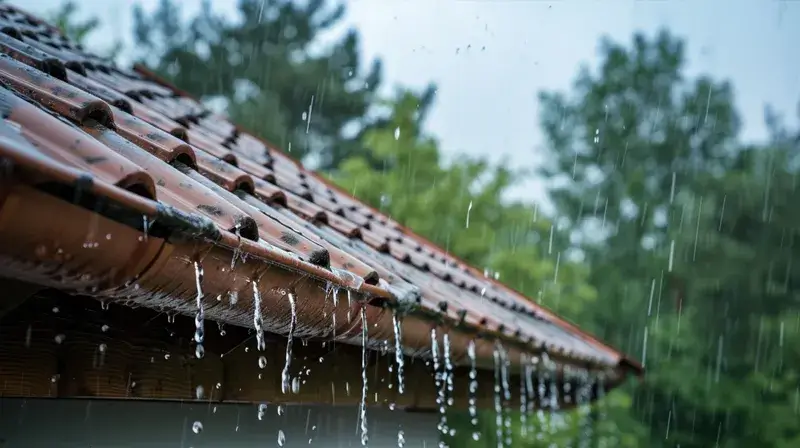
Regular inspections play a critical role in preserving your roofing system, especially in areas prone to heavy rain. Focus on insulation and wood within the attic; these components can reveal hidden moisture issues that lead to structural damage. Look for sagging insulation or damp wood—both are red flags signaling potential leaks. Addressing these signs promptly can prevent mold growth and save homeowners from costly repairs. Staying proactive ensures your roof maintains its protective layer for years to come.
In Summary
Vigilance regarding your roof’s condition is essential, especially during the rainy season. Homeowners must embrace professional inspections to catch early warning signs of leaks and water damage. Neglecting subtle indicators, like water stains or strange odors, can lead to costly repairs and structural damage. By being proactive and scheduling regular checks, you fortify your home’s first line of defense against Mother Nature. Prioritizing your roof’s health not only prevents further damage but also offers peace of mind for years to come.
Frequently Asked Questions
What happens if it rains while getting a new roof?
A professional roofing team will never leave your home exposed. If heavy rain is forecasted during a roof replacement, we take steps to securely cover the exposed areas, ensuring your home stays dry until work can safely resume. Your protection is our top priority.
Read our blog: The San Diego Seismic Strategy: How Earthquake Retrofitting Intersects with Roof Replacement for Long-Term Home Integrity
Let’s get started on your roofing project!