

Each fall, Southern California homeowners brace for the powerful Santa Ana winds. These high winds pose a serious threat to your roof, especially the edges, ridges, and flashing. At San Diego County Roofing & Solar, we understand the unique challenges these weather events present. With over 30 years of experience, our team of GAF Master Elite contractors is dedicated to securing your home and giving you peace of mind.
Understanding the Threat of Santa Ana Winds
The Santa Ana winds are intense, hot, and dry gusts from the Great Basin, often exceeding 70 mph as they reach coastal Southern California. Their sustained force puts significant strain on roofs, increasing the risk of wind damage and wildfires. Because these winds can last for days, even sturdy roofing may be affected. Proactive preparation is crucial. Understanding how Santa Ana winds target your roof’s weak points is the first step in protecting your home. We’ll cover which areas are most at risk and how you can safeguard them.
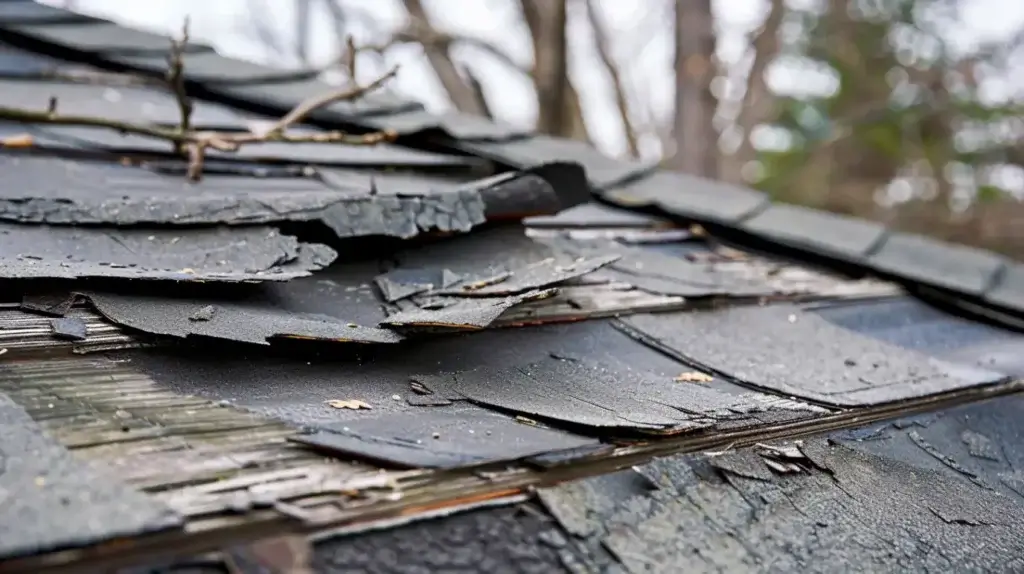
How Santa Ana Winds Impact Roof Edges and Ridges
Strong winds pose serious risks to roof edges and ridges—the most vulnerable parts of any roof. Santa Ana winds, with their high speeds and pressure shifts, can cause major damage if roofs aren’t properly reinforced. Wind uplift can loosen shingles or tiles at the edges, while ridges may be compromised, leading to costly repairs and water leaks. To protect your roof in Southern California’s dry climate, reinforce these weak spots with durable materials like architectural shingles or metal roofing and ensure proper installation. Regular professional inspections can catch problems early, giving you peace of mind during storm season.
Identifying Roof Vulnerabilities Before the Season
Thorough roof assessments are essential before Santa Ana wind season to identify potential weaknesses. Focus on critical areas like roof edges, ridges, and flashing, which are prone to water intrusion and wind uplift. Professional inspections can reveal loose shingles or deteriorating materials such as aging asphalt or weakened underlayment. Pay special attention to structural components like roof decking and metal connectors, as they’re vulnerable to high wind pressures. Addressing these issues reduces costly repairs and provides peace of mind. Regular maintenance and prompt repairs strengthen the roof’s defense against severe weather.

Right Materials for Wind-Resistant Edges
Choosing the right roofing materials is key to wind resistance. Some materials, like metal roofing with interlocking panels, are engineered to withstand high winds. Proper installation is just as important— even the best materials can fail if not installed correctly. Materials used for edges and flashing also impact your roof’s ability to withstand strong Santa Ana winds. Investing in high-quality, wind-rated products strengthens your home’s defense. Next, we’ll review the best options for roof edges and flashing in San Diego’s demanding climate.
Proven Roof Edge Materials for High-Wind Protection
Choosing the right materials for roof edges is crucial for withstanding Santa Ana winds. Metal roofing is highly durable and resists wind uplift, reducing the risk of failures seen with other materials. Architectural shingles also boost wind resistance and add visual appeal. Adding synthetic underlayment helps manage moisture and prevent leaks, while roofing cement at the edges improves adhesion and secures vulnerable spots. Together, these elements strengthen the entire roof, giving homeowners greater peace of mind during high winds.
Durable Flashing Options That Withstand Santa Ana Gusts
Flashing protects your roof’s joints and penetrations from wind and water. To withstand Santa Ana winds, use heavy-gauge, corrosion-resistant stainless steel or coated aluminum—especially in coastal areas. Durability also depends on proper installation. Secure flashing with quality roofing cement and metal connectors for a tight seal against wind uplift. Adding synthetic underlayment beneath the flashing gives extra water protection if the main seal fails. At San Diego County Roofing & Solar, we install flashing to meet or exceed local wind codes. We carefully seal every edge and use strong fasteners to safeguard your roof’s most vulnerable spots—part of our award-winning service.

Expert Fastening and Installation Techniques
Even the most durable materials can fail without proper installation. Expert fastening ensures your roof withstands major winds. As experienced roofing contractors, we use extra fasteners in high-stress areas and may recommend hurricane straps to secure the roof to your home’s walls for maximum uplift resistance. These methods exceed standard building codes for superior protection. Our team understands the unique stress Santa Ana winds place on San Diego roofs. Next, we’ll outline specific techniques for securing ridges, edges, and various roofing types like tile for ultimate peace of mind.
Securing Ridges and Edges
Roof edge and ridge integrity is crucial for wind resistance. Proper installation, including extra fasteners along ridges, reduces the risk of wind uplift during events like Santa Ana winds and protects against structural damage. Durable materials such as architectural shingles or metal roofing offer strong wind resistance. Using synthetic underlayment adds water protection. Regular inspections by roofing professionals help ensure edges and ridges stay secure against extreme weather.
Specialized Fastening Methods for Tile Roofs
Tile roofs—concrete or clay—face challenges in high winds. Though their weight helps, tiles can still be dislodged without proper fastening. Santa Ana winds require specialized methods, often with more fasteners than standard codes. For high-wind areas, we recommend mechanically attaching each tile with corrosion-resistant screws—much stronger than adhesives that can fail over time. Using two fasteners per tile at eaves and rakes further increases strength. At San Diego County Roofing & Solar, we use these advanced techniques and customize our approach for your roof’s profile and location to ensure maximum durability.

Inspection Checklist for Wind Season Prep
Proactive maintenance is the best way to protect your roof from wind damage. Schedule regular inspections—especially before fall winds—to spot and fix issues early. Roofing professionals can catch subtle problems, helping you avoid expensive emergency repairs. Use a checklist to ensure all critical areas are covered. Routine checks and timely repairs will keep your roof ready for the Santa Ana winds. The next sections detail what to include in your inspection and maintenance routines.
Routine Roof Inspections for Early Problem Detection
Routine roof inspections help spot problems early, preventing costly repairs. After severe weather, check for loose shingles or damage that could reduce wind resistance. Early detection of water intrusion stops leaks before they worsen. Professional roofers can assess vulnerable areas like edges and ridges, review installation methods, and inspect underlayment and flashing. Following maintenance best practices boosts peace of mind and strengthens roofs against threats like Santa Ana winds. Regular upkeep makes roofs more resilient to severe weather.
Tips for Maintaining Edges, Ridges, and Flashing
To prevent wind damage, maintain your roof edges, ridges, and flashing. Remove debris like leaves and branches to avoid trapped moisture, which can weaken sealants and fasteners. Inspect sealant and roofing cement around flashing and ridges for cracks or gaps. If you find wear, have a professional reseal them to keep the roof watertight and wind-resistant. Ensure all edge materials, including the drip edge, are securely fastened. Immediately re-secure any loose sections to prevent wind from causing peel-back failures. Regular maintenance keeps these critical areas strong and protects your home.
Get in Touch
To protect your roof from the powerful Santa Ana winds, it is essential to secure the edges, ridges, and flashing effectively to significantly reduce potential damage. Utilizing high-quality materials and expert installation techniques will provide enhanced wind resistance that is crucial in these conditions. Additionally, regular maintenance and thorough inspections will help catch any issues early, ensuring your roof remains in optimal condition. With 30 years of experience, San Diego County Roofing & Solar is your trusted partner. Contact us today to ensure your home is fully prepared for any weather challenges that may arise.
Frequently Asked Questions
What are the signs of wind damage on roof flashing or ridges?
Signs of wind damage include lifted or bent roof flashing, loose shingles along roof edges, and cracked or missing ridge caps. After a storm, a thorough roof inspection can help you spot these issues before they lead to leaks or further damage.
What causes the Santa Ana winds to be so bad?
Santa Ana winds are so severe because high pressure over the Great Basin pushes hot, dry air toward Southern California. As the air descends, it compresses and heats up, creating strong winds with very low humidity and high wind speeds.
Read our blog: Premium Protection: Is the High Cost of Luxury Shingles in Del Mar Justified by Superior Winter Storm and Wind Warranties?
Let’s get started on your roofing project!