
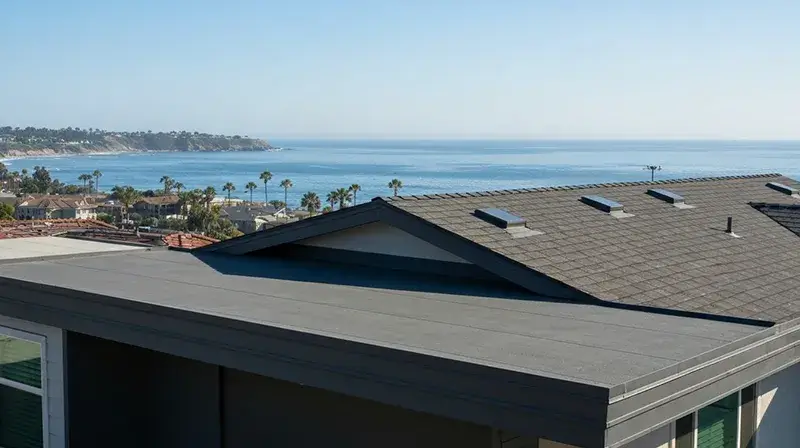
Living in San Diego, CA, offers a wonderful lifestyle, but it also comes with the reality of seismic activity. Earthquake preparedness is essential for every homeowner. Protecting your property involves more than just an emergency kit; it means ensuring your home’s structure is sound. A key part of this strategy is understanding how seismic retrofitting and the integrity of your roof work together to prevent catastrophic earthquake damage and keep your family safe.
Understanding San Diego’s Earthquake Risk and Building Codes
San Diego is located near several active fault lines, including the Rose Canyon Fault, which runs directly through the region. This proximity creates a significant seismic risk that homeowners cannot afford to ignore. The potential for a major earthquake means that your home’s ability to withstand strong shaking is a primary concern for its long-term safety and stability.
To address this, California has developed some of the most advanced building codes in the world. These regulations are designed to minimize earthquake damage and save lives. Understanding how your home aligns with current codes is the first step in assessing its current condition and identifying necessary upgrades. We will explore why these specialized strategies are so important for local homes.
Why San Diego Homes Require Specialized Seismic Strategies
Unique geological factors and proximity to active fault lines make specialized seismic strategies essential for San Diego homes. The region’s susceptibility to earthquake shaking necessitates tailored earthquake retrofitting services to enhance structural integrity and minimize costly earthquake damage. Adhering to modern seismic codes, these strategies ensure that both roof systems and building foundations can withstand significant seismic forces. Additionally, older houses often exhibit weak connections that require focused interventions, reinforcing the importance of a customized approach to earthquake preparedness in the San Diego area.
The Role of California Building Regulations in Earthquake Safety
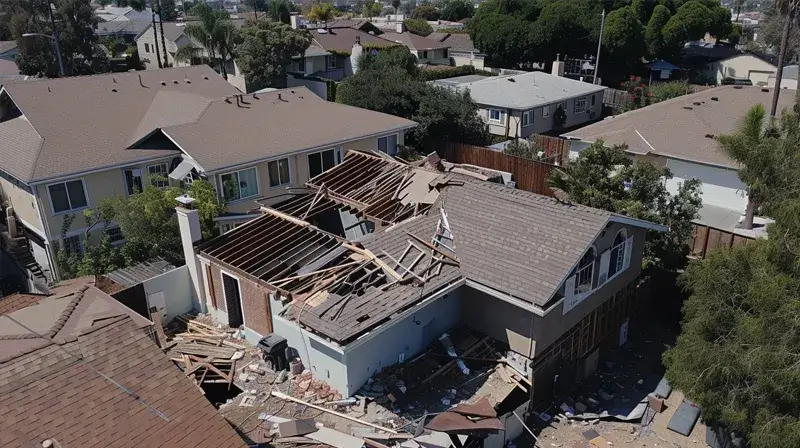
Building regulations in California serve as a vital framework for ensuring earthquake safety across the state, particularly affecting areas prone to seismic activity like San Diego, CA. These regulations—rooted in modern seismic codes—mandate rigorous standards that properties must meet to withstand earthquake forces. Compliance with local building codes not only enhances structural integrity but also addresses potential risks, offering peace of mind to property owners. Through initiatives like the California Residential Mitigation Program, resources are provided to facilitate necessary upgrades and retrofitting.
The Importance of Integrating Roof Replacement with Seismic Retrofitting
When it is time for a roof replacement, you have a golden opportunity to improve your home’s earthquake resistance. Combining this project with seismic retrofitting is an intelligent and cost-effective approach to protecting your property. This integrated strategy allows for a comprehensive upgrade that addresses your home’s entire structural envelope, from the roof down to the foundation.
During a roof replacement, the home’s underlying structure, including rafters and wall connections, is exposed and accessible. This makes it the perfect time to add reinforcements that improve structural integrity without the need for separate, more invasive construction later. We will now look at how the roof itself contributes to earthquake resilience and the benefits of a coordinated upgrade.
How Roof Structure Impacts Earthquake Resilience
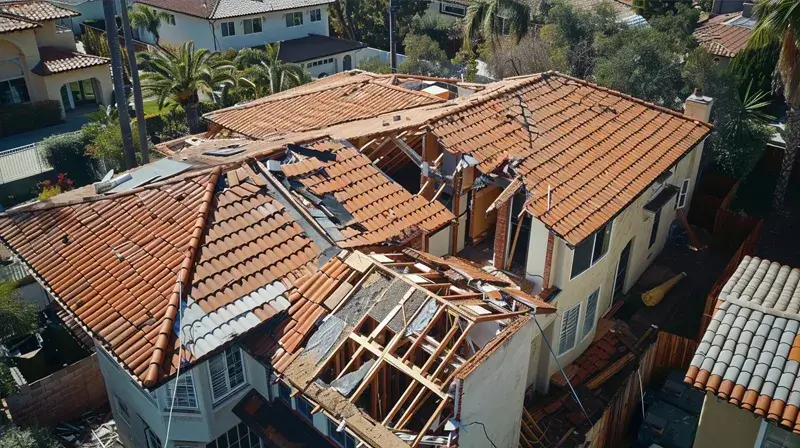
The ability of a roof structure to withstand seismic forces is vital for overall earthquake resilience. Various factors, such as the type of foundation and weight distribution, directly influence how well a home can absorb energy during seismic events. Roofs that lack proper bracing or feature weak connections can exacerbate structural vulnerabilities, leading to costly earthquake damage. Utilizing modern seismic codes and effective retrofitting techniques during roof replacement not only strengthens the building’s integrity but also significantly enhances homeowner peace of mind against future earthquakes.
The Benefits of Coordinated Roof and Foundation Upgrades
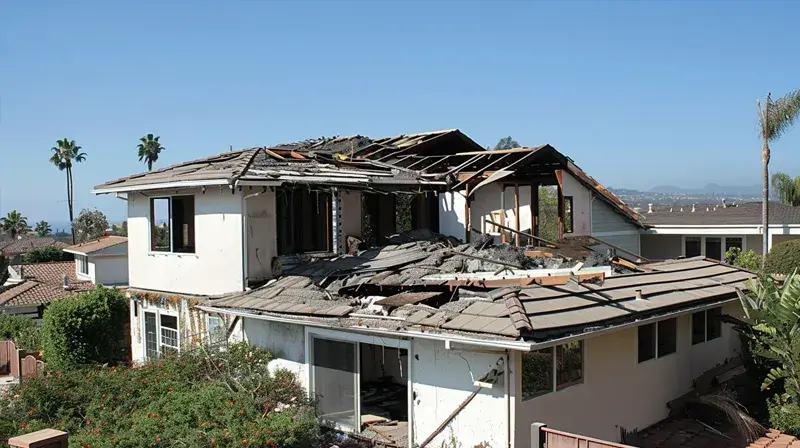
Integrating roof replacement with foundation upgrades yields significant advantages for homeowners in seismic zones. Enhanced structural integrity results from addressing weak connections and ensuring compatibility between both systems. This coordinated approach minimizes the risk of costly earthquake damage, offering more reliable earthquake resistance during seismic events. Moreover, following modern seismic codes not only safeguards living spaces but can also lead to savings for eligible homeowners when applying for seismic retrofit grants. Enhanced earthquake resilience thus provides invaluable peace of mind for residents.
Signs Your Home Needs Seismic Retrofitting During Roof Repairs
When we undertake roof repairs or a full replacement, it provides a clear view of your home’s structural skeleton. This is the ideal time for our experienced team to identify hidden red flags that indicate a need for seismic retrofitting. Many of these warning signs are invisible from the outside but become apparent once the old roofing materials are removed.
Recognizing these vulnerabilities is the first step toward securing your home against a major earthquake. An aging roof often coincides with an aging structure that may not meet modern safety standards. Let us examine some of the common indicators that tell us your home could benefit from seismic strengthening during your next roofing project.
Common Indicators in Aging Roofs and Structures
Identifying signs of aging roofs and structures is essential for maintaining earthquake resilience. Common indicators include cracked or sagging ceilings, water stains indicating leaks, and missing or damaged shingles. Additionally, walls may show signs of bowing or separation, and doors or windows may exhibit unusual gaps. Older homes often suffer from weak connections between the roof and the foundation, compromising structural integrity. Recognizing these early warning signals can save homeowners from costly earthquake damage and ensure compliance with local building codes.
Assessment Techniques Used by San Diego County Roofing & Solar
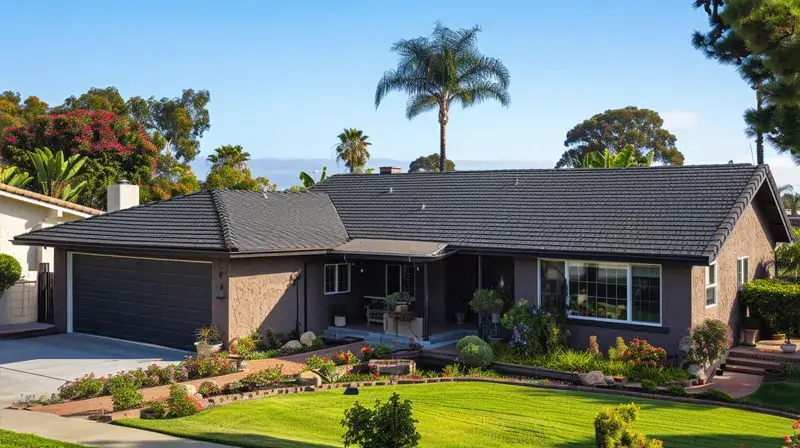
A comprehensive evaluation of aging roofs often employs advanced visual inspections combined with infrared thermography to identify hidden moisture issues. Structural engineers may also utilize load calculations and seismic risk assessments to ensure compliance with local building codes. Additionally, physical inspections of critical areas such as crawl spaces and foundation connections are performed to uncover potential weak connections. These techniques not only address immediate concerns but also align with the goals of earthquake preparedness and long-term structural integrity for San Diego homes.
Recommended Earthquake Retrofitting Methods for San Diego Roofs
Effective earthquake preparedness for San Diego homes involves more than just foundation work; it requires reinforcing the entire structure. The recommended retrofitting methods focus on creating a continuous load path from the roof to the foundation. This ensures that seismic forces are transferred safely through the building and into the ground, preventing catastrophic structural failure.
The specific techniques for seismic strengthening depend on your home’s unique construction. However, the general goal is to tie all structural components—roof, walls, and foundation—together into a single, resilient unit. The following sections will detail the methods used to brace and reinforce your roofing system, making it an active part of your home’s defense against earthquakes.
Bracing, Bolting, and Reinforcing Roofing Systems
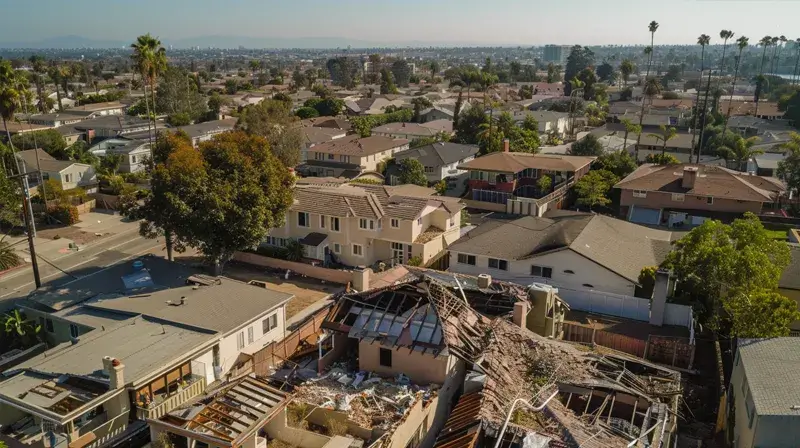
Effective earthquake retrofitting of roofing systems hinges on strategies like bracing, bolting, and reinforcing. These methods fortify the roof structure against seismic forces, significantly enhancing earthquake resistance and overall structural integrity. Bracing adds essential support, while bolting secures connections to the building’s foundation, minimizing weak connections that could lead to costly earthquake damage. Reinforcing roofs with appropriate materials ensures they withstand shaking during seismic events, ultimately providing peace of mind for homeowners in areas prone to earthquakes, like San Diego.
Materials Best Suited for Local Climate and Seismic Activity
Selecting the right materials is essential for enhancing earthquake resilience in San Diego homes. Wood, known for its flexibility, can absorb seismic forces effectively, making it advantageous for retrofitting. Additionally, reinforced concrete offers strength while maintaining a degree of ductility crucial during seismic events. Advanced technologies, such as base isolators, further mitigate earthquake forces by providing a protective barrier. Choosing high-quality, climate-adapted materials not only ensures compliance with local building codes but also significantly reduces the risk of costly earthquake damage.
Get Quotes Today
In conclusion, navigating the intersection of earthquake retrofitting and roof replacement is crucial for ensuring the long-term integrity of homes in San Diego, CA. By understanding the unique seismic risks our beautiful region faces, homeowners can make informed decisions about their investments in safety and durability. Coordinating these two essential services not only enhances structural resilience but also maximizes the benefits of both roof and foundation upgrades. At San Diego County Roofing & Solar, we are committed to using our 30 years of experience to provide top-quality solutions that adhere to California’s building regulations. Get quotes for your commercial projects today and safeguard your property against the unpredictability of earthquakes.
Frequently Asked Questions
Is retrofitting worth it for older homes?
Absolutely. Seismic retrofitting for older homes is a highly valuable investment. It dramatically lowers the risk of severe damage and avoids potentially massive repair costs after an earthquake. The expense of retrofitting is minor compared to the financial and emotional toll of rebuilding a damaged home.
Does seismic retrofit increase home value?
Yes, a seismic retrofit can significantly increase your home value and make it more attractive to buyers. For California homeowners, a retrofitted property signals safety, security, and reduced risk of damage. This provides peace of mind and makes your home a more desirable investment in the real estate market.
Read our blog: Coastal Moisture Threat: Identifying and Repairing Wood Rot and Sheathing Damage Caused by Winter Dampness in Encinitas
Let’s get started on your roofing project!