
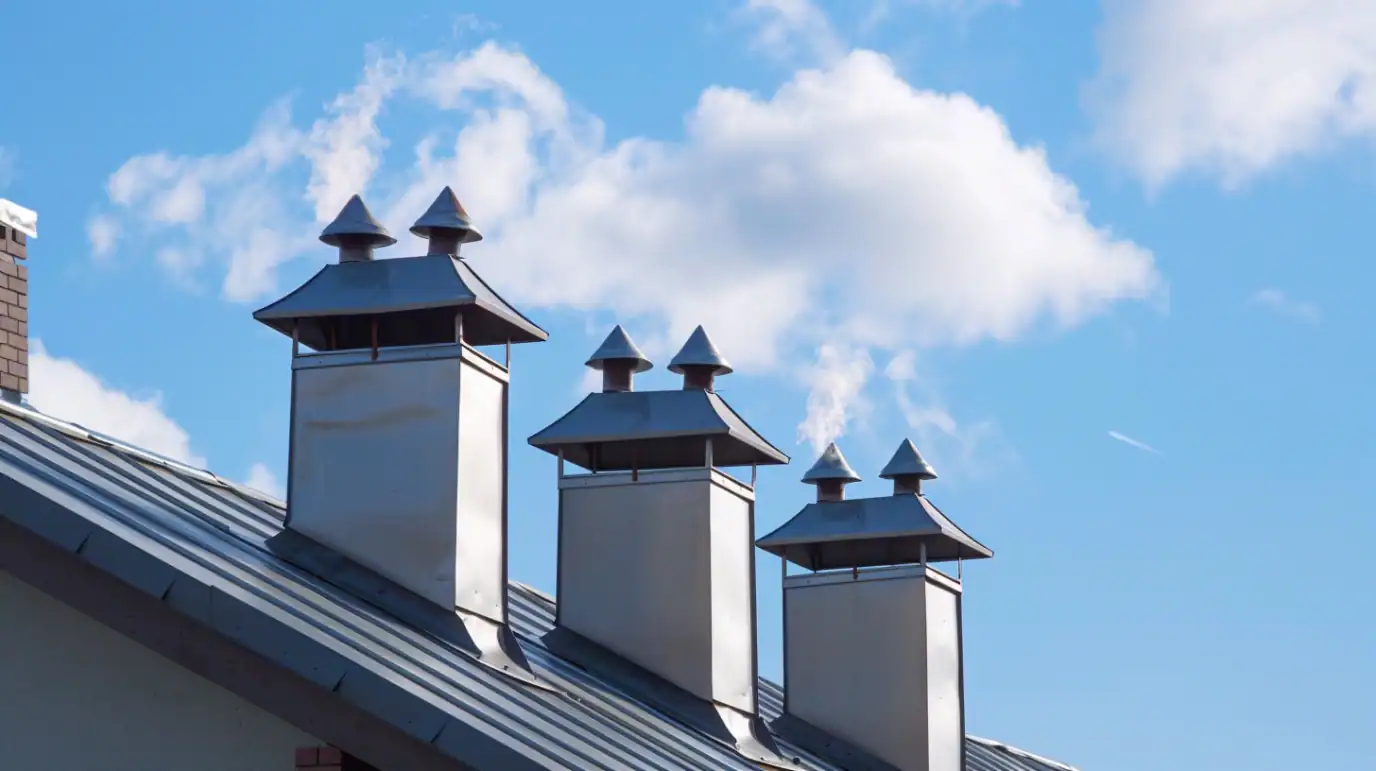
Many homeowners believe that adding more vents, including turbines, is the best way to solve attic heat and moisture problems. However, effective roof ventilation is about balance, not just quantity. Without the right ratio of intake and exhaust, simply increasing airflow can create new issues, from condensation to higher energy bills. As your trusted experts at San Diego County Roofing & Solar, we’ll explain why a balanced attic ventilation system is essential for protecting your home.
Common Roof Ventilation Mistakes
At San Diego County Roofing & Solar, we often see ventilation problems caused by adding more exhaust vents without increasing intake ventilation, including common types like box vents. This is common in older homes with blocked or missing soffit vents, disrupting proper attic airflow. This imbalance pulls warm, moist air from inside your home into the attic, leading to condensation that can damage your roof and insulation. We understand the unique challenges San Diego homes face and how to fix these ventilation issues. Here’s how these mistakes can lead to serious problems.

When More Airflow Causes Moisture
Excessive roof ventilation can cause moisture and insulation problems. Uncontrolled airflow lets warm indoor air meet cold surfaces, leading to condensation under the roof deck. This moisture reduces insulation effectiveness, raising energy bills. Too much ventilation may also create air leaks, letting moist air into the attic and promoting mold growth. Saturated insulation loses efficiency, increasing heating and cooling costs. A balanced HVAC system with properly sized intake and exhaust vents is essential for preventing these issues and preserving your roof’s lifespan.
The Dangers of Misplaced or Excessive Roof Vents
Improper placement or excessive installation of roof vents can cause serious ventilation problems and compromise your home’s integrity. Misaligned intake and exhaust vents disrupt balanced attic airflow, trapping warm air that leads to condensation on the roof deck. Over time, this moisture promotes mold, wood rot, and even structural damage—resulting in expensive repairs and potential issues with leakage. Too many vents can worsen airflow issues, increase the risk of ice dams in cold climates, and reduce energy efficiency. Properly placed ventilation systems optimize airflow across the entire roof, maximizing effectiveness while minimizing risks.
Why Balanced Roof Ventilation Is Essential for Longevity
A well-designed ventilation system for exterior projects is essential for your roof’s health and longevity. Balanced airflow lets cool, dry air enter through intake vents while warm, moist air exits through exhaust vents, regulating temperature and preventing moisture year-round. As a GAF Master Elite Contractor, we stress that balance is crucial. Without it, your roof risks premature aging, structural damage, and mold. Investing in proper ventilation protects your home and extends your roof’s lifespan. Let’s look at how intake and exhaust work together to achieve this balance.
Understanding Intake and Exhaust Stack Dynamics
Effective roof ventilation relies on balanced intake and exhaust systems, creating a stack effect across the underside of the roof deck. Warm indoor air exits through exhaust vents while cooler outdoor air enters via intake vents like soffit or gable vents. Adequate ventilation prevents condensation, humidity, mold growth, and insulation damage. Proper attic ventilation maintains optimal airflow. Excessive ventilation can cause negative pressure, leading to air leaks and moisture problems that weaken the roof structure. Understanding these dynamics keeps your attic dry, energy efficient, and protects both your investment and indoor air quality.
Trust the Experts
In conclusion, balanced roof ventilation, including the use of a ridge vent, is essential for your home’s health and longevity. Too much airflow can cause moisture problems and insulation issues, while misplaced or excessive vents may lead to leaks and mold. With 30 years of experience and GAF Master Elite Contractor status, San Diego County Roofing & Solar ensures proper ventilation tailored to your needs. Contact our team today for expert advice on protecting your roof.
Frequently Asked Questions
Can adding more roof vents actually cause damage?
Yes, adding too many roof vents without balancing your attic ventilation can cause damage. It can lead to negative pressure that pulls in rainwater, causing leaks and moisture buildup. This creates the perfect environment for mold and can lead to attic frost, compromising your roof’s structure.
What immediate steps should I take if I suspect attic insulation is damp?
If you find damp insulation in your attic, avoid quick fixes. The priority is to identify the source of the moisture and ensure the amount of ventilation is adequate. Contact a professional roofer like San Diego County Roofing & Solar to inspect your ventilation system and diagnose whether the issue is a roof leak or condensation.
Read our blog: Solar-Ready Roofing: Flashing, Walk Paths, and Warranty Coordination
Let’s get started on your roofing project!