
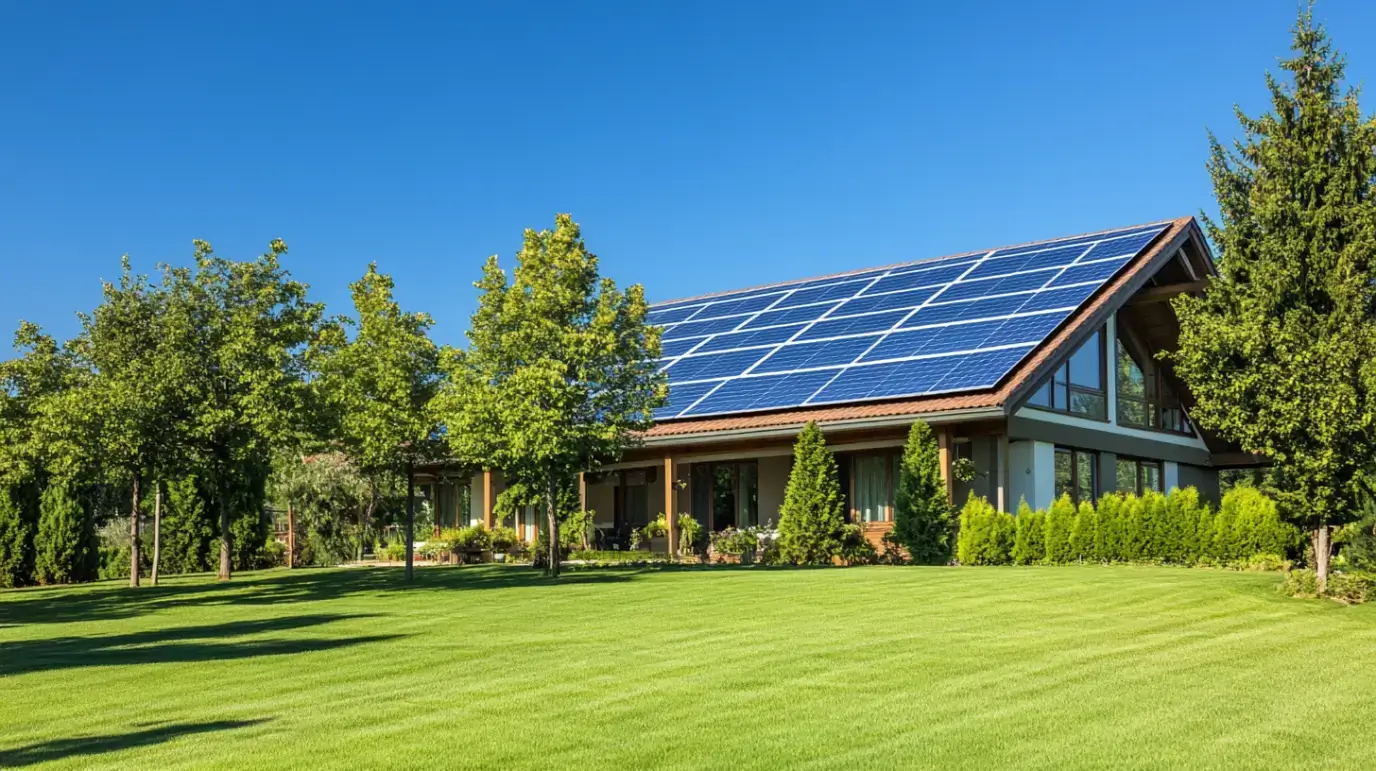
Are you thinking about harnessing the power of the sun for your San Diego home? Switching to solar energy is a smart move, but your roof needs to be prepared. Installing solar panels is more than just placing them on top of your house; it involves ensuring your roof is ready to support them for years to come. At San Diego County Roofing & Solar, we make sure your roof is the perfect foundation for clean, reliable solar power.
What Makes a Roof “Solar-Ready” in San Diego, CA
A “solar-ready” roof is more than just a surface for solar panels—it’s a complete system built to support solar from the start. This includes meeting structural, material, and local San Diego code requirements for energy efficiency and durability, preventing future issues and costly repairs. Planning ahead with a solar-ready roof simplifies installation, protects against leaks, and ensures your system performs optimally for years. We’ll cover the specific standards for solar-ready roofing and why it’s a smart investment for any property owner.

Understanding Solar-Ready Roofing Standards
Solar-ready roofing is built to support solar panels from the start, using proper materials and reinforcements. Without this preparation, you risk leaks, structural problems, and voided warranties. Planning ahead ensures a safe, durable installation. Each roof type needs a specific approach—what works for asphalt shingles won’t suit metal or tile roofs. As a GAF Master Elite Contractor in San Diego, CA, we follow strict standards to meet codes and make your roof solar-ready. Designing your roof for solar now makes future installations easier and avoids expensive retrofits. It’s the smartest way to prepare your home for clean energy.
Importance for Residential and Commercial Properties
Creating solar-ready roofs is essential for both homes and businesses, allowing easy integration of solar energy systems. For homeowners, installing solar panels boosts property value, supports energy independence, and lowers utility bills. Federal tax credits and incentives also reduce upfront costs, making solar adoption more accessible. For commercial properties, solar-ready roofs cut operational costs by using renewable energy to power large facilities. Meeting building codes and manufacturer requirements ensures roof durability and warranty compliance. Ultimately, solar-ready roofs prepare buildings for a clean energy future.
Key Structural Considerations for Solar Integration
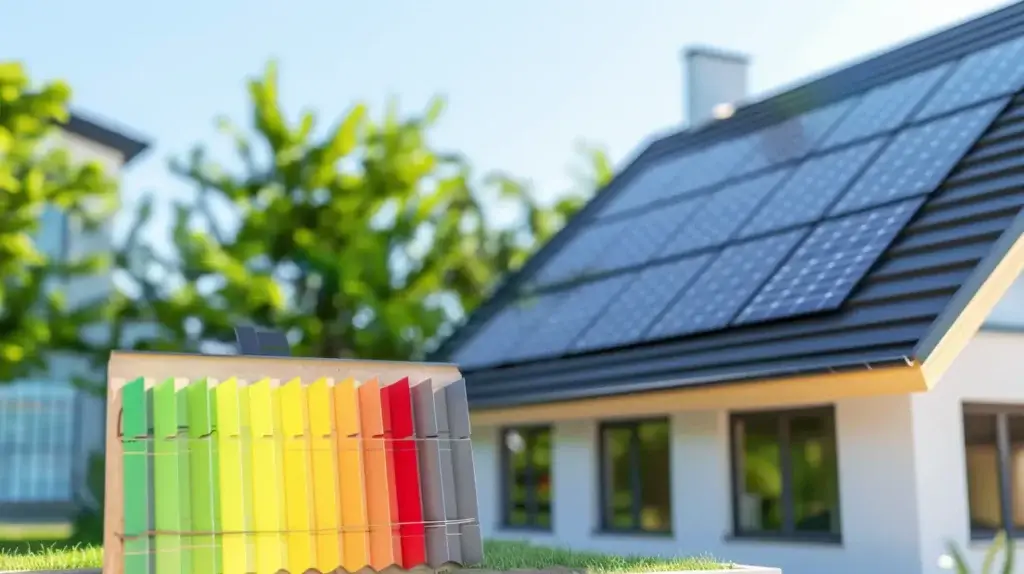
Before installing solar panels, it’s essential to assess your roof’s structural integrity. Solar panels add weight, and older or damaged roofs may not support it safely. A thorough inspection by a qualified contractor like San Diego County Roofing & Solar ensures your roof can handle the system for its full lifespan. This evaluation protects your home and secures your solar investment. We examine your roof’s age, condition, and load-bearing capacity to confirm it’s ready for solar. These steps are crucial for a safe, long-lasting installation.
Assessing Roof Age and Condition
First, we assess your roof’s age and condition. If it’s nearing the end of its lifespan, replacement before solar panel installation is recommended to avoid extra costs for panel removal during future repairs. A thorough inspection checks for leaks or damaged shingles, ensuring a stable, watertight foundation for solar panels. As your trusted San Diego roofing contractor, we make sure your roof is ready for years to come. Coordinating roof replacement with solar installation is the most cost-effective option. It ensures seamless integration, keeps all components under warranty, and eliminates the hassle of removing panels for later repairs.
Evaluating Load-Bearing Capacity and Slope
Your roof must be strong enough to support solar panels, which add 3–5 pounds per square foot. We assess your roof’s load-bearing capacity by examining the deck, rafters, and structure to ensure it can handle the panels plus wind or rain. Roof slope also matters. Most San Diego residential roofs are suitable, but we check the angle for sun exposure and drainage. Commercial flat roofs need extra checks to support ballasted systems without damaging the membrane. Verifying your roof’s structural integrity is essential before installing solar. With over 30 years of experience, our team ensures every roof is solar-ready.

Choosing the Right Roofing Materials for Solar-Ready Projects
Choosing the right roofing material is key for a solar-ready project, especially in sunny regions like Southern California. Some materials are better suited for solar mounts and can last as long as—or longer than—your solar system. Your roofing choice can also impact eligibility for energy-efficient tax incentives. If you’re replacing your roof, consider installing solar at the same time to simplify installation and boost performance. We’ll outline the top roofing options for Southern California and their unique benefits.
Most Compatible Roofing Systems in Southern California
Certain roofing systems work especially well with solar panels in Southern California. Asphalt shingles are affordable and versatile, making them a homeowner favorite. Metal roofs offer durability and strong support for solar mounts. Clay and tile roofs, popular in luxury homes, provide both aesthetic appeal and energy efficiency by reducing heat absorption. Flat roofs on commercial buildings allow easy installation thanks to their large surface area. Knowing these attributes helps ensure smooth solar integration, maximizing energy production and cost savings while maintaining manufacturer warranties.
Longevity and Energy Efficiency Benefits
A solar-ready roofing system boosts longevity and energy efficiency for homes and businesses. Built with durable materials like metal, asphalt shingles, or clay tile, these roofs support solar panels while maintaining structural integrity. A well-designed installation cuts energy costs and maximizes production. Following National Renewable Energy Laboratory standards ensures optimal building performance, prevents hot spots, and preserves warranties. Investing in a solar-ready roof is a smart step toward sustainability, offering long-term savings and access to federal tax credits.

The Role of Flashing in Solar Installations
Flashing is one of the most critical components in any solar installation. Every time a mount is attached to your roof, it creates a roof penetration. Proper flashing seals these penetrations, preventing water from getting into your home and protecting your building envelope. Without it, you risk leaks, water damage, and voided roof warranties. At San Diego County Roofing & Solar, we understand that expert flashing installation is non-negotiable for a successful solar project. We will explain the types of flashing we use and the best practices our experts follow to ensure your roof remains completely watertight.
Types of Flashing for Leak Prevention
Flashing is essential for preventing leaks and preserving a solar-ready roof’s integrity. Common types include step flashing, which overlaps along slopes to ensure water runs off effectively, and apron flashing, which directs water away from vertical surfaces to prevent pooling. Counter-flashing adds an extra layer of protection against water infiltration, enhancing durability. Proper installation is crucial, especially in rainy regions like San Diego. Always choose the right flashing based on roofing material and design to comply with local codes and maintain warranties effectively.
Best Practices for Flashing Installation by Our San Diego Experts
Proper flashing installation requires precision and expertise. As your San Diego roofing contractor, we carefully plan solar mount layouts to minimize penetrations and install each flashing to manufacturer specs and local codes, ensuring a watertight seal. We integrate flashing with roofing materials for layered leak protection. On shingle roofs, flashing is woven into the shingles to divert water away from penetration points—a meticulous step in our 5-star service. Professional leak prevention demands experience in both roofing and solar. With over 30 years in the industry, our team delivers flawless flashing for durable, watertight solar installations.
Implementing Walk Paths on Solar-Ready Roofs
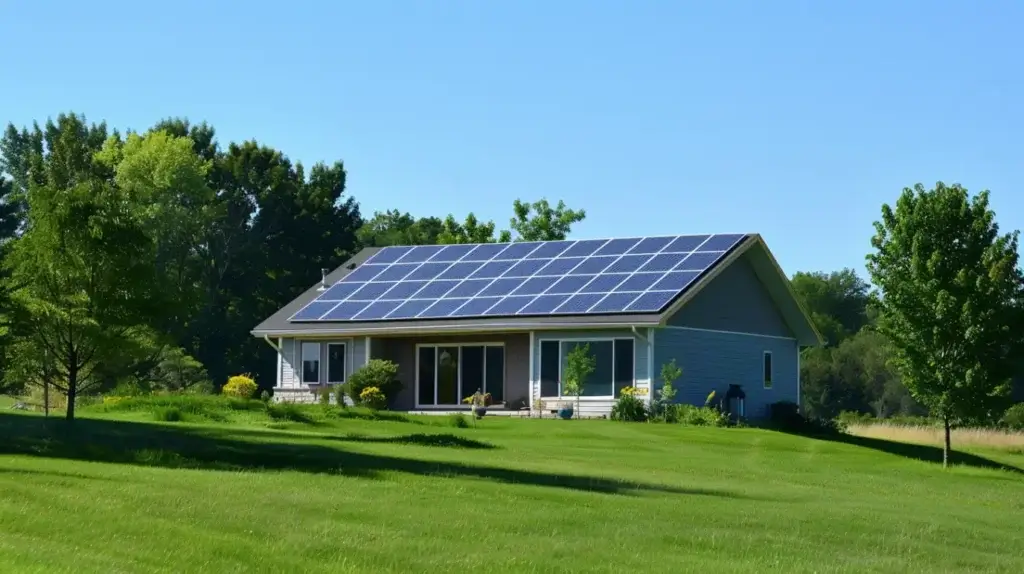
Walk paths are designated routes on your roof for maintenance crews to use without damaging the roofing material or the solar installation. They are especially important on commercial flat roofs but are also beneficial for residential solar roof systems. These paths protect your roof’s surface from foot traffic, preserving its performance and lifespan. Implementing walk paths is a proactive step to ensure the long-term health of your solar roof. They provide safe and clear access for any future maintenance needs. We will discuss how walk paths enhance safety and how we design them to integrate seamlessly with your roof.
Safety and Accessibility for Maintenance Crews
Ensuring safety and accessibility for maintenance crews is essential when designing solar-ready roofs. Integrated walk paths provide easy access and protect the roof’s structure, while clear markings and regular maintenance reduce risks during inspections or repairs. Adding non-slip surfaces and handrails further improves safety on both flat and sloped roofs. Properly distributing the weight of solar panels prevents stress points, extending the lifespan of both the roof and solar system. This approach supports energy efficiency and protects maintenance personnel.
Designing Walk Paths Without Compromising Roof Performance
A well-designed walk path should never compromise your roof’s performance. As your roofing contractor, we plan walk paths to protect drainage and avoid new penetrations. Our materials match your existing roof and preserve its integrity. We ensure clear access around solar arrays and equipment without causing water pooling. Walk pads are placed away from drains, seams, and flashing so water flows off the roof as intended. With San Diego County Roofing & Solar, you get safe, functional walk paths that improve maintenance access without affecting your roof’s performance for years to come.

Coordinating Roof and Solar Panel Warranties
One major concern for homeowners is how a solar installation affects roof warranties. Coordinating your roof and solar panel warranties is essential to stay fully covered. Improper installation can void manufacturer warranties and leave you unprotected. As a roofing contractor specializing in solar, we make this process easy. We understand both roof and solar warranty requirements and ensure all work preserves your coverage. We’ll explain how these warranties work and how we manage them for you.
Understanding Manufacturer and Installer Warranties
Manufacturer and installer warranties are important protections for homeowners and commercial property owners investing in solar-ready roofing. These warranties typically cover defects in materials and workmanship, helping ensure long-term roof quality and integrity. It’s important to distinguish between them—OEM warranties, for example, often require installation by certified contractors to remain valid. Solar panels come with separate warranties that protect against performance loss over time. Coordinating both roofing and solar panel warranties maximizes coverage. Understanding these details helps homeowners confidently pursue energy goals while safeguarding their investment.
Steps for Seamless Warranty Coordination with Us
At San Diego County Roofing & Solar, we simplify warranty coordination. As a GAF Master Elite roofer and expert solar installer, we handle the entire process to maintain your manufacturer warranties. With us, you get a single point of contact for both roofing and solar—no finger-pointing between companies. We follow strict industry standards and document every step to ensure full warranty compliance and protect your investment. By managing both systems, we offer one unified warranty for your roof and solar panels. Enjoy peace of mind knowing your San Diego home is covered by dedicated professionals.
Why Choose Us
Adopting solar-ready roofing standards is crucial for San Diego homeowners and businesses seeking greater energy efficiency and long-lasting performance. Understanding flashing, walk paths, and warranty coordination helps protect your investment. At San Diego County Roofing & Solar, we guide you through every step with expert insights and outstanding service. With over 30 years of experience and GAF Master Elite Contractor status, we deliver quality roofing solutions tailored to your needs. Contact us today to learn how we can help you achieve a solar-ready roof.
Frequently Asked Questions
Does installing solar panels affect my roof warranty?
Yes, a solar panel installation can affect your roof warranty if not done correctly. It is crucial to use a qualified roofing contractor who understands how to perform a solar installation without voiding your coverage. Seamless warranty coordination is key to protecting your investment.
How do walk paths aid solar roof maintenance in San Diego?
Walk paths provide a safe, designated route for maintenance crews on your solar roof in San Diego. They protect the roofing material from foot traffic damage, ensuring your roof and solar panels continue to perform optimally and maintain high energy production for years.
Read our blog: Santa Ana Wind Prep: Securing Edges, Ridges, and Flashing
Let’s get started on your roofing project!