
Starting any roofing work on your San Diego home is a significant investment. Ensuring your chosen contractor adheres to strict CAL/OSHA safety standards is just as important as the quality of the materials. Verifying a roofer’s contractor’s license and their compliance with safety regulations protects you, your property, and the workers on site. This checklist will guide you through the essential steps for vetting your roofer, giving you confidence in your project from start to finish.
Essential Steps for Verifying CAL/OSHA Compliance in San Diego Contractors
The verification process for CAL/OSHA compliance is a critical step that every San Diego, CA homeowner should undertake. It involves checking official records and asking the right questions to confirm your contractor’s commitment to safety practices. This diligence ensures your project runs smoothly and safely, protecting everyone involved from potential risks and liabilities.
Following a clear set of steps makes this process straightforward. From confirming licenses to reviewing safety protocols, you can systematically assess a contractor’s qualifications. The next sections will break down exactly what to look for and what to ask to ensure your roofer meets all state and local requirements.
Collecting Necessary Licenses and Safety Certificates
Assessing the credentials of a roofing contractor involves a meticulous examination of their licenses and safety certificates. Verification through the California Contractors State License Board (CSLB) ensures that the contractor holds an active license number and complies with state regulations. Additionally, collecting crucial safety certificates, such as proof of insurance and liability insurance, provides peace of mind regarding safety practices. Focus on obtaining documentation that outlines the contractor’s qualifications, as this reflects ongoing commitment to industry standards and a safe working environment.
Confirming Partnership with GAF and Award Standards
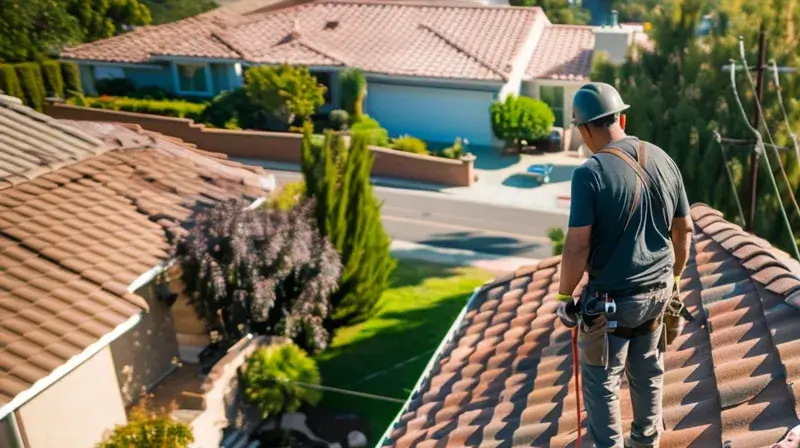
In addition to state licensing, pursue certifications like GAF Master Elite—awarded to top contractors who meet rigorous standards. At San Diego County Roofing & Solar, we hold this distinction, recognized for exceptional workmanship and professionalism.
GAF Master Elite certification ensures expertise in proper installation, maximizing your roof’s durability and warranty coverage. Choosing a certified contractor gives you added peace of mind.
Benefits include:
- Superior workmanship
- Enhanced warranty options
- Expert training and installation
- Consistent customer satisfaction (5-star Google reviews)
Key Documents Proving CAL/OSHA and Local Legal Compliance
Verifying a contractor’s commitment to CAL/OSHA and local legal compliance goes beyond verbal assurances. You need tangible proof, which comes in the form of specific documents. These papers demonstrate that the contractor has the necessary protections and plans in place to handle your project safely and professionally.
Asking for proof of insurance coverage, valid permits, and safety manuals should be a standard part of your vetting process. These documents are clear indicators of a contractor’s reliability and their dedication to operating a safe and compliant business. The following sections will detail which key documents you should request and review before signing any contract.
Valid Insurance, Workers’ Compensation, and Permits
Verifying valid insurance, workers’ compensation, and necessary permits fosters a secure working environment. Request the contractor’s certificate of insurance to ensure adequate liability coverage in adherence to California state regulations. Additionally, obtaining proof of workers’ compensation insurance protects you against potential issues stemming from work-related injuries. Always confirm that all required permits from the local building department are up-to-date, reflecting the contractor’s compliance with both CAL/OSHA standards and industry regulations specific to the construction project at hand.
Evaluating Roofer’s Safety Manuals and Recent Audit Reports
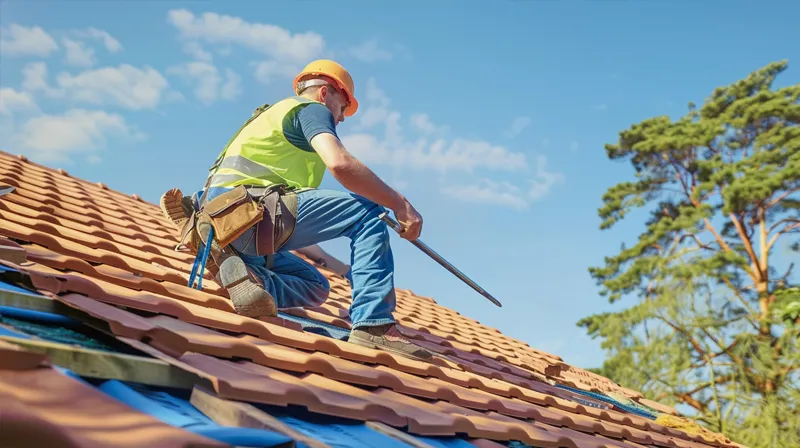
Reviewing a roofer’s safety manuals is crucial for ensuring adherence to safety regulations and industry standards. These documents should detail safety protocols, fall protection measures, and the qualifications of a competent person overseeing operations. Recent audit reports provide insight into the contractor’s performance and compliance history, highlighting any disciplinary actions or potential issues. Accessing these records can be efficiently done via the California Contractors State License Board (CSLB) website, offering peace of mind that the contractor maintains an active license and good standing.
Pre-Contract Interview Questions for Your Roofer
Once you have reviewed the necessary documents, conducting a pre-contract interview is your next step. This conversation is your opportunity to gauge the contractor’s qualifications, attitude toward safety, and overall professionalism. Asking targeted interview questions helps you understand how they will manage your project and ensure a safe work environment.
A contractor’s responses can reveal a lot about their experience and their commitment to safe practices. A professional will welcome your questions and provide clear, confident answers. The following sections offer specific questions you should ask to evaluate a contractor’s performance history and on-site safety procedures before you make your final decision.
Inquiring About Incident History and Safety Practices
Understanding a contractor’s incident history is crucial when assessing their safety practices. Requesting a detailed account of previous accidents or disciplinary actions provides insight into their adherence to safety regulations. Evaluation of these incidents helps gauge their commitment to fostering a safe working environment. Furthermore, discussing their safety protocols and training for workers can reveal how well they implement federal OSHA standards and CAL/OSHA guidelines. This inquiry not only ensures compliance but also enhances your peace of mind throughout the roofing project.
Discussing CAL/OSHA Site Procedures and Crew Training
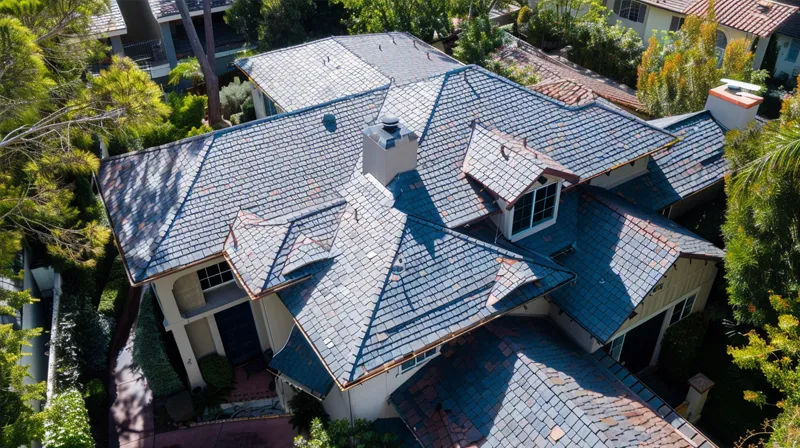
Understanding CAL/OSHA site procedures is paramount for ensuring compliance during a roofing project. A competent person should lead the construction team, implementing safety protocols that align with both state regulations and federal OSHA standards. Discussing crew training is crucial, as employees must be familiar with safety systems and emergency procedures. Verification of their qualifications, such as completion of safety courses and certifications, contributes significantly to maintaining a safe working environment and protects against potential issues related to occupational safety.
What`s Next
Ensuring compliance with CAL/OSHA regulations is paramount in the roofing industry, particularly in San Diego, CA. By following a detailed verification process, homeowners can engage licensed contractors who prioritize safety and quality workmanship. This proactive approach not only minimizes risks on the construction site but also fosters confidence in the contractor’s qualifications, ultimately leading to a successful roofing project. Prioritizing these compliance checks provides peace of mind, safeguarding both the roof and the individuals involved in the work.

Frequently Asked Questions
Can a contractor work without a license in California?
In California, a contractor cannot legally perform work on a project valued at $500 or more (including labor and materials) without a valid contractor license. The Contractors State License Board (CSLB) enforces this rule to protect consumers and ensure professional standards in the work area.
How do I verify a contractor?
You can easily verify a contractor by using the CSLB license lookup tool on the official CSLB website. Simply enter the contractor’s license number or business name to check their license status, bond, and workers’ compensation insurance information instantly.
Read our blog: Rainy Day Leaks: 5 Underrated Signs Your Older Roof in South Park or Normal Heights Needs Immediate Rain-Season Attention
Let’s get started on your roofing project!