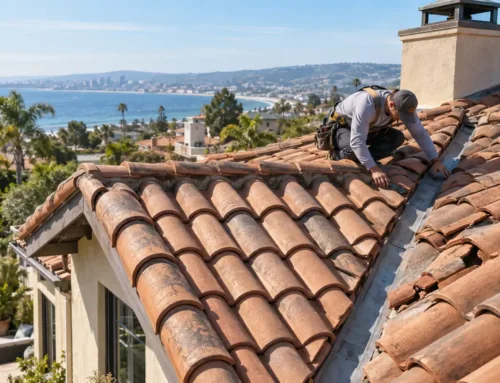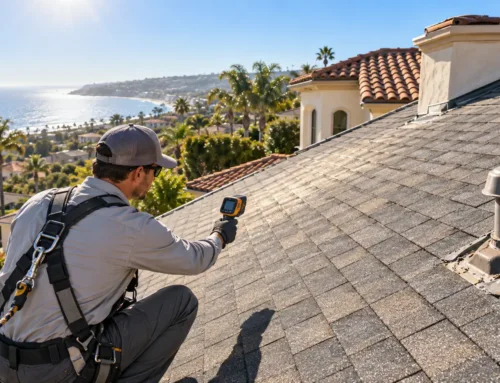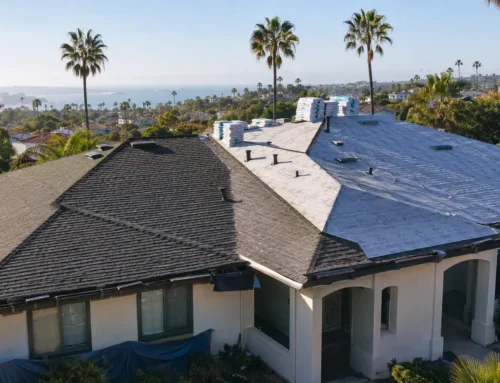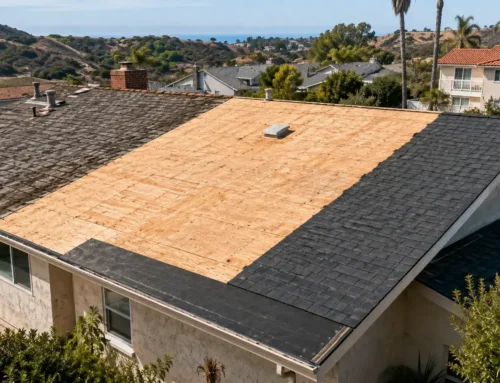
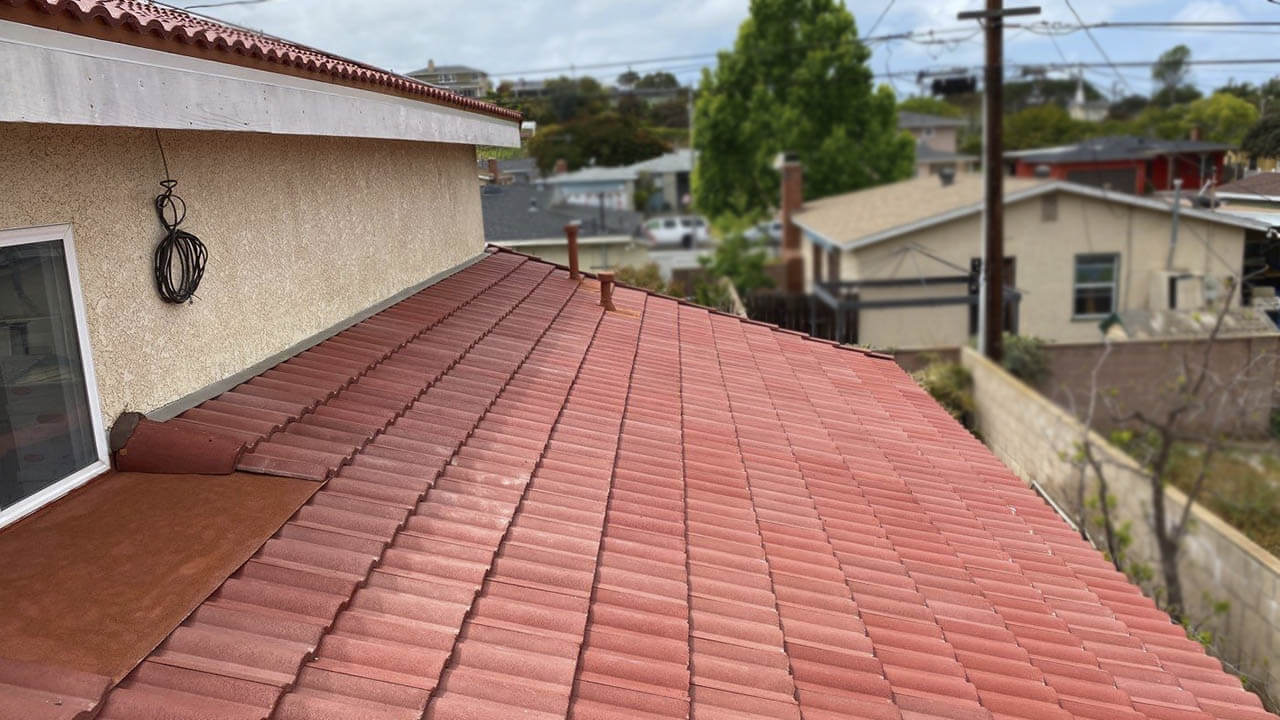
A new tile roof in California is a major investment, but it can also be one of the most durable and attractive roofing choices for a home. Tile roofing is popular across San Diego County because it fits the Southern California style, performs well in sunny weather, and can last for decades when installed correctly.
For many California homeowners, a full tile roof replacement can cost anywhere from about $20,000 to $50,000 or more, depending on the size of the roof, the type of tile, the condition of the roof deck, the underlayment, the slope, access, labor, permits, and the complexity of the installation. On a per-square-foot basis, many tile roof projects fall somewhere around $12 to $25+ per square foot installed, but the only accurate number comes from an on-site roof estimate.
The reason the range is so wide is simple: no two tile roofs are exactly the same. A smaller, simple concrete tile roof may cost far less than a large Spanish tile roof with steep slopes, multiple valleys, damaged decking, custom flashing, solar coordination, or structural upgrades.
What Affects the Cost of a New Tile Roof?
The biggest cost factor is roof size. Roofers usually measure roofing projects in “squares,” and one roofing square equals 100 square feet. A larger roof requires more tile, more underlayment, more flashing, more labor, and more disposal, so the total project cost rises quickly as roof area increases.
The roof’s shape also matters. A simple roof with easy access is usually less expensive to install than a roof with steep pitches, several levels, dormers, valleys, chimneys, skylights, or complicated ridge lines. These details require more cutting, more flashing, more time, and more careful waterproofing.
Material choice is another major factor. Concrete tile is often more cost-effective, while clay tile usually costs more but offers a classic California look and long-term durability. Specialty profiles, premium colors, lightweight tile, custom trim pieces, and imported materials can increase the final price.
The condition of the existing roof also affects cost. If the old roof must be torn off, hauled away, and disposed of, that adds labor and disposal fees. If the roof deck has water damage, dry rot, soft plywood, or structural issues, those repairs must be addressed before the new tile system is installed.
Concrete Tile vs. Clay Tile Cost
Concrete tile is one of the most common choices for California homes because it offers durability, strong curb appeal, and a lower price point than many clay tile systems. It is available in different shapes, colors, and profiles, making it a flexible option for many San Diego homes.
Clay tile usually costs more, especially for traditional barrel, Spanish, Mission, or premium profiles. Many homeowners choose clay because of its appearance, longevity, and natural fit with Mediterranean, Spanish-style, and coastal architecture. However, clay tile can be more fragile during handling and may require more skilled installation.
Both materials can perform well in California, but the right choice depends on the home’s structure, budget, style, climate exposure, and long-term maintenance goals. A professional roofing contractor can help determine whether concrete, clay, or another tile option makes the most sense for your roof.
Why Underlayment Is So Important on Tile Roofs
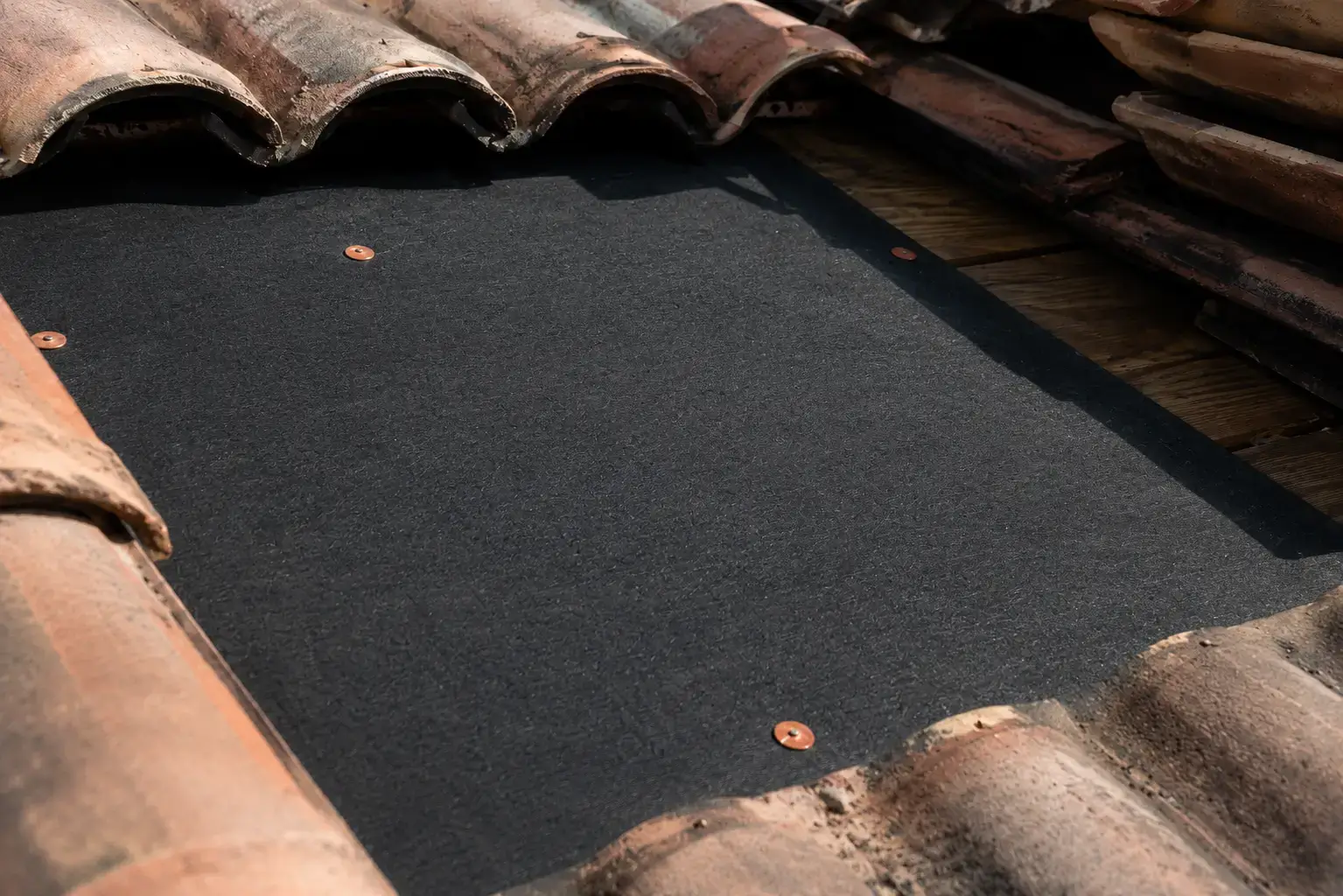
Many homeowners focus on the visible tile, but the underlayment beneath the tile is one of the most important parts of the roofing system. The tile protects the roof from sun, impact, and weather exposure, but the underlayment is the layer that helps keep water out of the roof deck.
In San Diego and other parts of California, tile can still look good from the street while the underlayment underneath is aging, brittle, cracked, or no longer reliable. This is one reason older tile roofs can leak even when the tiles themselves appear to be in decent condition.
When pricing a new tile roof, the quality of the underlayment matters. Better underlayment, improved flashing details, and proper installation can increase the upfront cost, but they can also help reduce leak risk and extend the life of the roof system.
Do You Need a Full Tile Replacement or a Lift-and-Relay?
Not every tile roof needs brand-new tile. In some cases, the existing tile is still usable, but the underlayment underneath has reached the end of its service life. When that happens, a lift-and-relay may be an option.
During a lift-and-relay project, the existing tiles are carefully removed and set aside. The old underlayment is replaced, flashing details are repaired or upgraded, damaged wood is addressed, and the usable tiles are reinstalled. This can be a practical option when the tile is still in good condition and the main problem is the waterproofing layer below it.
A full tile roof replacement is usually the better choice when the tile is badly damaged, the profile is discontinued, too many pieces are broken, the roof design needs major changes, or the homeowner wants a new color, style, or material.
California Code, Permits, and Structural Considerations
California roofing projects may involve permit requirements, building code rules, energy standards, and structural considerations. In San Diego, permit requirements can depend on whether the roof structure, sheathing, framing, or material weight changes. The City of San Diego notes that permits are required for certain roof covering renewals, including situations involving structural framing, roof sheathing, or replacement with a heavier roofing material.
Tile is heavier than asphalt shingles, so structural capacity matters. If a homeowner is switching from shingles to tile, the roof framing may need to be evaluated to confirm it can handle the additional weight. This is especially important for older homes.
California energy rules can also affect material selection. Cool roof requirements vary by climate zone, roof slope, building type, and project scope. The Cool Roof Rating Council summarizes California Title 24 roofing requirements, and California guidance recognizes cool roofs as products designed to reflect more sunlight and absorb less heat.
Is Tile Roofing Worth the Cost?
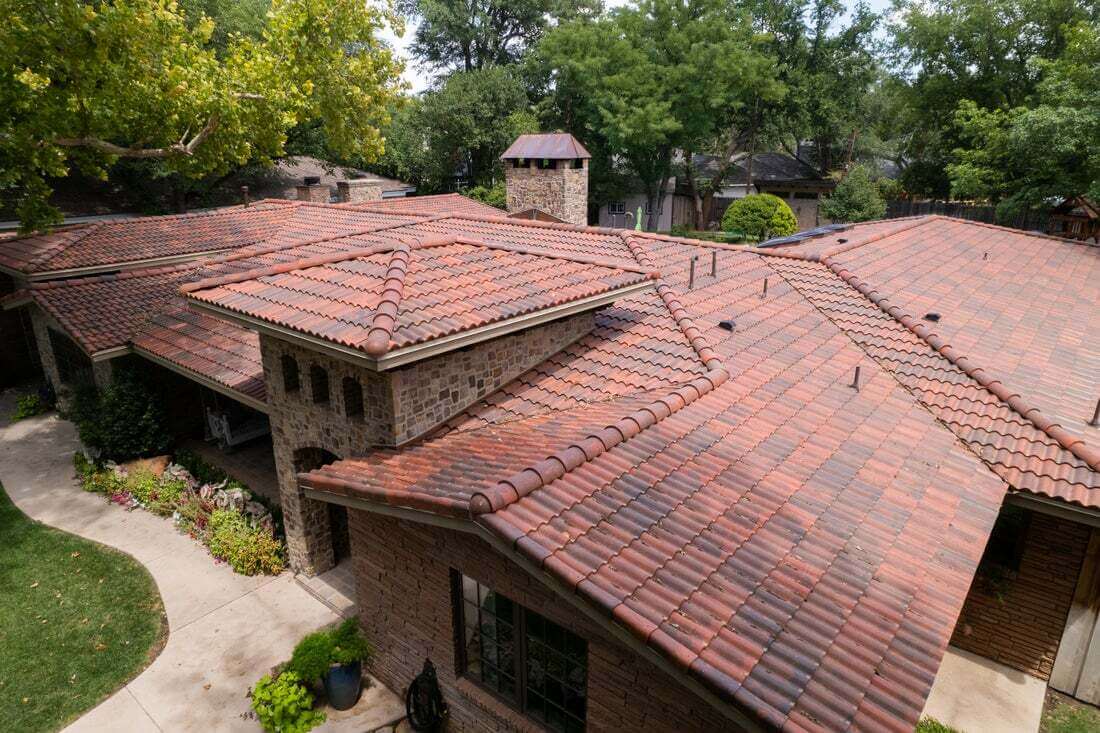
Tile roofing costs more upfront than many asphalt shingle roofs, but it can be a strong long-term investment for California homeowners. Tile offers excellent curb appeal, good performance in sunny climates, and a long service life when the roof system is installed and maintained correctly.
The key is to look beyond the price of the tile itself. A good tile roof depends on proper underlayment, flashing, ventilation, drainage, fastening, ridge details, valley work, and installation quality. A cheaper estimate may not be a better value if it leaves out important details or uses lower-quality materials.
For homeowners planning to stay in their home for many years, tile can be especially attractive. It may also be a smart choice before installing solar panels, because it is usually better to address roof age, underlayment condition, and flashing before panels are mounted.
Get a Tile Roof Estimate in San Diego County
The best way to know how much your new tile roof will cost is to schedule a professional roof estimate. Online averages can help with early budgeting, but they cannot account for your roof size, slope, access, decking condition, tile choice, underlayment, permits, solar plans, or hidden damage.
San Diego County Roofing & Solar installs and replaces tile roofs throughout San Diego County. Whether you need concrete tile, clay tile, underlayment replacement, a lift-and-relay, roof repair, or a full tile roof replacement, our team can inspect your roof and explain your options clearly.
Call 855-732-6868 or request a tile roof estimate today.
Frequently Asked Questions About Tile Roof Costs in California
How much does a new tile roof cost in California?
Many full tile roof replacements in California cost between $20,000 and $50,000 or more, depending on roof size, tile type, labor, underlayment, roof complexity, permits, and repairs. Smaller or simpler projects may cost less, while large or complex roofs can cost significantly more.
How much does tile roofing cost per square foot?
A common budget range for tile roofing is about $12 to $25+ per square foot installed. Concrete tile is usually on the lower end, while clay tile, premium profiles, steep roofs, and complicated installations may cost more.
Is concrete tile cheaper than clay tile?
Yes, concrete tile is usually less expensive than clay tile. Clay tile often costs more because of the material, style, handling, and installation requirements. Both options can work well in California when installed correctly.
Why is tile roofing more expensive than shingles?
Tile roofing typically costs more because the materials are heavier, installation is more labor-intensive, flashing details are more complex, and the roof structure may need to support additional weight. Tile roofs also require careful underlayment and water management.
Can I reuse my existing roof tiles?
Sometimes. If the existing tiles are still in good condition, a lift-and-relay may allow the tiles to be removed, the underlayment replaced, and the same tiles reinstalled. This depends on tile condition, breakage, availability of replacement pieces, and the roof’s overall condition.
Does a tile roof need underlayment?
Yes. Underlayment is essential on a tile roof. The visible tile sheds water and protects the roof surface, but the underlayment is the waterproofing layer that helps protect the roof deck from leaks.
Do I need a permit for a tile roof replacement in San Diego?
It depends on the project scope. Permit requirements may apply when structural framing, roof sheathing, heavier materials, or other code-related conditions are involved. A licensed local roofing contractor can help determine what your project requires.
Is tile roofing a good choice for San Diego homes?
Yes. Tile roofing is a popular choice in San Diego because it fits the local architecture, handles sun exposure well, and can provide long-term performance. The best results depend on proper installation, quality underlayment, correct flashing, and regular inspections.