
Roof Maintenance San Diego, CA | San Diego County Roofing & Solar
San Diego County Roofing & Solar provides focused roof maintenance for homeowners, business owners, and property managers throughout San Diego, CA. Our goal is to protect your roof’s condition, prevent leaks, reduce damage, and support long-term performance.
San Diego’s climate is mild, but roofs still face intense UV exposure, coastal salt, wind, debris, and sudden rain. Proper maintenance addresses these stresses before minor wear becomes costly repairs or roof repairs. Contact our team to schedule a visit and receive a free estimate.
Why Roof Maintenance Matters in San Diego
Routine maintenance allows a roofing professional to inspect vulnerable areas, remove debris, check drainage, and document changes. Loose sealant, missing shingles, cracked tile, granules in gutters, or a minor tear can remain hidden until water enters the building.
Preventative maintenance supports safety, longevity, and predictable cost, while helping the roof serve as a first line of defense against avoidable damage. It helps owners plan ahead instead of reacting to an unexpected leak.

Maintenance Built for the San Diego Climate
A useful plan must reflect local conditions. San Diego roofing materials receive strong sun exposure that can dry sealants and accelerate movement. Wind can lift edges or carry branches onto the roof. Coastal homes may need more frequent inspection because salt affects exposed metal.
After heat, wind, or heavy rain, have the roof inspected for changes not visible from the ground.
What Our Roof Maintenance Service Includes
Every project is based on roof size, slope, access, materials, age, installation details, the roof’s current condition, and the owner’s budget, so the service can be adjusted to the roof type and what it actually needs. Our roofing services remain centered on practical maintenance, not a generic checklist.
We also account for roof-system accessories where they affect performance or finishing details, and we offer maintenance recommendations based on the roof’s condition rather than a one-size-fits-all checklist.
Typical maintenance may include:
- Removing leaves, branches, and loose debris
- Inspecting drainage paths, gutters, and low areas
- Checking sealants, flashing, penetrations, and exposed edges
- Looking for UV, wind, moisture, and salt-related damage
- Documenting wear and recommending an appropriate schedule


Debris Removal and Moisture Prevention
Leaves and debris can trap moisture against roofing materials. On low-slope areas, they may block water and create standing water. Removal helps prevent deterioration, algae, and conditions that contribute to mold.
We use methods suited to the roof material and avoid aggressive pressure washing, which can damage shingles, tile surfaces, coatings, and seals.
Gutter and Drainage Maintenance
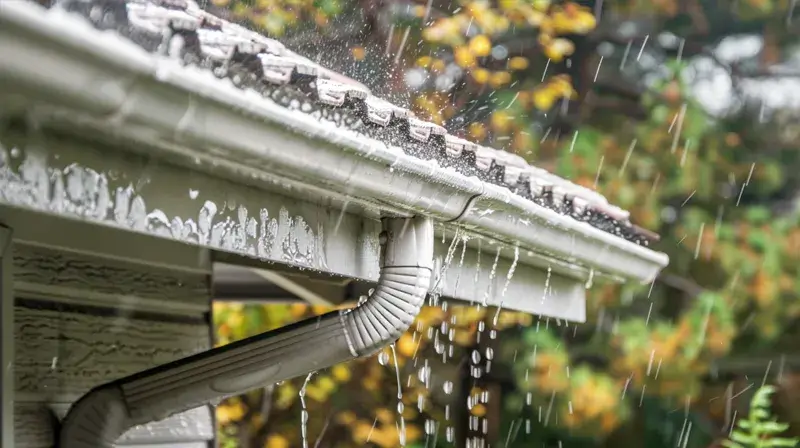
Cleaning gutters is essential for roof maintenance in San Diego. Blocked gutters can overflow and direct water toward fascia, walls, or roof edges. Flat roofs need inspection for standing water, blocked drains, and sediment.
Good drainage keeps water moving away from the building and reduces the chance of leaks.
Sealant, Flashing, and Penetration Checks
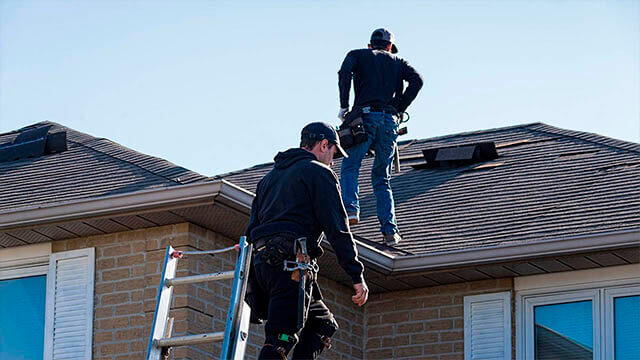
Sealants and flashing wear around transitions and penetrations. Sun can make sealant brittle, while movement creates openings. We inspect these areas and identify deterioration before water enters the assembly.

Tile and Clay Roof Maintenance
Tile roofs are durable, but clay or concrete tile still needs maintenance. We check for cracks, displacement, blocked channels, worn sealant, exposed fasteners, and foot-traffic damage.
Because tile is brittle, safe access and careful craftsmanship matter. A professional should inspect it rather than having untrained workers walk across the surface.

Let’s get started on your roofing project!
To get started with a free estimate and consultation, fill out the form below.

Asphalt Shingles Maintenance
Asphalt shingles can last for decades with proper maintenance. They are one of several roofing types owners consider when balancing appearance, performance, and long-term upkeep. We look for missing shingles, lifted edges, cracking, exposed fasteners, uneven wear, and excessive granules in gutters.
Granule loss may indicate aging or UV-related deterioration, especially on highly exposed roof slopes.

Slate Roof Maintenance
Slate can last a lifetime with proper installation and maintenance. Properly installed and maintained slate can reduce how often owners need to replace roof components over time. We look for cracked, slipped, or damaged pieces, debris buildup, and vulnerable attachment points while using access methods that protect the surface.

Metal Roof Maintenance
A metal roof is durable and energy efficient, but it still needs upkeep. We check seams, fasteners, sealants, debris, drainage, and coastal corrosion.
Flat Roof Maintenance
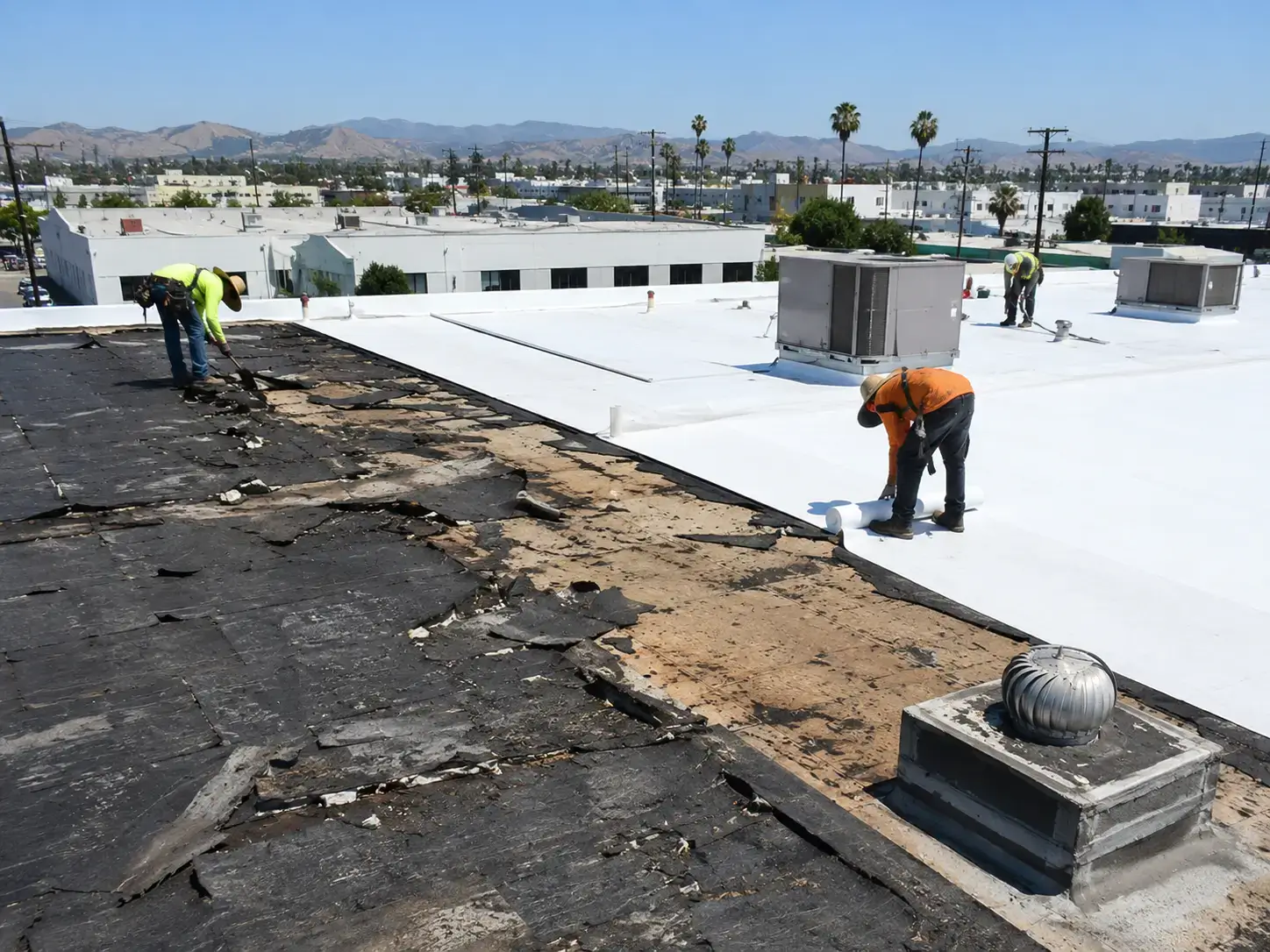
Flat and low-slope roofs need close drainage attention. We inspect for standing water, clogged outlets, surface wear, open seams, punctures, and debris. Small drainage issues can affect a large area.
We’re Setting the Standard for Roofing & Solar Customer Service
Attic Ventilation and Roof Longevity
Maintaining attic ventilation can help manage heat and moisture beneath the roof. Poor airflow may increase heat buildup, encourage condensation, and place extra stress on roofing materials.
During a maintenance visit, visible ventilation concerns can be noted so the property owner can determine the next step.
Trees, Wind, and Wildfire Exposure
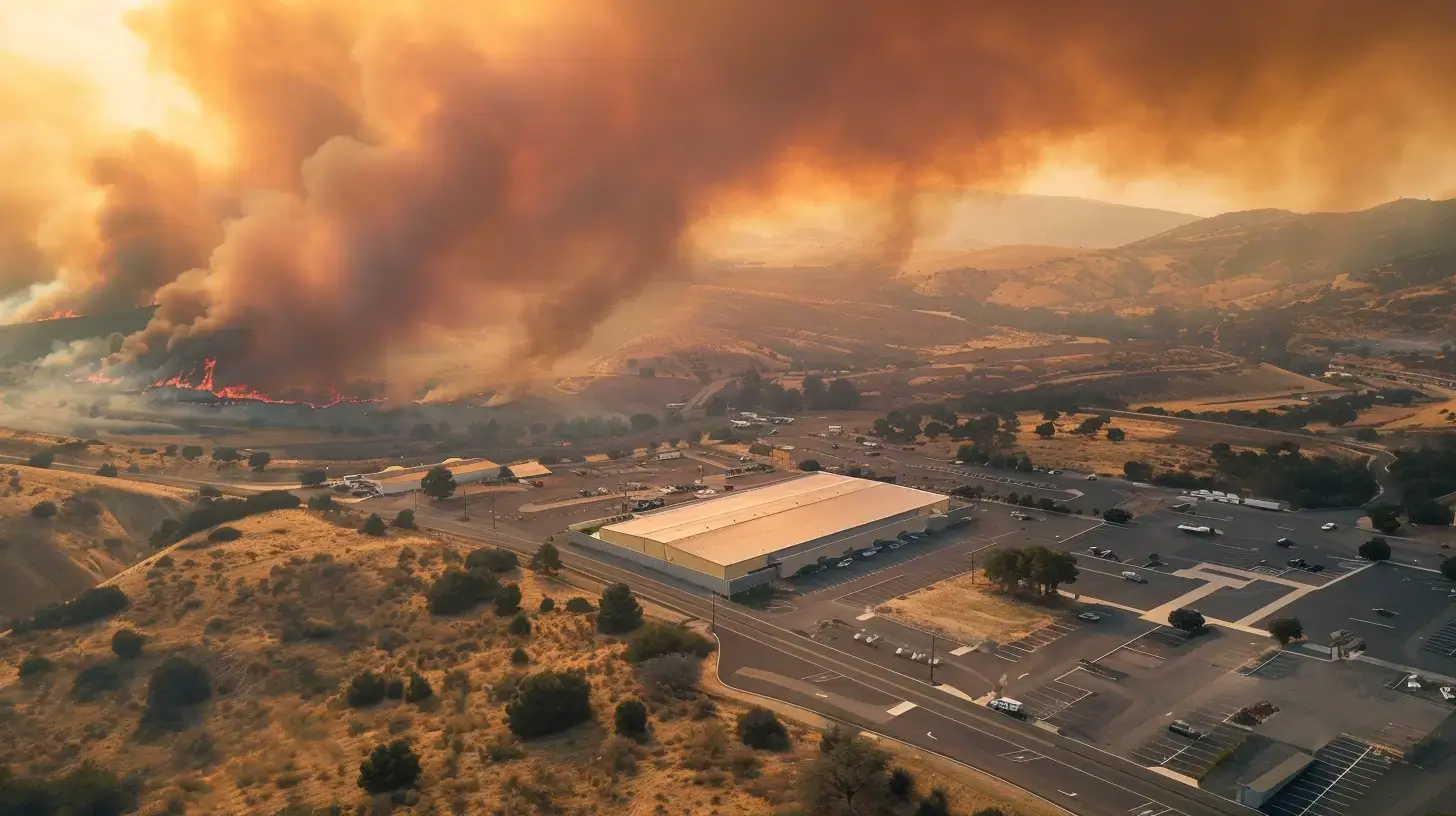
Overhanging branches can scrape the roof, drop debris, and break in high winds. Trimming helps prevent damage. In areas exposed to wildfires, removing dry leaves and needles reduces combustible buildup.

How Often Should Roof Maintenance Be Scheduled?
Most roofs should be inspected and maintained at least twice a year, and scheduling service on time helps catch wear before it spreads. Spring maintenance addresses debris and drainage; fall maintenance prepares for rain.
Coastal properties, shaded roofs, large commercial roofing areas, and tree-covered buildings may need a tighter schedule.
When to Schedule Maintenance Right Away
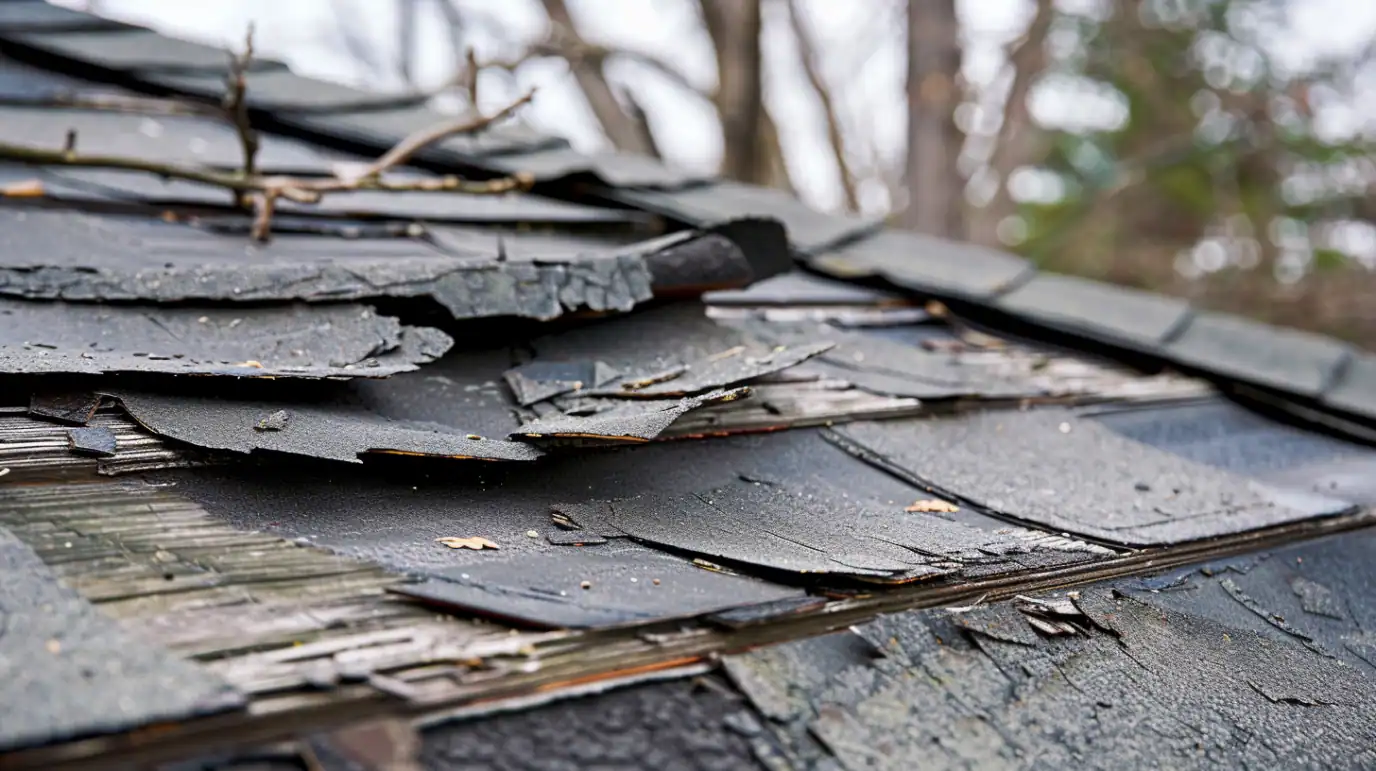
Do not wait for visible interior damage. Some issues need to be handled quickly to limit water intrusion and further damage, so contact a contractor when you notice loose material, cracked tile, missing shingles, clogged gutters, ponding water, damaged sealant, unusual debris, or a change after strong winds.
A maintenance inspection can determine whether the condition is normal wear or a developing vulnerability that requires attention.
What Determines Roof Maintenance Cost?
Maintenance cost depends on roof size, access, slope, material, height, debris, and drainage complexity. A residential roofing system may need a different scope than a large business property or commercial roofing system.
We provide an affordable, clear estimate before the project begins. For larger scopes, ask about applicable financing options, warranties, and scheduling.
Choosing a Qualified Roofing Contractor
When you hire among roofing contractors, roofers, local roofers, or roofing specialists, the decision should involve more than price. Confirm the contractor is licensed and insured, and check how long the company has been licensed—for example, whether it has been licensed since 2002—review safety and scope, and expect clear communication.
Quality maintenance depends on professional judgment, careful access, documentation, and craftsmanship. Reviews help homeowners determine whether companies communicate well and follow through.
Our Roof Maintenance Process
1. Property and Roof Review
We gather basic information about the building, roof age, materials, known concerns, and previous maintenance.
2. Detailed Roof Inspection
Our team inspects accessible roof areas, drainage, flashing, sealants, penetrations, edges, and visible wear. We also note climate-related issues such as UV damage, wind exposure, and coastal salt.
3. Maintenance Work
We complete the agreed maintenance tasks using methods appropriate for tile, clay, asphalt shingles, metal, or flat roofing materials, so the job is done carefully and correctly.
4. Findings and Future Schedule
You receive a clear summary of the roof’s condition, completed work, and a recommended maintenance schedule. Good communication makes it easier to plan, prevent unexpected expenses, and have peace of mind about what comes next.
Why Choose San Diego County Roofing & Solar?
San Diego County Roofing & Solar offers local knowledge, service-specific attention, and a practical approach to roof care. Many owners trust companies that show long experience and clear local coverage. Our San Diego roofing experts understand how local sun, wind, coastal air, trees, and seasonal rain affect different materials.
We assist homeowners, business owners, and property management companies who want a provider they can trust for dependable maintenance. Our focus is protecting the existing roof through inspection, preventive work, and useful documentation.
Schedule Roof Maintenance in San Diego, CA
Protect your roof before small issues become expensive damage. Schedule maintenance with San Diego County Roofing & Solar for a professional evaluation, clear scope, and free estimate.
Contact our team by phone today to set a maintenance schedule for your San Diego County property.
When you’re ready to start a roofing project, talk with our team.