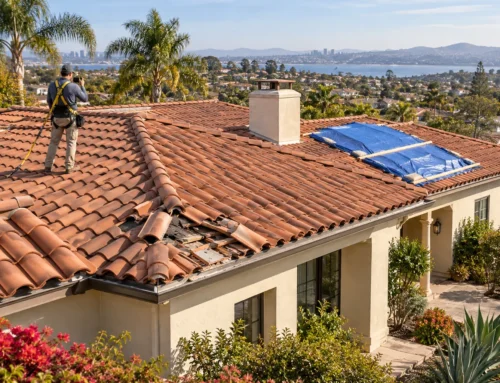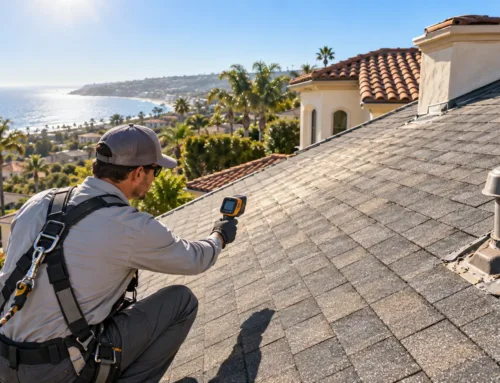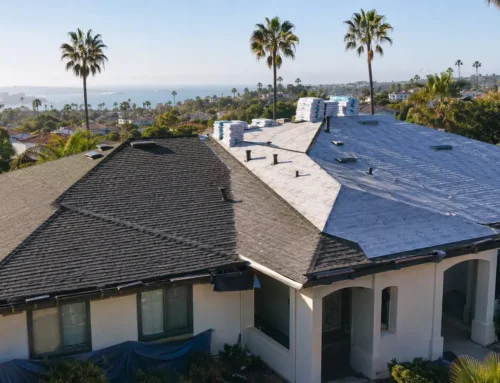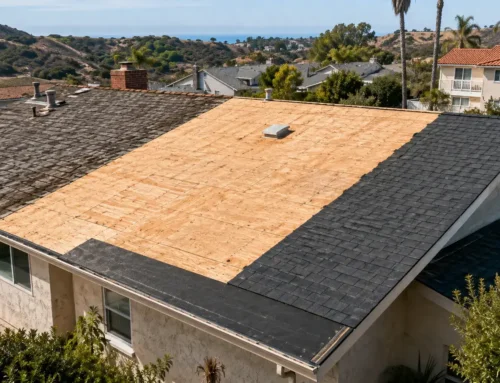

The cheapest time of year to replace a roof depends on contractor availability, seasonal demand, weather conditions, and roofing materials. In San Diego, California, homeowners can sometimes secure better pricing during slower scheduling periods, particularly in late winter and early spring. At San Diego County Roofing & Solar, we help residential and commercial property owners evaluate roof replacement costs, installation conditions, and scheduling opportunities to make cost-effective decisions without compromising long-term roof performance.
What Is the Cheapest Time of Year to Replace a Roof?
Late winter and early spring — typically January through March — can offer opportunities for lower roof replacement quotes in San Diego. However, discounts are not guaranteed, and winter rainfall can delay installation.
For homeowners seeking the best combination of affordability, predictable weather, and installation efficiency, late spring through early fall may provide better overall value.
The distinction is important: the month with the lowest contractor quote is not necessarily the month with the lowest total project cost.
A roofing project completed during favorable weather may avoid scheduling disruptions, temporary waterproofing expenses, and additional labor associated with unexpected rain.
We recommend comparing contractor estimates across several available installation dates rather than assuming one season will always be cheaper.
How San Diego’s Climate Affects Roof Replacement Costs
San Diego’s Mediterranean climate creates different roofing conditions than those experienced in colder states.
According to the National Weather Service’s San Diego climate data, approximately 85% of the city’s rainfall occurs between November and March. Annual precipitation averages roughly 10 inches near the coast, although rainfall increases farther inland and at higher elevations.
Национальная метеорологическая служба
This seasonal pattern significantly influences roofing schedules.
During the dry season, contractors generally have more predictable opportunities to remove existing roofing, inspect decking, install underlayment, and complete waterproofing.
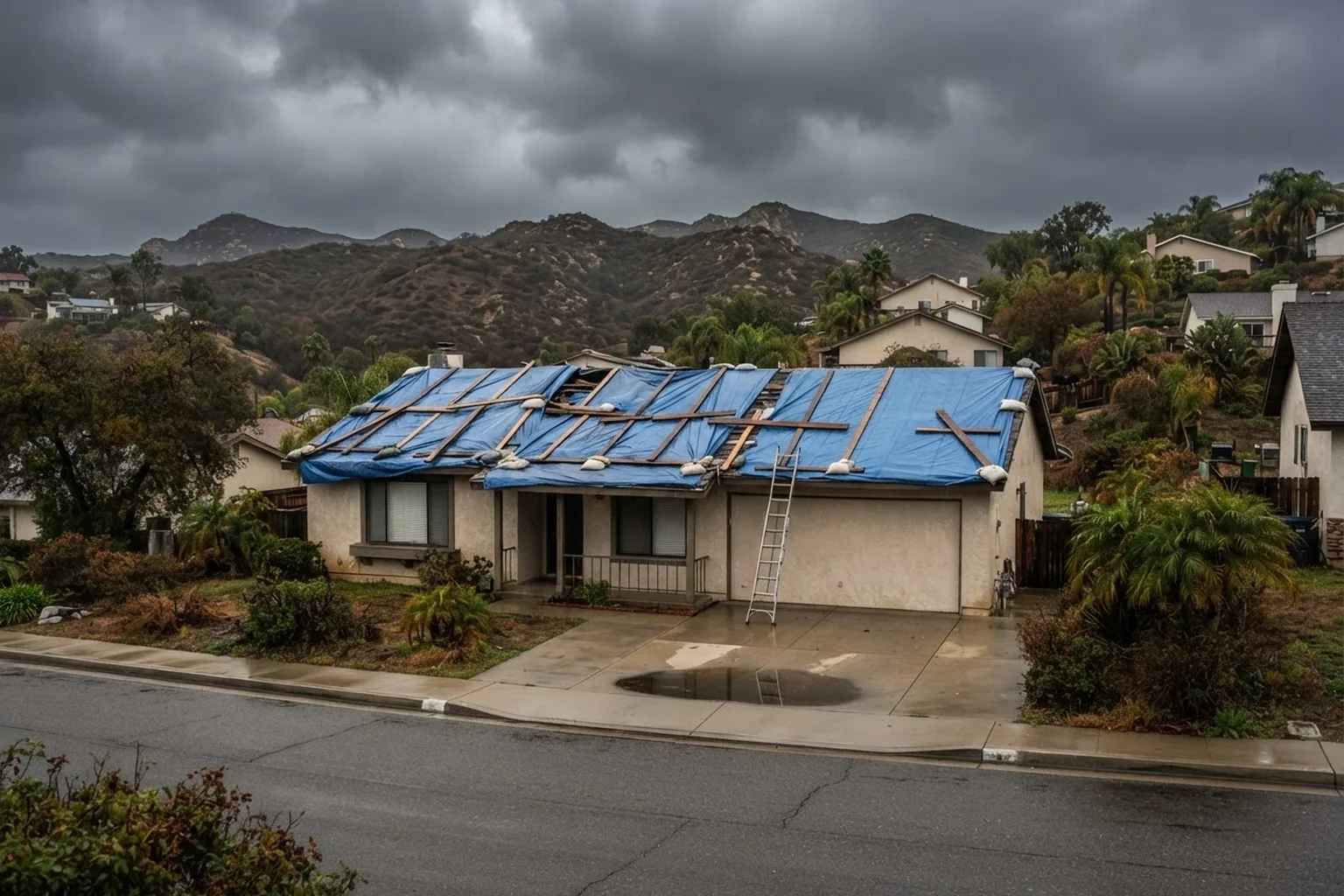
During the rainy season, crews must carefully coordinate work around weather forecasts. Additional protection may be necessary when a roof cannot be made watertight before precipitation arrives.
San Diego’s coastal neighborhoods, including La Jolla and Pacific Beach, also experience marine-layer moisture, while inland communities such as El Cajon and Escondido can encounter considerably higher summer temperatures.
Consequently, the best installation window depends on the property’s specific location and roofing system.
Roof Replacement Costs by Season in San Diego
Understanding seasonal advantages helps homeowners identify opportunities to reduce expenses.
| Season | Potential Pricing | Weather Conditions | Primary Consideration |
| Winter (Dec–Feb) | Possible off-peak discounts | Higher rainfall risk | Scheduling delays |
| Spring (Mar–May) | Competitive, demand-dependent | Increasingly dry | Balanced conditions |
| Summer (Jun–Aug) | Demand-dependent | Generally dry, hotter inland | Installation efficiency |
| Fall (Sep–Nov) | Variable; pre-rain demand possible | Dry early, wetter later | Rainy-season preparation |
These are seasonal planning patterns, not guaranteed pricing trends. Actual quotes depend on contractor workloads, materials, and property conditions.
Winter: Potentially Lower Roofing Prices
Winter may offer favorable pricing when roofing contractors have openings between scheduled projects.
However, San Diego’s winter rainfall creates an important financial consideration.
Removing an existing roof immediately before a storm can expose the underlying structure to moisture. Contractors must schedule tear-offs carefully and maintain suitable temporary weather protection when necessary.
For a structurally sound roof that does not require immediate replacement, requesting winter estimates can be worthwhile. The final installation date should still depend on suitable weather.
Spring: A Balance Between Cost and Weather
March through May provides increasingly favorable conditions for roofing projects.
Spring is particularly useful for identifying damage caused by winter storms, including deteriorated flashing, compromised underlayment, and moisture-related decking problems.
Scheduling early can also allow homeowners to compare several estimates before summer projects fill contractors’ calendars.
Spring is not automatically the cheapest season, but it can provide an effective balance between installation conditions and pricing opportunities.
Summer: Reliable Conditions for Roof Installation
June through August generally offers some of San Diego’s driest weather.
Consistently dry conditions are particularly valuable for complete roof replacements requiring extensive tear-off work.
However, inland heat requires additional attention to worker safety, material storage, and manufacturer installation requirements.
Summer prices depend heavily on contractor availability. Strong demand can reduce scheduling flexibility, although reliable weather may improve project efficiency.
Fall: Replace Your Roof Before Winter Rain
September and October can provide excellent opportunities to complete roof replacement before the rainy season.
Temperatures are generally manageable, and dry-weather installation windows remain common.
However, homeowners frequently prioritize roofing work before winter storms, so fall should not automatically be considered a discount season.
We recommend requesting estimates during summer when planning a fall installation.
What Actually Determines the Cheapest Roof Replacement Price?
Seasonal demand affects scheduling, but several project-specific variables usually have a greater influence on the final price.
Roofing Material and Roof Size
Asphalt shingles, concrete tiles, clay tiles, metal roofing, and low-slope membrane systems have different material costs and installation requirements.
For example, tile roof replacement may involve removing and reinstalling reusable tiles while replacing deteriorated underlayment.
A low-slope commercial roof may require drainage corrections, insulation, or specialized membrane installation.
Roof measurements should include actual surface area, slope, waste allowances, and architectural complexity—not simply the building’s square footage.
Labor Availability and Project Complexity
Contractors may have greater scheduling flexibility between major projects.
However, difficult access, steep slopes, multiple roof penetrations, and extensive flashing details increase labor requirements regardless of season.
Hidden Roof Damage
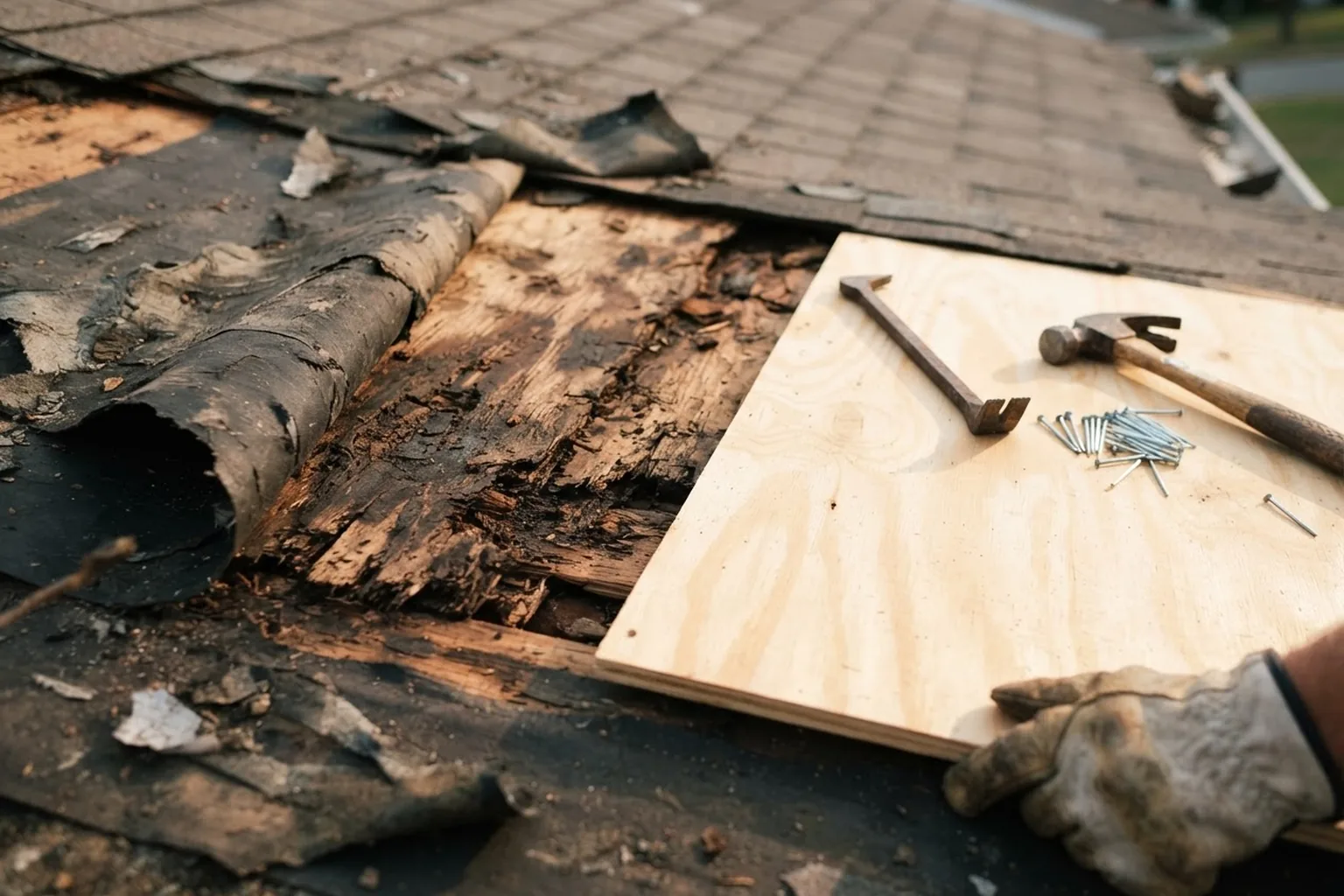
A seemingly inexpensive replacement can become considerably more expensive if crews discover damaged decking or structural deterioration.
A thorough inspection helps identify potential expenses before construction begins.
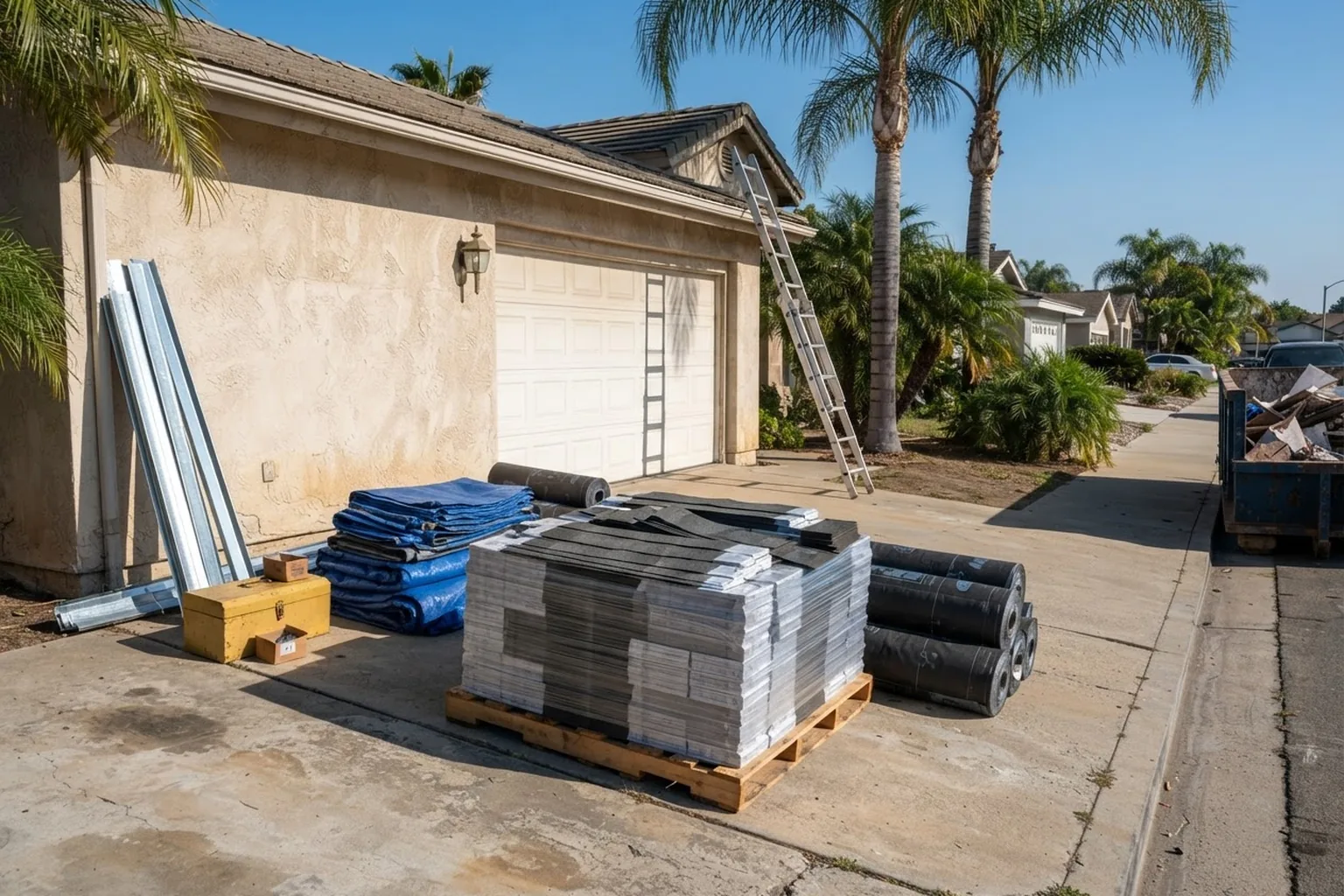
We recommend requesting estimates that clearly specify tear-off costs, decking replacement allowances, flashing work, ventilation, and disposal.
How Much Can Seasonal Roofing Discounts Save?
There is no reliable universal percentage for seasonal roof replacement discounts in San Diego.
Contractors establish prices based on labor availability, material costs, project scope, and operating expenses.
Consider an illustrative example involving a roof replacement quoted at $18,000.
If a contractor offers a genuine 5% scheduling discount, the homeowner saves $900.
However, if the discounted schedule introduces $1,200 in additional weather protection or project expenses, the supposed savings disappear.
The calculation is straightforward:
Total Roof Replacement Cost = Contract Price + Required Additional Work + Weather-Related Expenses
A lower initial estimate only represents genuine savings when the project scope, materials, workmanship, and warranty remain comparable.
Why Replacing Your Roof Before the Rainy Season Can Save Money
Preventive replacement can be more economical than waiting for an aging roof to fail.
Water infiltration can damage insulation, drywall, roof decking, and interior finishes. Moisture-related deterioration may increase the eventual scope of repairs.
For San Diego homeowners, scheduling inspections during spring or summer provides time to evaluate roofing options before seasonal rainfall increases.
Properties with older tile roofs deserve particular attention because the tiles themselves may remain serviceable while the waterproofing underlayment beneath them deteriorates.
Similarly, low-slope roofs with recurring ponding water should be evaluated for drainage deficiencies rather than relying exclusively on a new roof membrane.
The most cost-effective replacement date is often before existing roof deterioration creates additional repair expenses.
Should You Replace Your Roof Before Installing Solar Panels?
Roof replacement and solar installation should be coordinated whenever both projects are anticipated.
Installing solar panels on a roof approaching the end of its service life may create unnecessary future expenses.
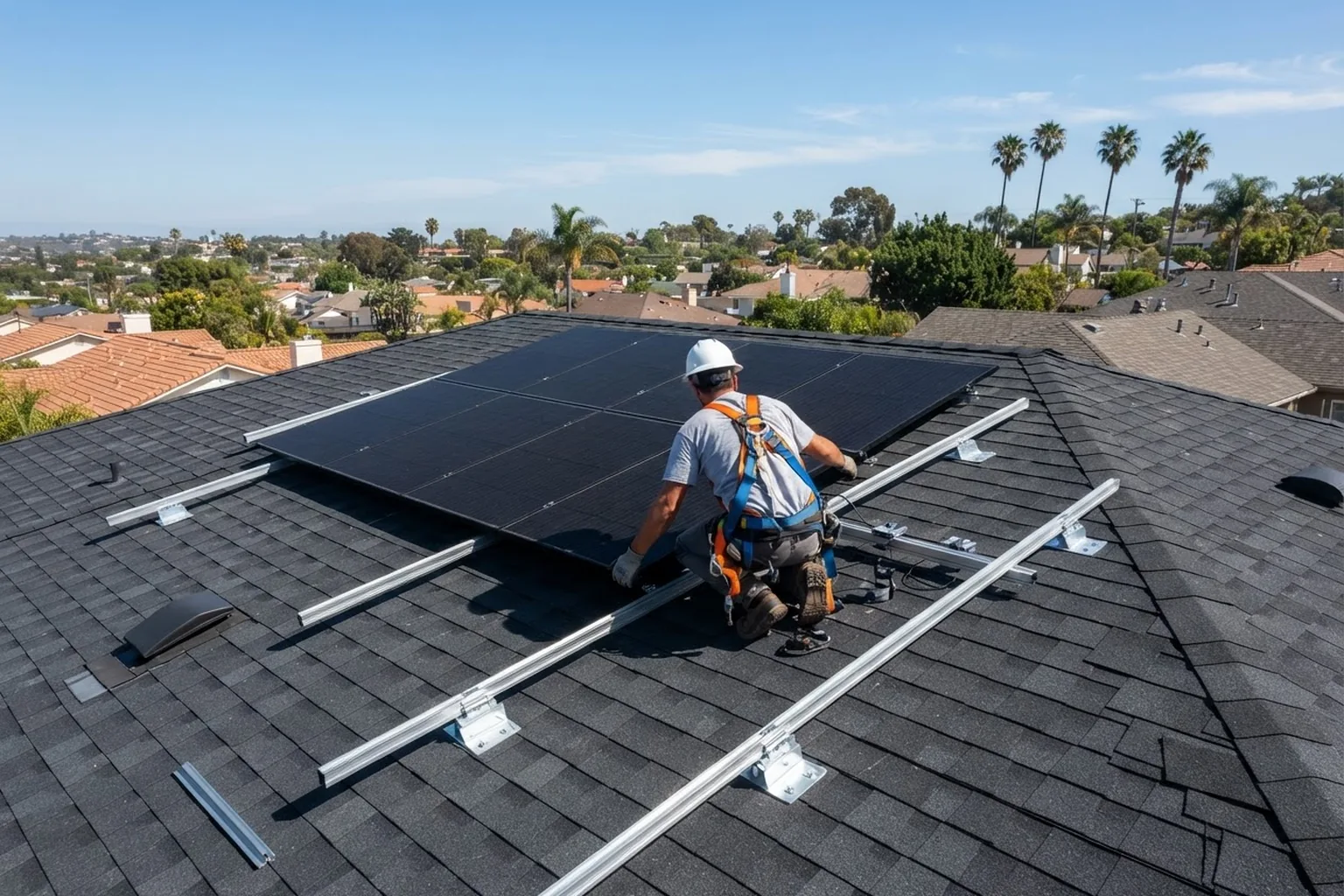
If replacement becomes necessary after solar installation, technicians may need to disconnect, remove, store, and reinstall the panels.
This work increases project complexity and may involve additional permitting and electrical coordination.
We recommend evaluating the roof’s remaining service life before finalizing a solar installation schedule.
For a combined roofing and solar project, homeowners should coordinate:
- Roof inspections and structural requirements
- Roofing materials and expected service life
- Solar mounting locations and waterproofing details
- Electrical work, permits, and inspections
- Roof and solar workmanship warranties
The cheapest season for roofing alone may not be the most economical schedule for both projects.
San Diego Roof Replacement Permits and Scheduling
Permitting requirements can influence project timelines regardless of the season.
The City of San Diego’s roof covering renewal requirements explain when permits are necessary, including certain structural modifications, roofing material changes, and work involving designated historic properties.
The city’s guidance also states that reinstalling existing rooftop photovoltaic panels removed for roof replacement requires an electrical permit.
City of San Diego Official Website
Some roof-covering renewals without structural alterations may be exempt from building permit requirements, depending on the specific circumstances.
Requirements can differ in other San Diego County jurisdictions.
We recommend confirming applicable approvals, fire classifications, energy-code requirements, and inspections before selecting a construction date.
How to Get the Best Roof Replacement Deal in San Diego
Homeowners can often improve project value through planning rather than waiting for an advertised seasonal promotion.
Request estimates before your preferred installation month. This provides time to compare contractors and identify available scheduling windows.
Compare identical project scopes. Confirm material brands, underlayment specifications, tear-off procedures, ventilation, flashing, and warranty coverage.
Ask about flexible scheduling. Contractors may have openings between larger projects, but any discount should be documented in the written proposal.
Avoid delaying necessary repairs. Active leaks, deteriorated decking, and compromised waterproofing can create costs that exceed potential seasonal savings.
Coordinate roofing with other improvements. Solar installation, skylight replacement, and certain ventilation upgrades may be more efficient when planned alongside roof replacement.
Conclusion
The cheapest time of year to replace a roof in San Diego may be late winter or early spring when contractor schedules are more flexible. However, the dry season — particularly late spring through early fall — often provides more predictable installation conditions. We recommend prioritizing a detailed roof inspection, comparable written estimates, and appropriate scheduling before the rainy season. A well-planned roof replacement can reduce unexpected expenses while providing reliable long-term protection for residential and commercial properties.
Frequently Asked Questions
1. What month is cheapest to replace a roof in San Diego?
January and February may offer opportunities for lower quotes when contractors have available capacity. However, there is no guaranteed cheapest month. Winter rain can affect scheduling and project costs, making spring another worthwhile period for comparing estimates.
2. Is it cheaper to replace a roof in summer or winter?
Winter may provide better opportunities for off-peak pricing, while summer generally offers more reliable dry-weather installation conditions. The cheaper option depends on contractor availability, the roofing system, and whether weather-related expenses affect the final project cost.
3. How far in advance should I schedule a roof replacement in San Diego?
For a planned replacement, requesting estimates approximately four to eight weeks before the desired installation date is a practical starting point, although availability varies. Homeowners preparing for winter rainfall should ideally begin inspections and contractor comparisons during spring or summer rather than waiting until leaks develop.