A roof insurance claim can become complicated quickly when wind, rain, falling debris, or a sudden leak damages a home. At San Diego County Roofing & Solar, we recommend treating the claim as a documented sequence of facts: what happened, when it happened, which roof components were affected, what temporary protection was necessary, and what repairs are reasonably required. In San Diego, distinguishing storm-related damage from long-term deterioration is especially important because coverage depends on the cause of loss and the wording of the policy.
Protect the Property and Prevent Additional Damage
After discovering roof damage, keep people safe and prevent the loss from getting worse. Do not climb onto a wet, steep, wind-damaged, tile, or structurally questionable roof just to take photographs. Ground-level photos, attic observations, interior images, and a professional inspection can document conditions without unnecessary risk.
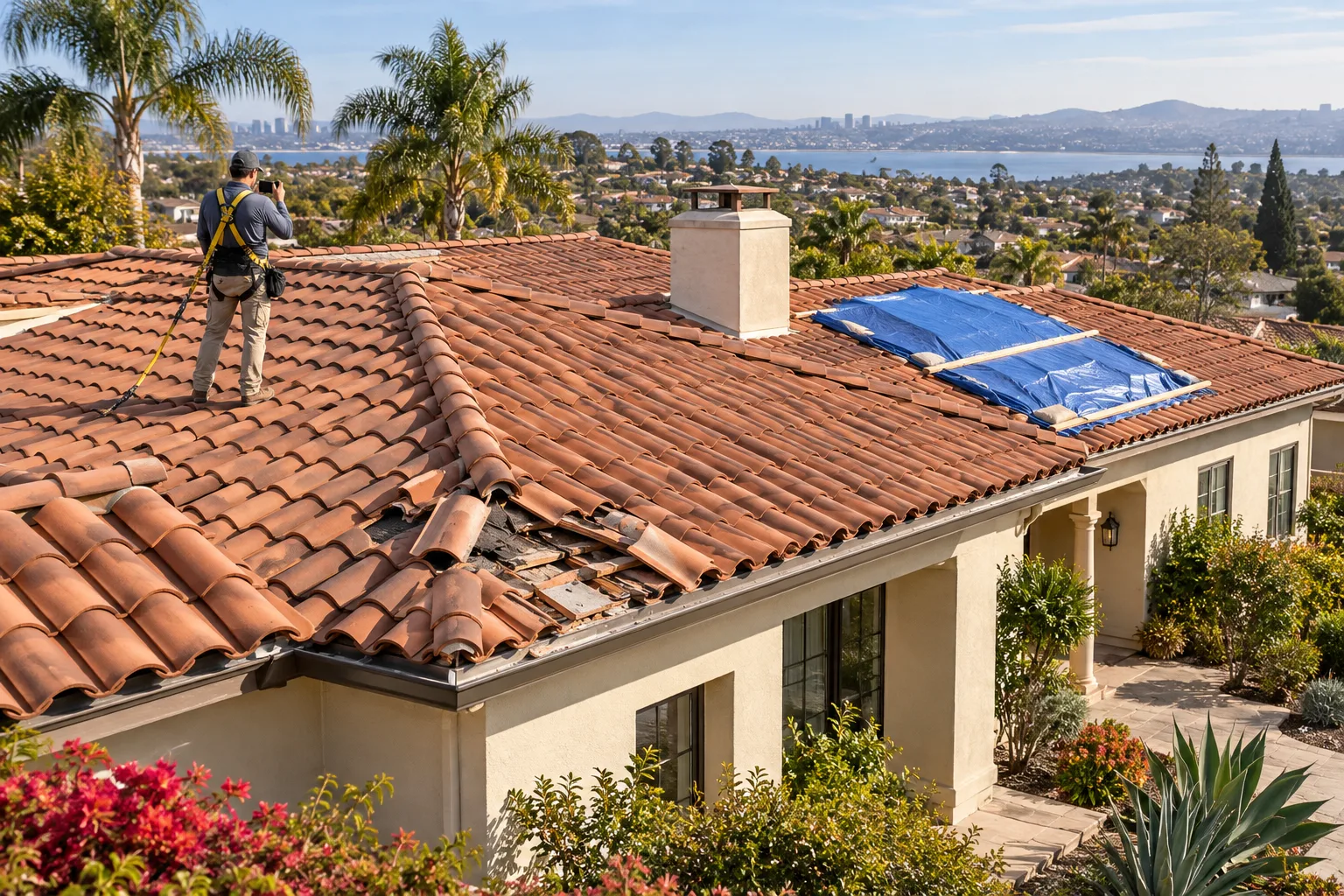
Temporary protection may include tarping an exposed area, covering a damaged skylight, moving belongings away from an active leak, or arranging emergency dry-out work. Save receipts, invoices, and photos. California guidance advises policyholders to protect property from further damage while avoiding extensive permanent repairs before the insurer has had an opportunity to inspect the loss.
Determine Whether the Damage Appears Sudden or Long-Term
A strong roof insurance claim starts with causation. Policies vary, but insurers commonly distinguish a sudden covered event from deterioration associated with age, maintenance problems, installation defects, or prolonged moisture intrusion.
Wind may lift shingles, break or displace tiles, damage ridge material, bend flashing, or cause tree limbs to strike the roof. Wind-driven rain entering through a storm-created opening may be evaluated differently from water that has been entering around deteriorated flashing or failed underlayment for months.
Document damaged and undamaged areas for comparison. That can help show whether a condition is isolated, directional, recent, or consistent with widespread aging. On tile roofs, surface tile is only one component; displaced or broken tiles can expose underlayment, battens, flashings, and transitions that also require evaluation.
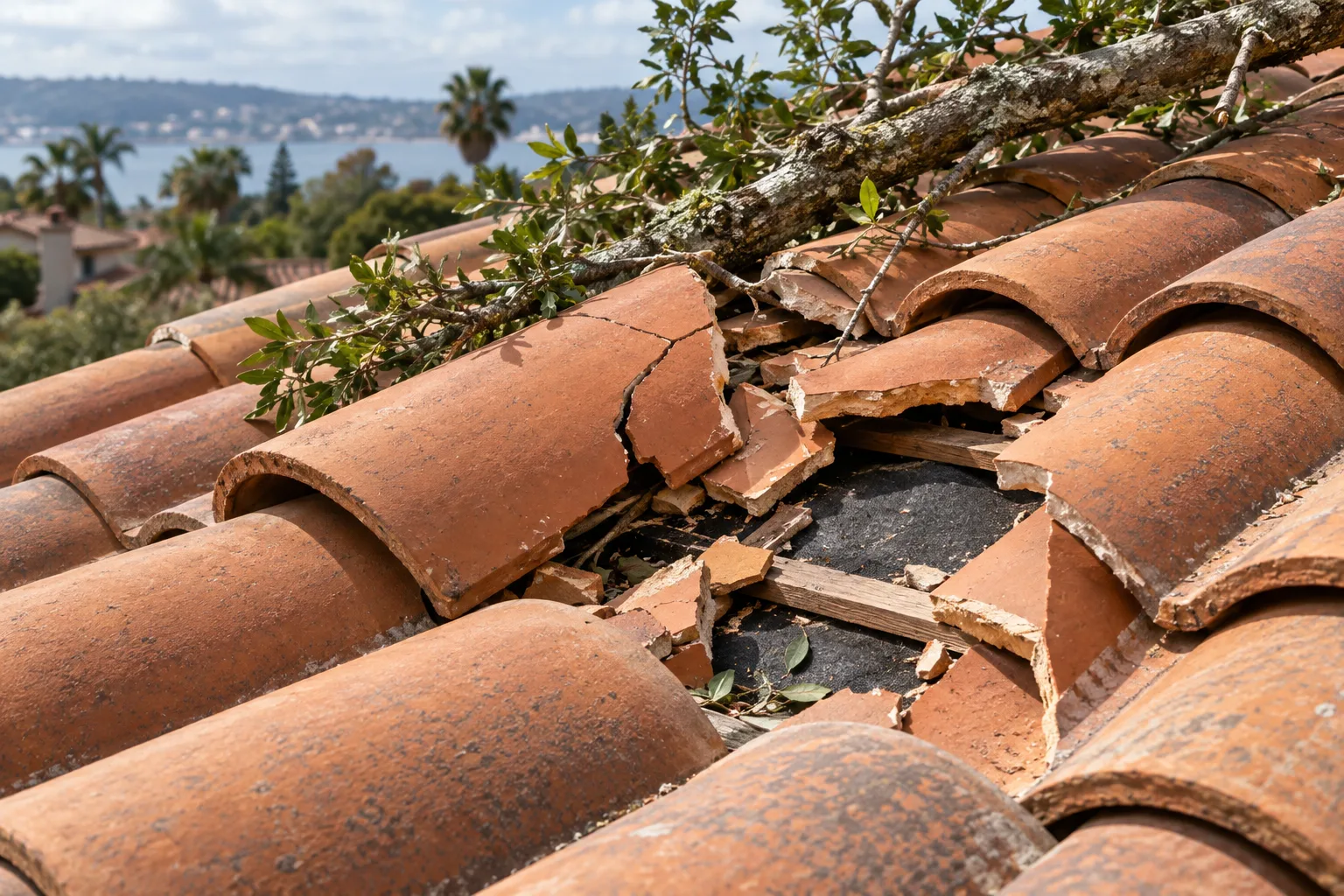
Document the Roof Insurance Claim Before Major Repairs
Record the date damage was discovered, the suspected date of loss, exterior damage, interior staining, attic moisture, damaged insulation or ceilings, debris found on the property, and temporary repairs.
Take both close-up and context photographs. A cracked tile should also be photographed in relation to the valley, ridge, wall, vent, skylight, or roof edge around it. If material must be removed during emergency work, photograph it first and retain representative pieces when practical.
Create one claim file containing the policy, claim number, deductible, adjuster information, inspection reports, estimates, invoices, emails, texts, and receipts. Keep a written log of important calls with the date, contact name, and key points discussed.
Get a Detailed Professional Roof Inspection
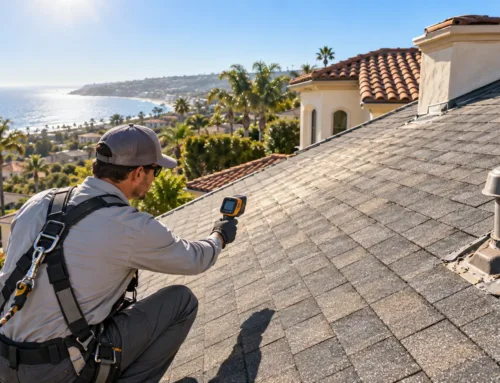
An insurance-related roof inspection should do more than locate a leak. The report should connect observable conditions to specific roof components and define a supportable repair scope.
Useful details include roof dimensions, slope, material type, missing shingles, cracked or slipped tiles, punctures, damaged ridge or hip components, flashing conditions, exposed underlayment, drainage points, and interior moisture. Photos should show where each condition exists.
A roofing contractor can provide documentation, quantities, repair recommendations, and pricing. Coverage decisions belong to the insurer. If a homeowner wants another professional to represent them for compensation in negotiating or settling the insurance claim, they should verify that the person is properly licensed and authorized to perform that service in California.
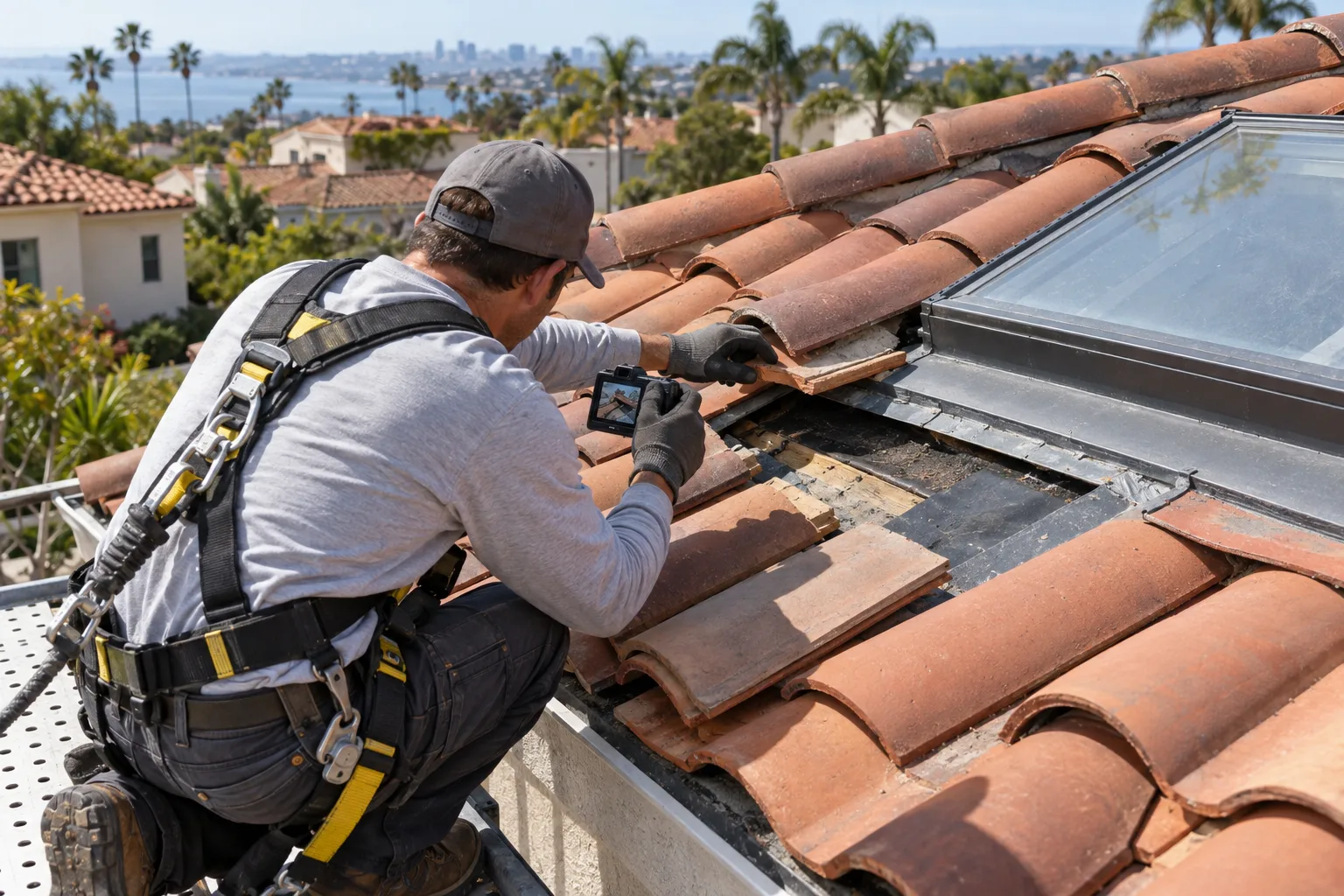
Report the Claim Promptly and Track California Claim Deadlines
Once there is reasonable evidence of a potentially covered loss, contact the insurance carrier or agent. Provide accurate facts without guessing about causes you cannot confirm. Ask for the claim number, assigned adjuster, deductible, applicable coverage, required forms, inspection process, and policy deadlines.
Under California’s claim acknowledgment requirements, an insurer generally must acknowledge receipt of a notice of claim, provide necessary forms and reasonable assistance, and begin any necessary investigation within 15 calendar days. After receiving proof of claim, California’s standards for prompt, fair, and equitable settlements generally require an insurer to accept or deny a claim, in whole or in part, within 40 calendar days, subject to applicable exceptions and extensions.
Ask whether the insurer wants emergency invoices, contractor estimates, moisture documentation, photographs, or a proof-of-loss form. Respond to requests in writing when possible and retain copies of everything submitted.
Opening a roof damage insurance claim does not automatically mean the insurer will approve a complete roof replacement. The carrier evaluates whether the reported event is covered, which damage resulted from that event, which exclusions or limitations apply, and what repair costs fall within the policy.
Prepare for the Insurance Adjuster’s Roof Inspection
Before the adjuster arrives, organize photographs, emergency invoices, the roofing inspection report, and records showing the roof’s pre-loss condition or recent maintenance.
Make known damage areas available for evaluation, including interior rooms, attic spaces when accessible, exterior elevations, and roof sections. If a roofing professional attends, the useful role is to identify physical conditions, provide measurements, explain the roof assembly, and answer construction questions.
A precise inspection is more persuasive than a broad statement that “the whole roof is damaged.” Damage location, quantities, material type, repairability, and evidence of water entry are the details that matter.
Compare the Insurer’s Estimate With the Repair Scope
When the insurer issues an estimate, review it line by line. Compare the roof area, material, tear-off quantities, underlayment, flashings, vents, ridge or hip components, permit-related work, and interior repairs with the contractor’s documented scope.
Adjusters and contractors may use different measurements, pricing databases, assumptions, or repair methods. Identify each specific difference and support it with photos, measurements, manufacturer requirements, invoices, or a revised estimate.
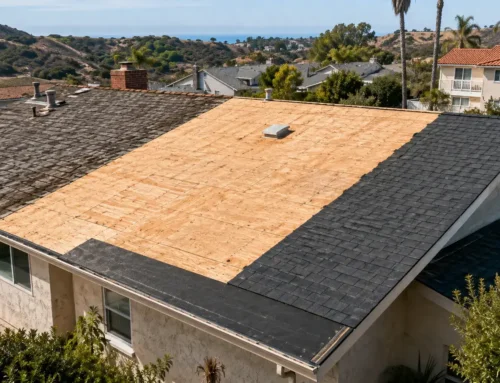
Claims can also change after roofing is removed. Concealed deck damage, wet insulation, deteriorated underlayment, or hidden flashing conditions may become visible. Photograph newly discovered conditions immediately and communicate them before additional work proceeds when practical.
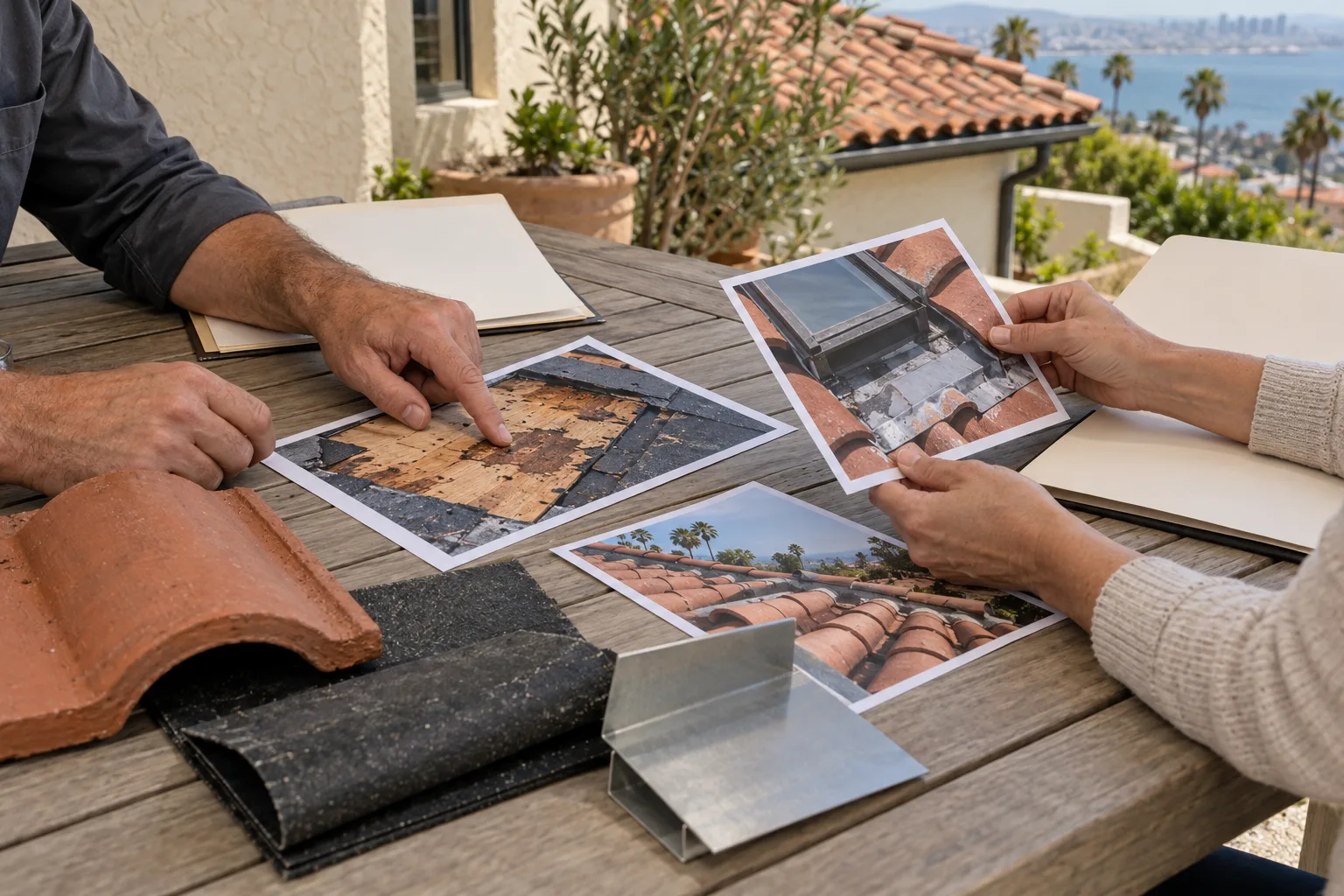
Understand Deductibles, Depreciation, and Claim Payments
The total repair estimate is not necessarily the first payment amount. The deductible is generally the policyholder’s responsibility before covered insurance payments apply. Depending on the policy, the insurer may also apply depreciation based on the age and condition of damaged property.
With replacement-cost coverage, some withheld depreciation may be recoverable after repairs and required documentation are completed. Actual-cash-value coverage treats depreciation differently. Review the policy’s declarations, endorsements, and loss-settlement provisions.
If a mortgage company is listed on the policy, a structural-loss check may include the lender as a payee, adding an endorsement or draw process before repair funds are released.
Separate Storm Damage From Maintenance Issues
A common roof insurance claim dispute is whether a leak came from the reported event or a pre-existing condition. San Diego roofs can show UV aging, brittle underlayment, deteriorated sealants, corroded metal, cracked mortar, clogged drainage, and evidence of earlier repairs. A storm can expose an existing weakness without creating every defect discovered during an inspection.
Credible documentation should therefore separate event-related damage from unrelated maintenance. If wind displaced several tiles while adjacent tiles remain seated, document the pattern. If flashing shows old corrosion and repeated sealant repairs, document that condition as well.
Labeling every defect as storm damage can reduce the credibility of an otherwise legitimate roof insurance claim. Accurate documentation is more valuable than overstating the extent of a loss.
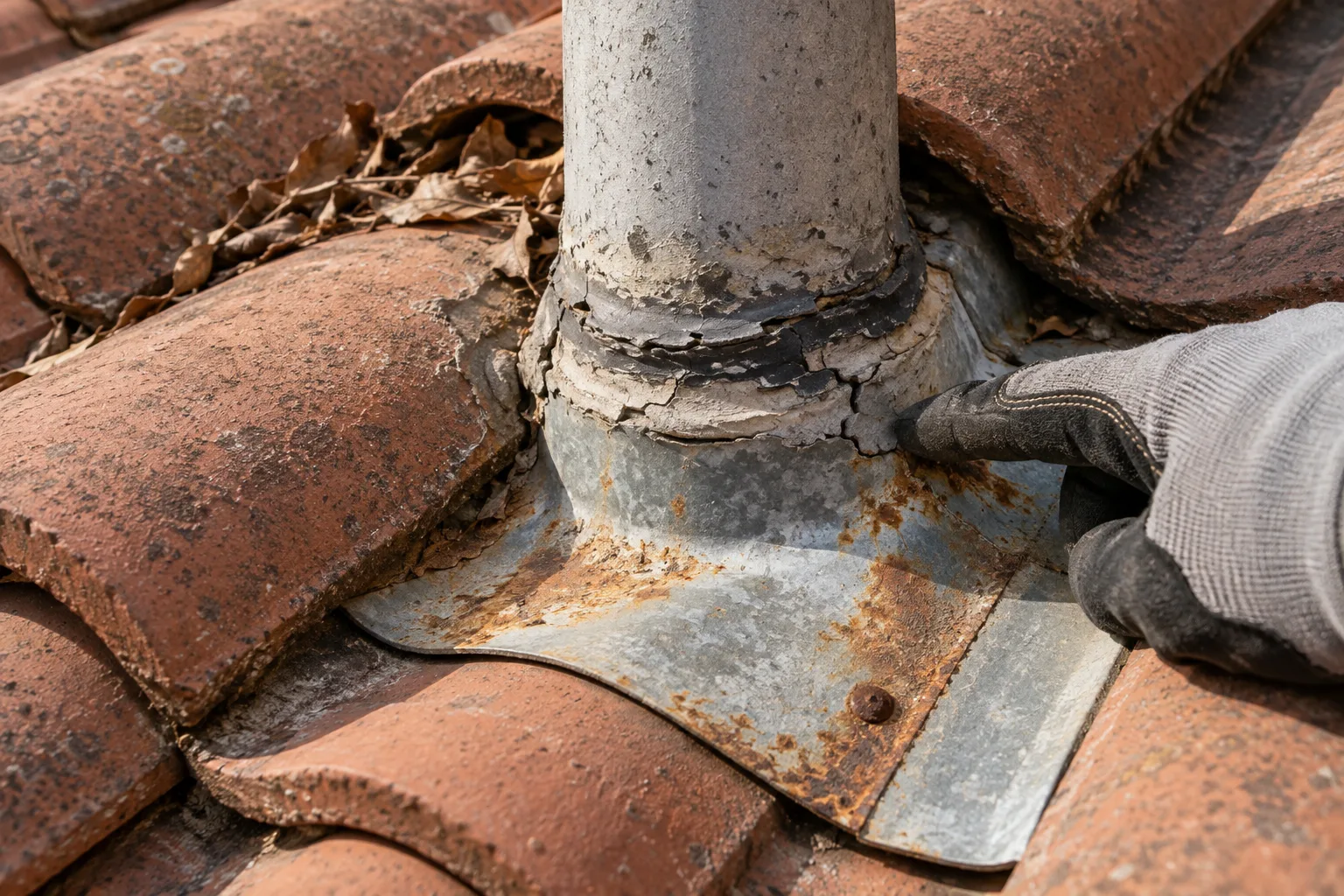
Review Permanent Repairs and Roofing Contracts Carefully
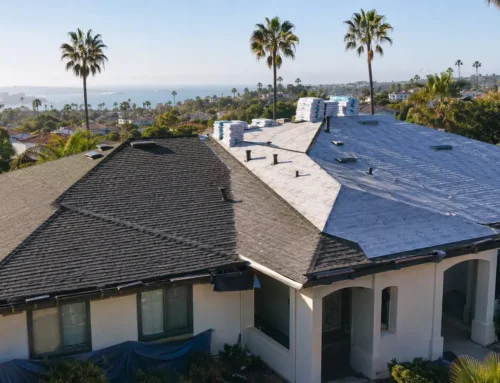
Temporary mitigation may be needed immediately, while permanent roof repairs should usually be coordinated with the insurance inspection and documentation process.
Before signing a roofing contract, confirm the scope of work, roofing materials, total price, payment schedule, warranty, permit responsibility, and what happens if the insurer’s estimate differs from the contractor’s price. Homeowners should also understand which expenses are approved, which remain under review, and which may ultimately be their responsibility.
No roofing contractor can guarantee that an insurer will cover a particular repair, replacement, or settlement amount.
At San Diego County Roofing & Solar, we view the roofer’s role in an insurance claim as providing accurate construction information: what is damaged, what is repairable, what must be replaced to complete the work properly, and what that work reasonably costs.
If the Roof Insurance Claim Is Underpaid or Denied
If the insurer pays less than expected or denies part of the roof claim, read the written explanation carefully and identify the exact disputed items. Ask which policy provision, exclusion, measurement, or factual finding supports the decision. Then compare that explanation with the roof inspection report, photographs, measurements, estimates, and documented repair requirements.
A disagreement may sometimes be resolved by submitting missing documentation, correcting measurements, providing additional photographs, or supplying a more detailed contractor estimate. More complex disputes may require escalation within the insurance company or consultation with a properly licensed public adjuster or attorney.
Challenge specific findings with specific evidence. Saying that an estimate is simply “too low” provides little useful information. Showing that the estimate omitted documented flashing, calculated an incorrect roof area, excluded damaged underlayment, or missed a verified interior repair gives the carrier something concrete to evaluate.
CONCLUSION
Navigating a roof insurance claim in San Diego requires disciplined documentation, a clear timeline, a professional roof inspection, an accurate repair scope, and careful communication with the insurer. We recommend protecting the property first, photographing damage before permanent repairs, preserving receipts and claim records, separating sudden storm damage from long-term deterioration, and reviewing every estimate line by line. The strongest roof insurance claim clearly connects a documented event to documented damage and a reasonable, supportable repair plan.
FAQ
Does homeowners insurance cover a leaking roof in San Diego?
It may, depending on the cause of the leak and the specific policy language. Rain entering because a covered event created an opening may be evaluated differently from leakage caused by aging materials, deferred maintenance, deterioration, or a long-standing roof defect.
Should I get a roof inspection before filing an insurance claim?
A professional roof inspection can be valuable when the cause, extent, or repair scope is unclear. It can document damaged components, roof measurements, photographs, interior effects, and recommended repairs, creating a clearer factual record for the homeowner and insurance carrier.
Can a roofing contractor negotiate my insurance settlement in California?
A roofing contractor can document roof conditions, prepare repair estimates, explain construction requirements, and answer questions about roofing work. Homeowners who want someone to represent them for compensation in negotiating or settling a property insurance claim should verify that the person has the appropriate California licensing and authority to provide that service.