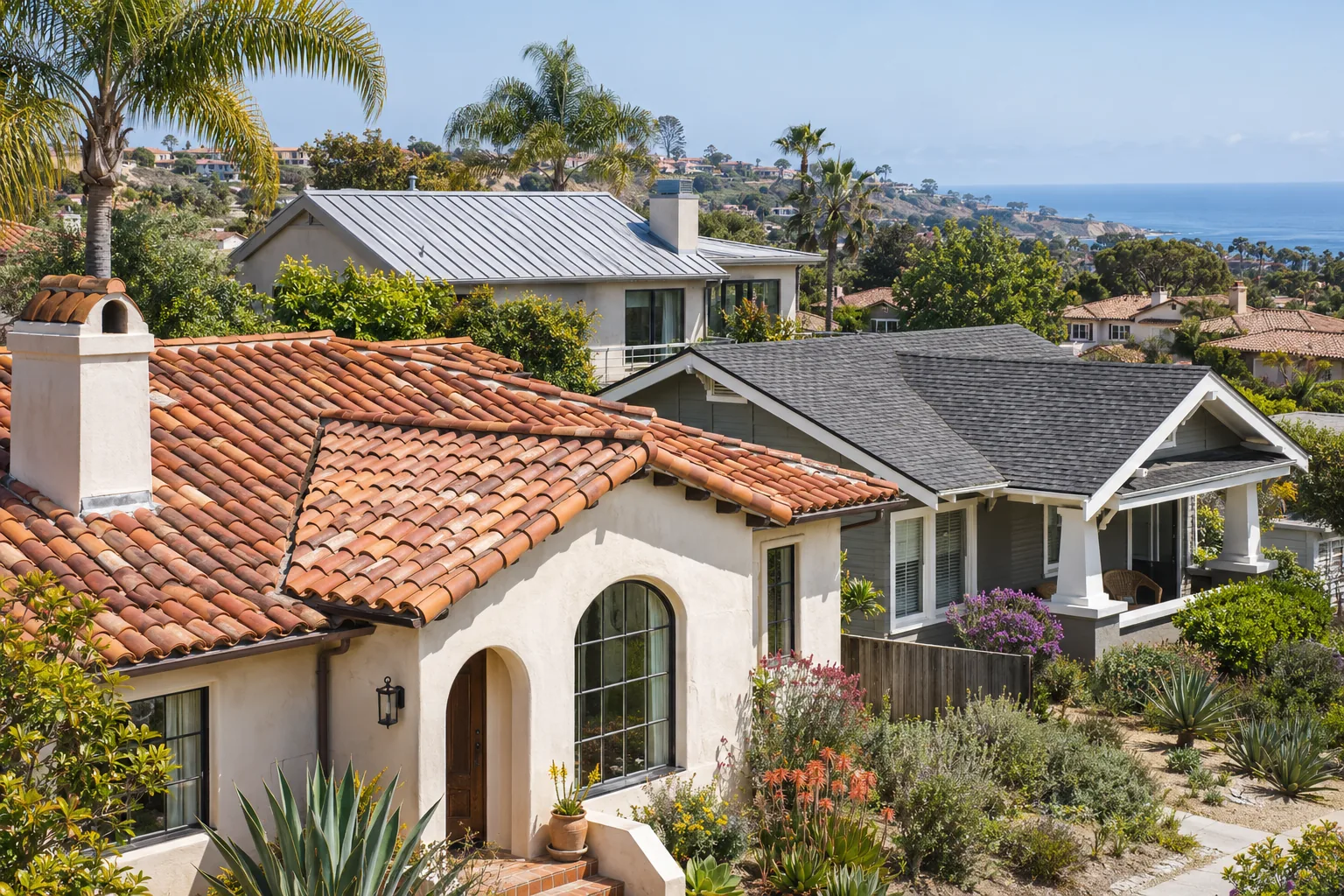
Choosing among the different types of roofs in San Diego, CA requires more than comparing appearance and installation costs. At San Diego County Roofing & Solar, we understand how Southern California's coastal moisture, intense ultraviolet radiation, inland heat, seasonal storms, and wildfire exposure influence roofing performance. Whether you own a residential property near the Pacific Ocean or manage a commercial building inland, selecting the right roofing material can improve energy efficiency, reduce maintenance expenses, and protect your investment for decades.
What Are the Most Common Types of Roofs in San Diego?
San Diego properties feature several roofing systems, each designed for particular architectural styles, roof slopes, and environmental conditions.
The most common roofing materials include:
- Clay and concrete tile roofing: Popular for Spanish, Mediterranean, and traditional California homes.
- Asphalt shingles: Affordable, versatile roofing for residential properties.
- TPO roofing: Reflective single-ply membranes for flat and low-slope commercial roofs.
- Modified bitumen roofing: Durable asphalt-based membranes for low-slope applications.
- Metal roofing: Long-lasting systems offering excellent weather resistance.
- Cool roofing: Energy-efficient roofing products engineered to reflect solar radiation.
Understanding the advantages and limitations of each system helps property owners select materials suited to their building.
1. Clay Tile Roofing: Traditional San Diego Architecture
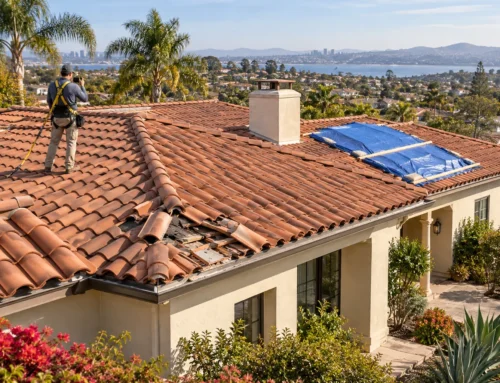
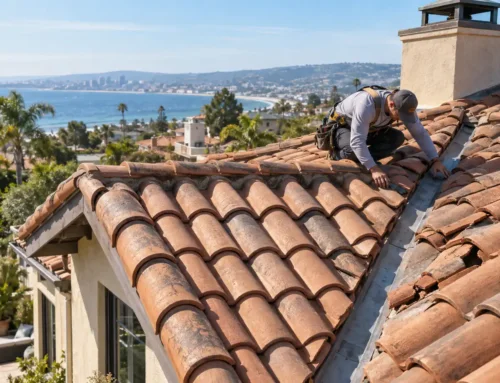
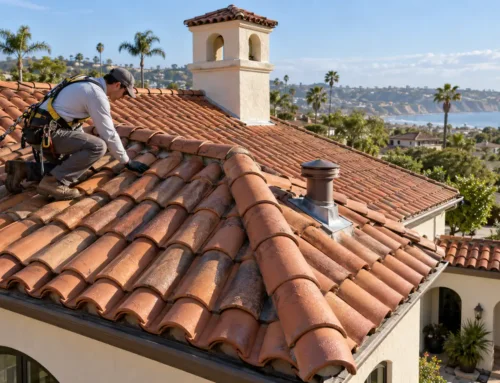
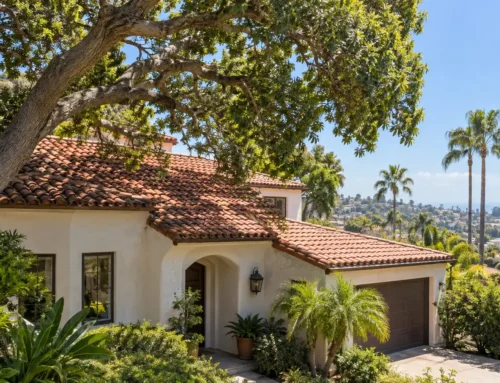
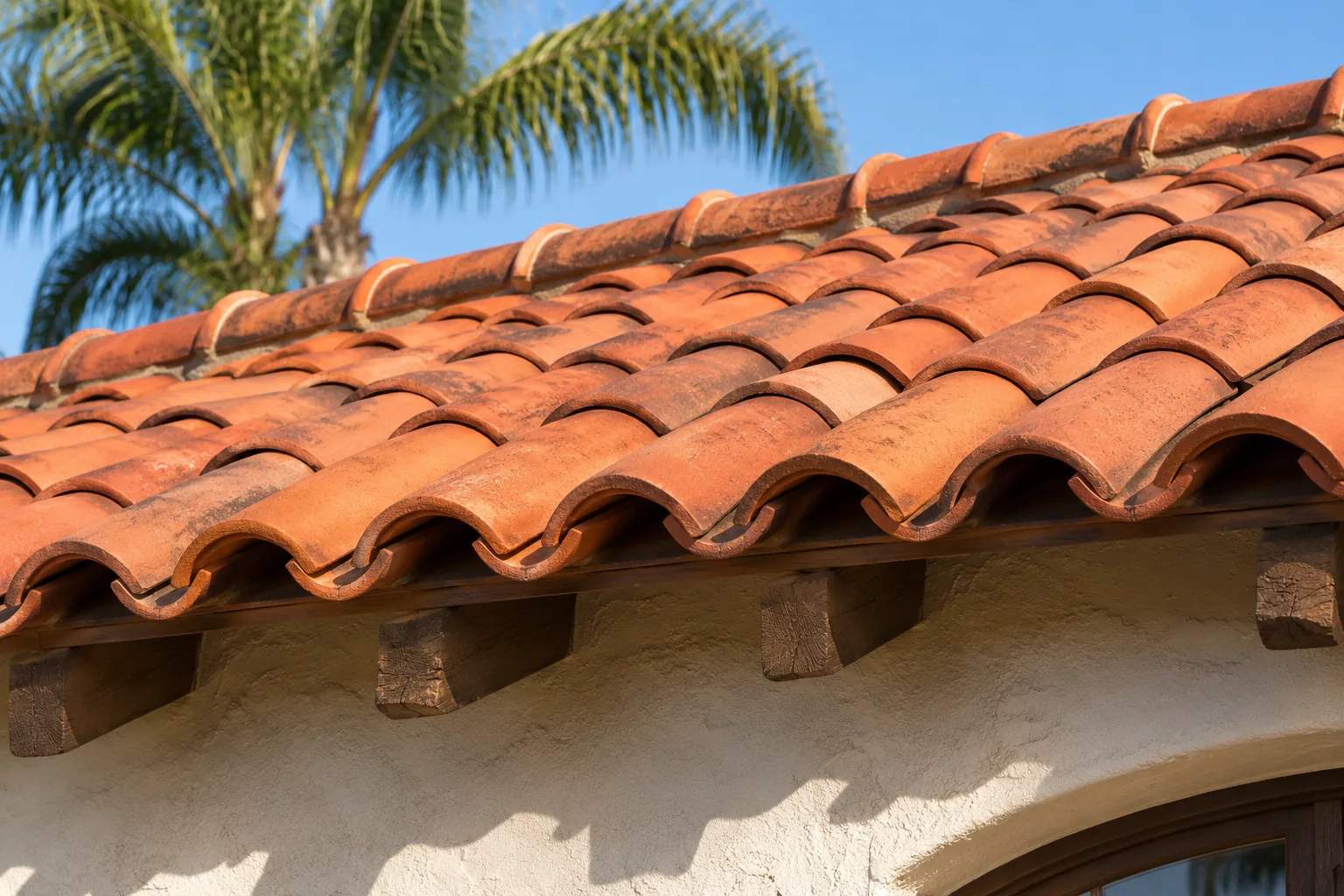
Clay tile roofing is one of the most recognizable roofing styles in Southern California. Manufactured from natural clay fired at high temperatures, these tiles complement Spanish Colonial, Mediterranean, and Mission-style properties.
Benefits of Clay Tile Roofs
Properly installed clay tiles can remain functional for 50–100 years or longer, although underlayment and flashing may require replacement much earlier.
Their primary advantages include excellent resistance to ultraviolet degradation, noncombustible material composition, and color stability.
Clay tiles also create an air space between the roof covering and underlying structure, helping reduce heat transfer when installed as part of an appropriate roof assembly.
Limitations of Clay Roofing
Clay tile roofs require adequate structural support because they are substantially heavier than asphalt shingles. Tiles may also crack under concentrated foot traffic or impact.
For coastal neighborhoods such as La Jolla and Point Loma, we recommend evaluating salt-resistant flashing and fasteners alongside tile selection.
2. Concrete Tile Roofing: Durability and Versatility
Concrete roof tiles are manufactured using cement, sand, water, and pigments. They replicate traditional clay profiles while offering additional shapes, colors, and finishes.
Concrete tile roofing commonly provides 40–60 years or more of service life, depending on climate, manufacturing quality, installation, and maintenance.
Why Choose Concrete Tiles?
Concrete tiles offer several practical benefits:
- Strong resistance to sun exposure and weathering.
- A variety of flat, low-profile, and barrel-shaped designs.
- Availability of reflective finishes.
- Excellent compatibility with many Southern California architectural styles.
However, concrete tiles absorb some moisture, can experience surface discoloration, and require appropriate structural engineering.
Important: Tile longevity does not equal waterproofing-system longevity. Underlayment beneath clay or concrete tiles often needs attention before the tiles themselves reach the end of their service life.
3. Asphalt Shingle Roofing: Affordable Residential Protection
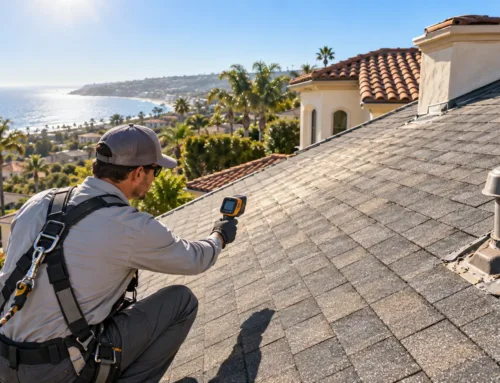
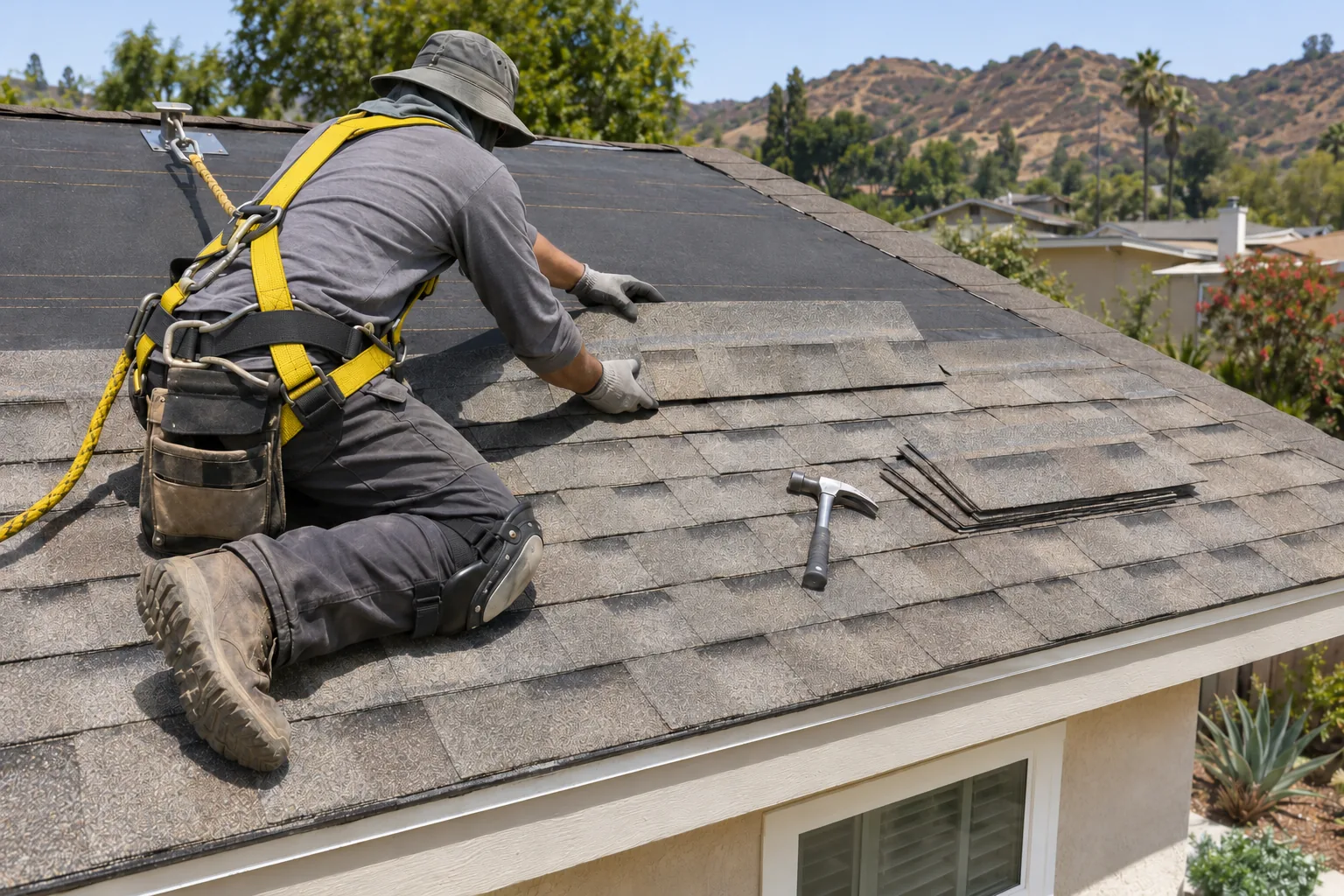
Asphalt shingles remain a popular choice for residential roofing in San Diego because of their relatively low initial cost and straightforward installation.
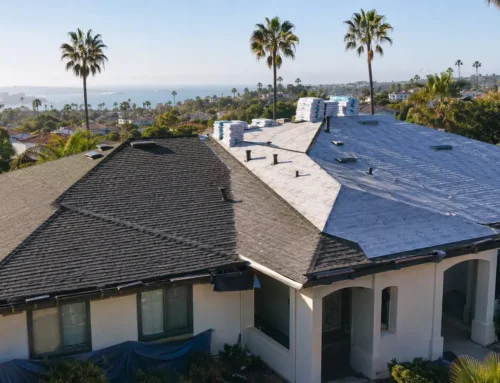
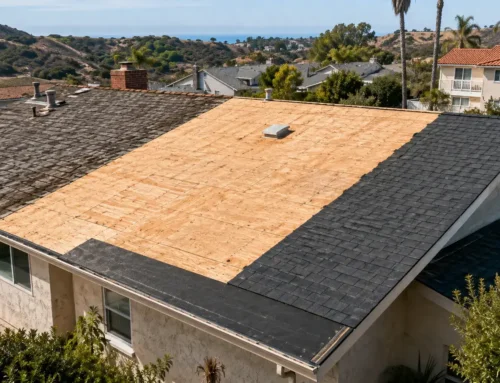
Modern architectural shingles contain fiberglass reinforcement, asphalt waterproofing, and protective mineral granules.
Architectural vs. Three-Tab Shingles
Three-tab shingles feature a flat appearance and generally offer shorter service lives.
Architectural shingles use laminated construction, producing greater dimensional depth and often stronger wind-resistance ratings.
Typical asphalt shingle service life ranges from approximately 15–30 years, although product quality, roof ventilation, heat exposure, and installation practices significantly influence actual longevity.
For inland communities such as Escondido and El Cajon, we recommend considering shingles with reflective granules and appropriate heat-resistant specifications.
Asphalt roofing is especially suitable for homeowners prioritizing affordability, broad design choices, and manageable replacement costs.
4. TPO Roofing: Energy-Efficient Flat Roof Systems
Thermoplastic polyolefin (TPO) roofing is widely used on commercial buildings, warehouses, and residential properties with low-slope roof sections.
TPO consists of a reinforced, flexible single-ply membrane. Its seams are typically heat-welded, creating continuous waterproof connections when installed correctly.
Advantages of TPO Roofing in San Diego
White TPO membranes can provide high solar reflectance, helping reduce roof surface temperatures and cooling demand.
Additional benefits include:
- Lightweight construction.
- Resistance to ultraviolet exposure.
- Compatibility with large commercial roof areas.
- Relatively efficient installation.
- Heat-welded seams.
A professionally installed TPO system may last approximately 15–25 years, depending on membrane thickness, installation quality, drainage, and maintenance.
TPO is particularly attractive for commercial properties where energy efficiency and roof-area coverage are major priorities.
5. Modified Bitumen Roofing: Reliable Low-Slope Protection
Modified bitumen roofing combines asphalt with polymer modifiers to improve flexibility and performance.
Two principal formulations are commonly used:
SBS Modified Bitumen
Styrene-butadiene-styrene (SBS) provides rubber-like flexibility, allowing the membrane to accommodate thermal movement.
APP Modified Bitumen
Atactic polypropylene (APP) produces a more plastic-like membrane with strong heat resistance.
Modified bitumen systems may be installed using torch-applied, cold-applied, self-adhered, or other manufacturer-approved methods.
Properly constructed systems commonly provide approximately 15–25 years of service.
Modified bitumen is useful for smaller commercial roofs, multifamily buildings, and low-slope roof sections requiring a robust, often multilayer waterproofing assembly.
Reflective cap sheets can also improve solar performance.
6. Metal Roofing: Long-Term Performance and Modern Design
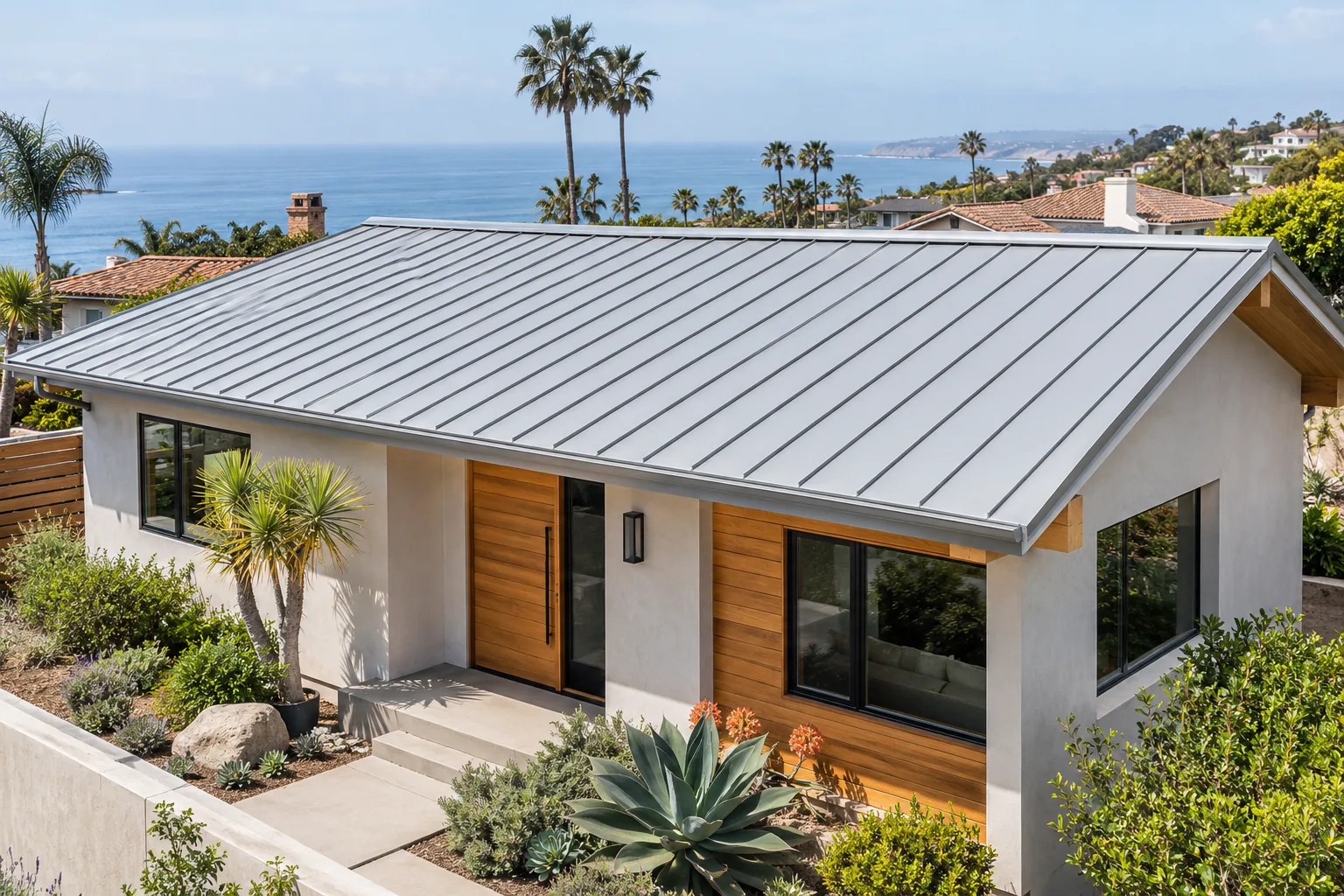
Metal roofing systems include standing-seam steel, aluminum panels, and specialty metal products.
Their advantages include low weight relative to tile, strong weather resistance, and potential service lives of approximately 40–60 years or longer.
Standing-seam metal roofing uses raised interlocking seams that help direct water away from vulnerable connections.
For coastal properties, material selection is particularly important. Marine environments can accelerate corrosion of unsuitable metals, fasteners, and exposed components.
Properly specified aluminum systems and compatible corrosion-resistant accessories can provide excellent coastal performance.
Metal roofs also offer opportunities for reflective finishes and solar-panel attachment systems.
7. Cool Roofs in San Diego: Reducing Heat and Energy Consumption
A cool roof is not a separate roofing material. It is a roofing product or assembly designed to reflect more sunlight and release absorbed heat efficiently.
Two measurements determine its solar performance:
Solar reflectance measures the proportion of sunlight reflected by the roofing surface.
Thermal emittance measures the surface's ability to release absorbed heat.
Under California's 2025 Building Energy Efficiency Standards, applicable roofing requirements depend on building type, roof slope, climate zone, and project scope. These standards became effective January 1, 2026.
Reflective asphalt shingles, specialized tile coatings, light-colored metal panels, and white TPO membranes can all contribute to cool-roof performance.
For warmer inland communities, cool roofing may provide particularly meaningful reductions in summer heat gain.
8. Coastal vs. Inland Roofing: Which Materials Work Best?
San Diego County includes dramatically different microclimates. Roofing materials should be selected according to the property's actual exposure conditions.
Best Roofing Materials for Coastal San Diego
Coastal neighborhoods such as Pacific Beach, Ocean Beach, Coronado, and La Jolla experience marine humidity, salt-laden air, and occasional strong winds.
We generally prioritize:
- Clay or concrete tiles with compatible corrosion-resistant accessories.
- Aluminum standing-seam roofing where appropriate.
- High-quality asphalt shingles with suitable wind ratings.
- Properly detailed TPO membranes for low-slope structures.
Salt-resistant flashing, ventilation, and fastener compatibility are essential.
Best Roofing Materials for Inland San Diego
Escondido, Poway, Santee, and El Cajon experience greater summer heat than many coastal neighborhoods.
Recommended options include reflective concrete tiles, cool-rated architectural shingles, appropriately coated metal roofing, and white TPO systems for commercial buildings.
In wildfire-exposed communities such as Ramona and Alpine, roof fire classification and ember-resistant construction become especially important.
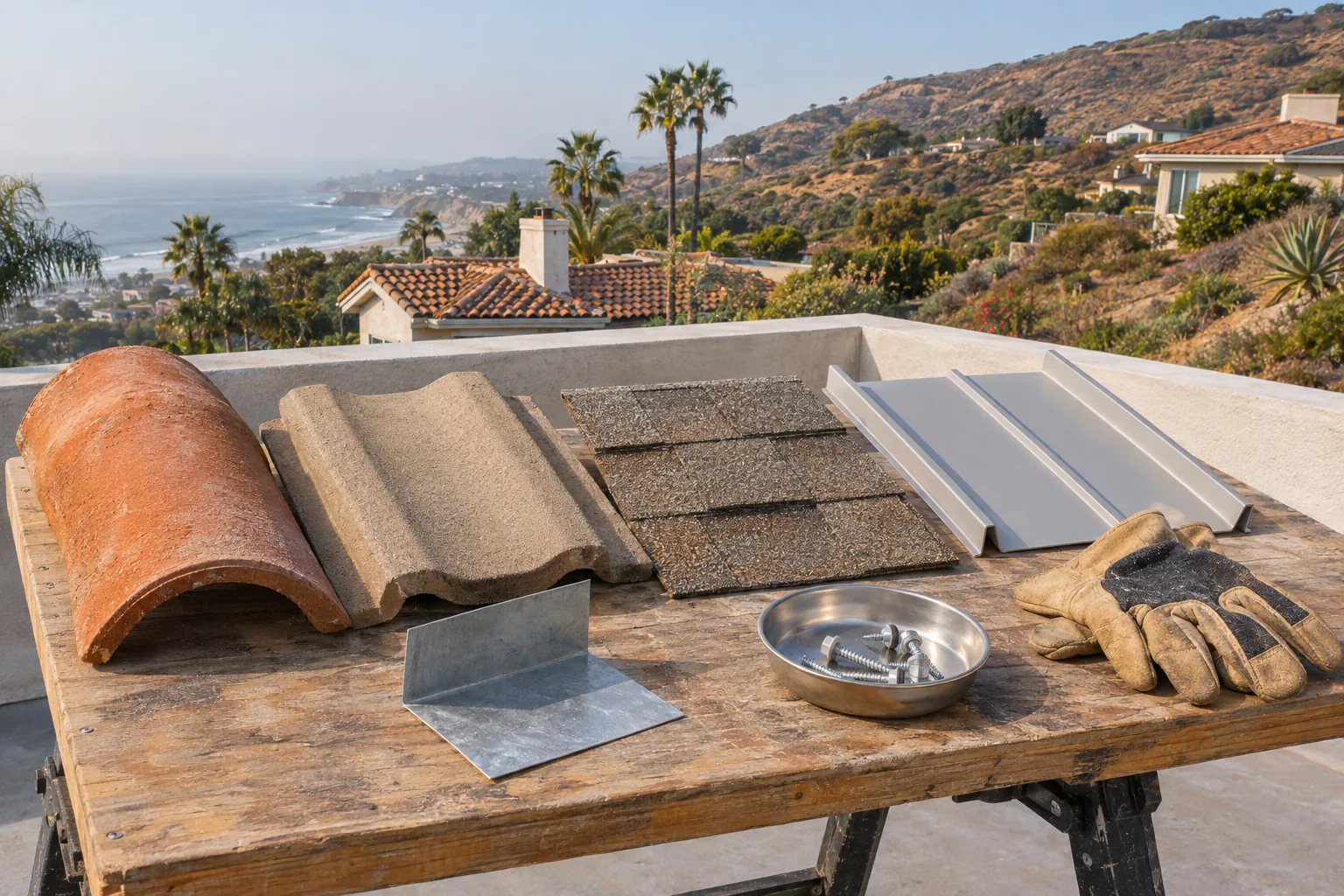
9. Roofing Materials Comparison: Lifespan and Applications
| Roofing Type | Approximate Service Life | Ideal Application |
| Clay tile | 50–100+ years | Mediterranean-style homes |
| Concrete tile | 40–60+ years | Traditional residential roofs |
| Asphalt shingles | 15–30 years | Budget-conscious homeowners |
| TPO membrane | 15–25 years | Flat commercial roofs |
| Modified bitumen | 15–25 years | Low-slope roofing |
| Metal roofing | 40–60+ years | Residential and commercial buildings |
These ranges are general planning estimates, not guarantees. Roof slope, materials, climate exposure, maintenance, and installation quality affect actual performance.
10. Roofing Requirements and Installation Considerations
Before selecting a roof, property owners should evaluate structural capacity, drainage, underlayment, flashing, ventilation, and applicable building regulations.
San Diego's roof fire-classification standards generally require at least a Class A roof covering for new structures and additions, subject to specified exceptions and additional requirements.
A Class A rating applies to a tested roof covering or assembly, not simply the appearance or composition of an individual product.
Low-slope roofs also require properly designed drainage. Even high-performance membranes can experience premature deterioration when water accumulates around penetrations, seams, or poorly positioned drains.
For tile installations, evaluating the roof structure and waterproofing underlayment is particularly important.
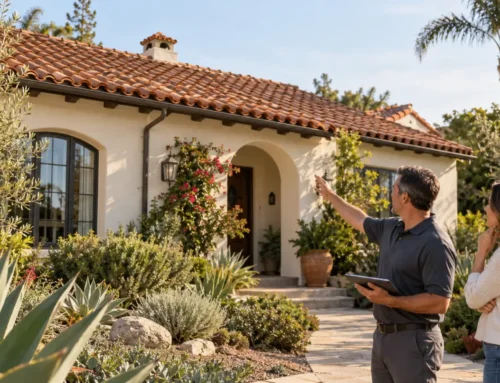
A professional roofing assessment should establish whether the existing deck can support the proposed material and whether ventilation, insulation, or drainage improvements are necessary.
Conclusion
Selecting the best roof type in San Diego depends on architectural design, roof slope, proximity to the ocean, heat exposure, wildfire risk, and long-term ownership costs. Clay and concrete tiles provide outstanding architectural compatibility and durability, asphalt shingles offer economical residential protection, and TPO or modified bitumen systems serve low-slope buildings. Metal and cool-rated roofing products provide additional options for efficiency and longevity. At San Diego County Roofing & Solar, we help property owners evaluate these factors and choose roofing systems designed for Southern California conditions, reliable performance, and lasting property protection.
Frequently Asked Questions About Roof Types in San Diego
1. What is the best type of roof for a house in San Diego?
Concrete and clay tile roofs are excellent long-term options for many San Diego homes because of their durability, weather resistance, and architectural compatibility. However, architectural asphalt shingles may be more economical, while reflective metal roofing can provide additional energy-efficiency advantages. The best choice depends on structural capacity, location, budget, and roof design.
2. How long do roofs typically last in San Diego, California?
Asphalt shingles commonly last approximately 15–30 years, while properly maintained concrete and clay tile coverings may last 40–100 years or longer. TPO and modified bitumen systems generally provide around 15–25 years of service, while metal roofs may exceed 40 years. Intense sunlight, coastal corrosion, installation quality, and maintenance influence these estimates.
3. Are cool roofs worth installing in San Diego?
Cool roofs can be worthwhile, especially for properties experiencing significant summer heat and air-conditioning demand. Reflective roofing materials reduce solar heat absorption and may improve indoor comfort and cooling efficiency. Actual savings depend on insulation, roof configuration, local climate, and building operation. California's energy-efficiency requirements should also be evaluated before selecting a roofing product.